Higher fuel prices are starting to feed through into more expensive travel and transport across Europe. Airlines, logistics firms and road operators are feeling the pressure as tensions in the Middle East disrupt energy markets. EU transport ministers are calling for a coordinated EU response.
EU transport ministers warned that rising fuel prices and pressure on supply chains are already hitting Europe’s transport sector. They called for coordinated action at EU level, saying aviation and road transport are particularly exposed.
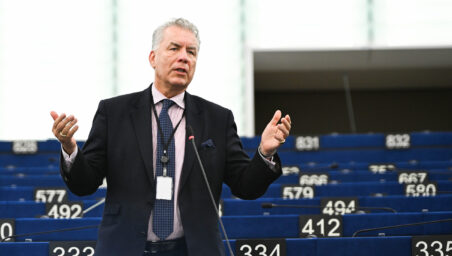
Alexis Vafiadis, Cyprus’ Minister of Transport, pointed out that disruption of major energy routes such as through the Strait of Hormuz was pushing up prices and creating uncertainty in the market․ “They are already affecting the European transport sector through rising fuel prices, increased volatility and growing pressure on supply chains,” he said.
Fuel shock extends to transport sector
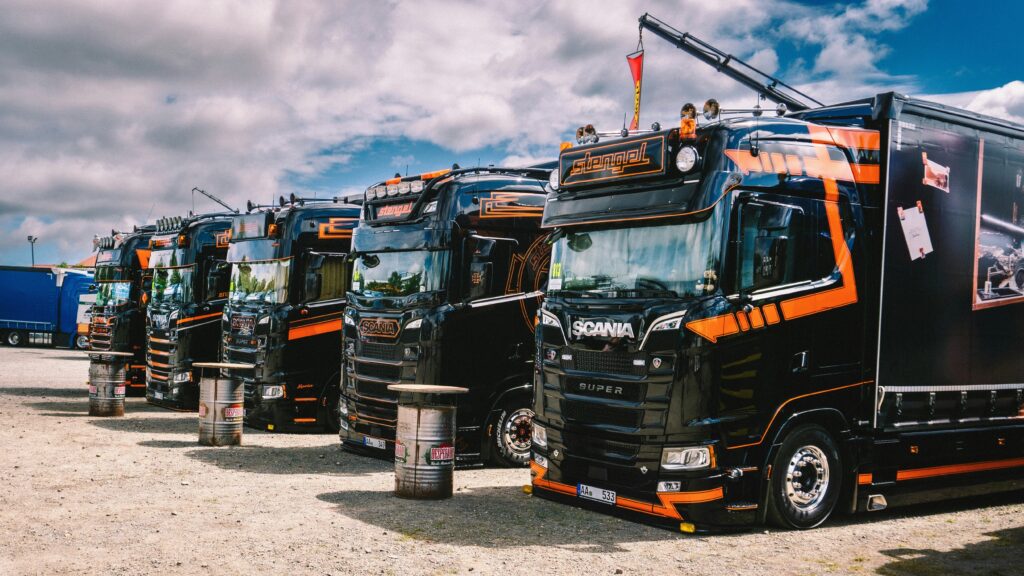
The crisis is being felt across all forms of transport‚ but impacts are not uniform. As the fuel prices have risen‚ especially for jet fuel and diesel‚ so have operating costs and logistical problems. The pressure on both businesses and consumers has increased․
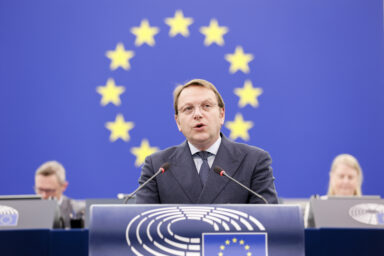
From day one‚ this crisis has hit transport hard. Jet fuel prices have more than doubled. — Apostolos Tzitzikostas, Commissioner for Sustainable Transport and Tourism
Escalating conflict in the Middle East is disrupting key global energy routes and creating uncertainty in supply flows. The Strait of Hormuz is an important global energy thoroughfare.
The EU imports approximately seven per cent of its crude oil through the Strait. An even larger share of refined oil products are imported from the region․
Although fuel supplies are not immediately at risk‚ the biggest challenge is the unpredictable price swings‚ particularly affecting businesses on tight margins.
Aviation as most vulnerable
Among all sectors‚ aviation is facing the most immediate pressures․ Airlines already responded to the crisis by cutting unprofitable routes. However, Apostolos Tzitzikostas, Commissioner for Sustainable Transport and Tourism, stressed that these cancellations were due to financial rather than supply concerns.
“From day one‚ this crisis has hit transport hard․ Jet fuel prices have more than doubled‚ and this is putting massive pressure on operators,” he said. In spite of these tighter markets‚ the commissioner said there was no evidence of actual fuel shortages. Europe produces about 70 per cent of its jet fuel within its borders, he noted․
A coordinated response
The ministers shared the opinion that the EU should act together to prevent fragmentation of the internal market. “National action may lead to competition distortion and a fragmented EU response,” Mr Vafiadis said.
The EU may consider temporary, sector-specific measures to meet the needs of aviation, including state aid, tax exemptions and regulatory flexibility. Officials stressed that any action must be proportionate and well coordinated across member states.
The European Commission will put forward an energy toolbox‚ to reduce rising energy prices and the risk of fuel supply disruptions‚ and to keep transport networks and supply chains open․
Monitoring fuel
As part of its response, the Commission plans to step up monitoring of fuel markets. Mr Tzitzikostas announced there would be a new fuel observatory. It would monitor supply on the market‚ starting with jet fuel․ The EU is also looking for alternative fuel sources‚ including the United States‚ to secure supply and help ease the market․
At this stage‚ the market is managing the pressure‚ but we need to be prepared․ — Apostolos Tzitzikostas, Commissioner for Sustainable Transport and Tourism
“We are monitoring the situation very closely. At this stage‚ the market is managing the pressure‚ but we need to be prepared․” the commissioner said. The Commission has asked whether minimum stock requirements for aviation fuel should be introduced in the future․
Push for energy transition
Beyond short-term measures‚ the crisis is reinforcing long-term EU objectives to reduce fossil fuel reliance. Both the ministers and the Commission stressed the need to accelerate the electrification of road transport and the development of sustainable aviation and maritime fuels.
“This transition is not only about the protection of the environment‚” Mr Tzitzikostas said․ “Our calculated autonomy depends on it․”
Stability for now‚ uncertainty ahead
Ministers said Europe’s fuel supply remains stable for now, with a focus on managing economic risks, maintaining transport connectivity and preventing further disruption from escalating. Policymakers face the challenge of balancing the need for emergency action to address this immediate crisis without weakening the EU’s long-term climate and energy goals․
With the situation in the Middle East continuing to evolve‚ the coming weeks will be a test of how quickly and how united Europe can respond.