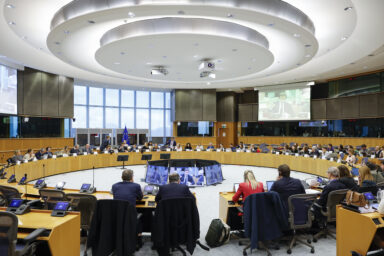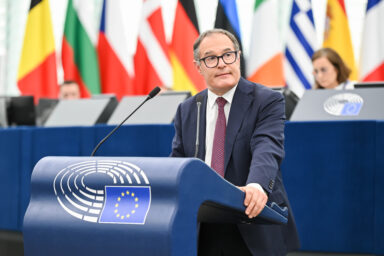

European consumers could face higher food prices within months as the Middle East conflict drives up fuel and fertiliser costs for farmers. Instead of focusing on solutions, MEPs spent much of the agriculture committee debate trading accusations over US president Donald Trump. Committee chair Daniel Buda had to intervene to bring the discussion back on track.
The agriculture committee had been called to address a pressing economic question: how to protect European farmers from surging input costs triggered by the Middle East conflict. It did not quite go to plan․
Prices surge‚ pressure builds
The European Commission told MEPs that crude oil prices have risen 54 per cent since early March, gas prices by 59 per cent, and fertiliser prices by between 20 and 50 per cent. Those increases are feeding directly into farm production costs — fuel and fertilisers alone account for up to a third of what farmers spend. Higher food prices for consumers, the Commission warned, could follow within three to six months. Fertiliser supply for this spring’s planting season looks relatively secure — though uncertainty remains high for 2027.
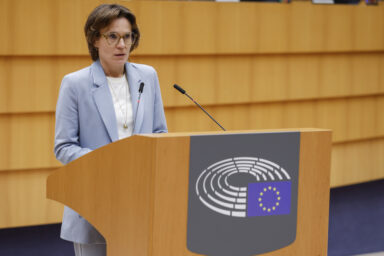
The discussion quickly shifted to causes. Socialist MEP Cristina Maestre (S&D/ESP) said that, once again, ordinary people and farmers were paying the price for geopolitical conflict while others profited.
Trump takes the blame
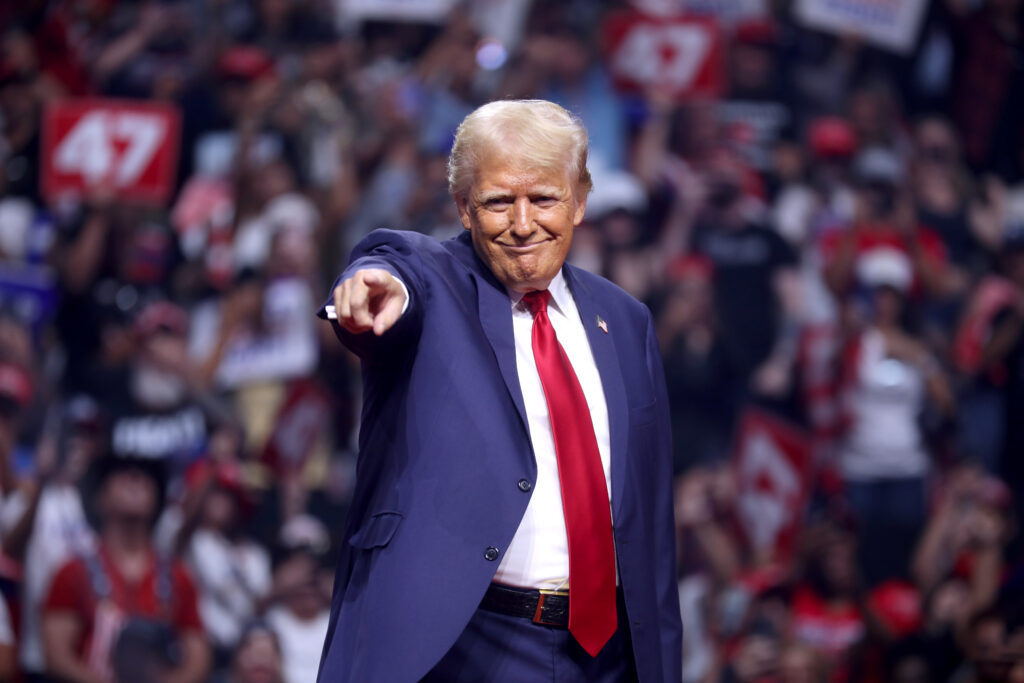
“Trump is lining his pockets because of this war,” Maestre told the committee. Her remarks were an open invitation to political attacks — and MEPs took it. Luke Ming Flanagan (The Left/IRL) went further, arguing that the crisis came down to one word: Trump. He accused the US president of provoking the conflict to distract from personal controversies, and called on American legislators to “impeach, impeach, impeach.”
Buda stepped in immediately. Comments about Trump were “perhaps not of interest” in a committee focused on agricultural policy, he said — while stopping short of denying MEPs their right to free speech.
You might be interested
Geopolitics hijacks the debate
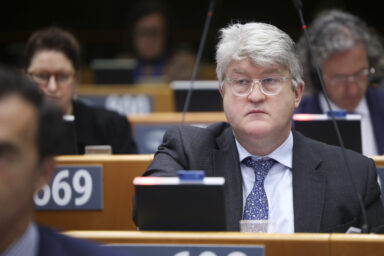
Buda’s intervention did little to stem the tide. Ivan David (ESN/CZE) argued that the committee could not ignore geopolitical causes, questioning whether the US could still be considered a reliable partner.
Dario Nardella (S&D/ITA) went further, accusing Trump of deliberately escalating the situation in the Gulf to distract from domestic troubles. “Europeans are now paying the price,” he said, “in higher fuel and food costs.”
If we react too late, it will be too late.
—Daniel Buda, EPP
Buda himself warned that the political back-and-forth was eating into precious time. “If we react too late, it will be too late,” he told the committee, urging MEPs to focus on the spring sowing season still ahead.
Farmers wait, Commission plans
Despite the political divisions, MEPs were united on one point: farmers need help now. Several called for action on market speculation, import shortages, and Europe’s deep dependence on external suppliers for key agricultural inputs.
The Commission has already introduced tariff-free quotas for some fertiliser imports and is preparing a broader fertiliser action plan, due in early May. It aims to cut import reliance, boost domestic supply, and promote low-carbon alternatives.
But there was no announcement of emergency measures. The Commission’s response, officials said, would take a “holistic” approach — balancing immediate relief with longer-term structural change. For farmers watching input costs climb through the spring sowing season, that may feel like cold comfort.
Politics over policy
What began as a discussion of input costs ended as a proxy war over Donald Trump. Buda fought to keep the debate on track — and largely failed. For European farmers watching fuel and fertiliser bills climb, help is coming. Eventually.