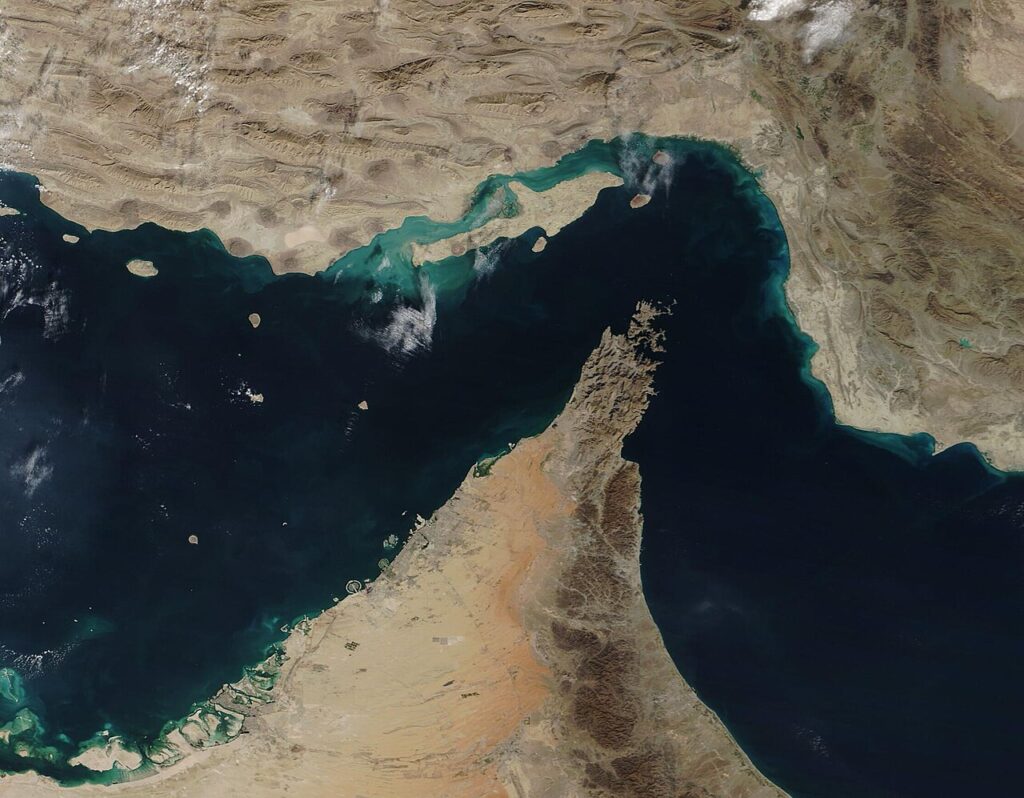

Iran has until midnight tonight. Trump threatened to destroy every bridge and power plant in the country if Tehran does not reopen the Strait of Hormuz. Tehran’s answer so far: no — and the only ceasefire proposal on the table collapsed before the deadline even arrived. The EU condemned the threats, but was nowhere near the negotiating table.
“If the Strait of Hormuz is not opened, I will have no choice but to do things that will be catastrophic,” US President Donald Trump wrote on Truth Social. He threatened to destroy “every bridge and power plant” in Iran by midnight tonight. Tehran’s response was unambiguous: the Revolutionary Guards warned they would strike beyond the Middle East if the United States crosses a “red line.”
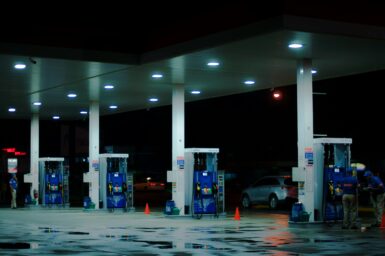
The consequences for global energy markets are already severe. Brent crude has risen to around $119 per barrel, up from $70 before the conflict. Gas prices in the EU are up 70 per cent. The strait carries roughly 11 million barrels of oil per day — a significant share of Europe’s supply. Energy ministers across the bloc are already discussing demand reduction.
Pakistan had tried to broker a way out. Together with Egypt and Turkey, it put forward the Islamabad Accord: an immediate ceasefire, the reopening of the strait, and 15 to 20 days of broader talks. Both Washington and Tehran rejected it. Iran insists on a permanent end to the war, compensation for war damages, and the right to charge tolls on ships passing through the strait. Trump wants the strait open — and says the war goes on until he gets a deal that suits him.
You might be interested
Operation Epic Fury
The conflict began on 28 February, when the United States and Israel launched Operation Epic Fury, targeting Iranian military and nuclear sites. Supreme Leader Khamenei was killed. Iran retaliated — and closed the strait.
The IRGC formally announced the closure on 27 March. Since then, traffic has dropped sharply — though transits crept up slightly to 16 vessels on 1 April amid early negotiation signals.
Iran’s conditions for reopening the strait are steep. Tehran wants a permanent end to the war, not a temporary ceasefire. It is demanding compensation for war damages and the right to charge tolls on vessels passing through. On Monday, a senior Iranian official told Reuters that any deal must also include guarantees that attacks will not resume.
Where is the EU?
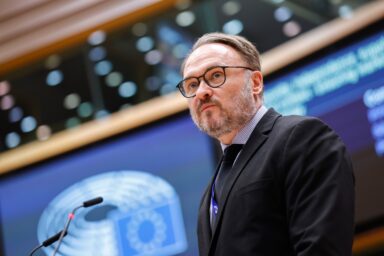
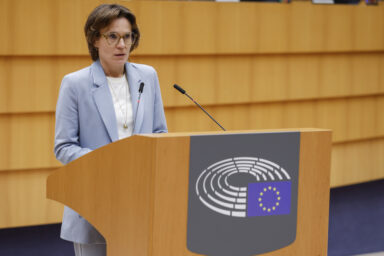
The EU’s position was clear at Monday’s midday briefing — and limited. Spokesperson Anita Hipper rejected threats against civilian infrastructure and called for restraint and respect for international humanitarian law. High Representative Kaja Kallas has been consulting governments across the region and backing a UN humanitarian corridor in the strait for food and fertiliser shipments.
But the EU is not in the room where it matters. The ceasefire proposal that collapsed on Monday came from Pakistan, Egypt, and Turkey. The UK has also taken independent steps. Over 40 countries, including the EU, have formed a coalition for secure navigation — but coalition membership is not the same as a seat at the table.
The EU calls for maximum restraint, the protection of civilians and civilian infrastructure, and full respect of international law and international humanitarian law by all parties.
—Anita Hipper, European Commission spokesperson
For Brussels, the stakes are not only diplomatic. The EU has extended sanctions on Iran until April 2027 and Kallas continues her diplomatic rounds. But calling for “maximum restraint” and a “seat at the table” are two very different things — and right now, Brussels has only one of them.