The European Commission is preparing to unveil a major overhaul of the EU’s medical device rules on 16 December, with officials promising “interesting reading” before Christmas as Brussels moves to correct what it now sees as an overly complex and unevenly applied framework.
The targeted revision of the Medical Devices Regulation (MDR) and the In Vitro Diagnostic Regulation (IVDR) forms part of a wider end-of-year health package that also includes the EU Cardiovascular Plan and the first phase of the Biotech Act, a combination that signals the Commission’s intent to reset Europe’s health and life-science policy for 2026.
The medical device “simplification package” will amend the MDR and IVDR both. It aims to streamline certification procedures, cut administrative requirements and create lighter pathways for legacy products and very low-volume, high-need devices, often called “orphan devices”, which serve small patient groups such as rare-disease or paediatric patients. The commission does not plan an impact assessment for this targeted revision.
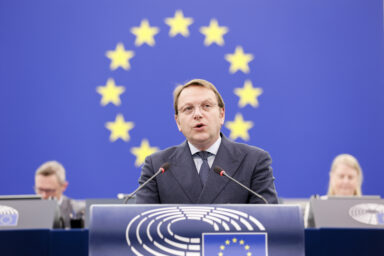
Commissioner Olivér Várhelyi has framed the reform as essential to Europe’s competitiveness. “Health systems are unimaginable without a robust medical devices sector. And the current legislative framework makes our medtech industry weaker and weaker,” he told the European Social Insurance Platform in October.
Health systems are unimaginable without a robust medical devices sector. – Health Commissioner Olivér Várhelyi
Unintended effects and uneven implementation
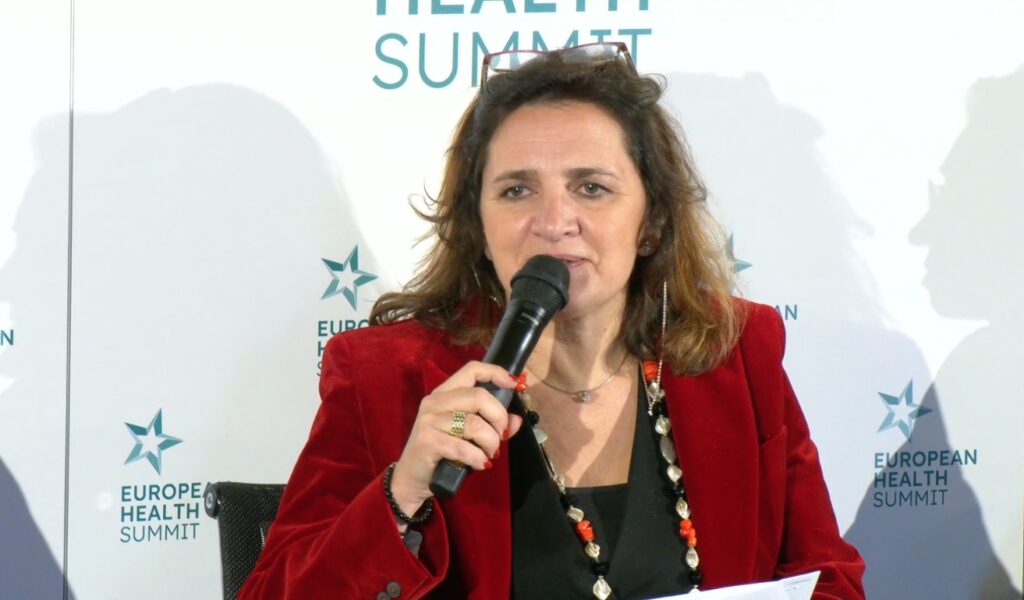
Flora Giorgio, Head of Unit for Medical Devices at DG SANTE, said the Commission’s evaluation found that the MDR and IVDR, created to strengthen patient safety, have produced several “unintended effects” that now require correction. “The requirements were maybe too complex, that have been lengthy, and in some cases not applied in the same way,” she said at the European Health Summit on 2 December. Divergent interpretations across authorities and notified bodies have led to duplication, inefficiencies and uneven implementation.
Ms Giorgio stressed that the difficulties stem from the demands of the framework itself. “It’s a framework that is very ambitious, but will also require an important technical and scientific support… All this requires a strong scientific base and important resources.” A lack of scientific capacity across authorities and manufacturers fuels delays, backlogs and inconsistent enforcement. She also pointed to a gap that has shaped the debate for years: Europe lacks a pathway for breakthrough devices. “Europe is one of the few jurisdictions that do not recognise this specificity.”
A pilot for breakthrough technologies is set to begin next year. Ms Giorgio said the December proposal will follow three principles: proportionality, predictability and patient safety. Innovation remains a core part of that. “Only innovative devices can support… the high level of patient care that European patient enjoys,” she confirms.
Industry reports shrinking portfolios
Manufacturers say the MDR and IVDR have already transformed their product portfolios. During a debate at the European Health Summit, Siemens Healthineers’ Holger Schmidt described the cost of compliance under the IVDR. “We took about 20 per cent of our IVDR portfolio off the market because it was financially not feasible to continue,” he says. He adds that engineers now spend large parts of their time on documentation instead of development. “They are not inventing great new stuff… They are writing documents.”
Mr Schmidt warns that companies must navigate a patchwork of overlapping rules — MDR/IVDR, the AI Act, the European Health Data Space Regulation, GDPR and the Data Act. These frameworks often use different definitions and create parallel, sometimes conflicting obligations. Rather than stacking new rules on top of the MDR, he called for consolidation. “One regulation to follow… We have endless discussions which are not creating benefit.” He also offered a clear benchmark for success: “Let’s cut documentation by 50 per cent, let’s cut review times by 50 per cent.” The concerns he raises echo across the sector, particularly among smaller companies.
We took about 20% of our IVDR portfolio off the market because it was financially not feasible to continue. – Holger Schmidt, Siemens Healthineers
Start-ups face sharper pressures
For early-stage firms, the environment is even harder. Magali Boers of Luxembourg’s Ministry of Economy said innovators face a steep challenge. “You need to be quite brave and courageous in Europe to dare to want to develop a product and to get it there.”
She noted that the combination of MDR requirements, digital legislation and data obligations can overwhelm small firms. “Even regulators can get lost.”
She added that evaluation bodies also lack specialised expertise. “It’s maybe also a lack of expertise… They need to have a counterpart also there on the evaluation side.”
Many start-ups now ask a difficult question: “Can I get my product quick enough to the market in Europe, or should I look elsewhere?”
Clinicians call for clarity and coordinated evidence
Clinicians face their own challenges. Loredana Simulescu of the Biomedical Alliance said they struggle to understand the evidence behind device approvals. “These horizontal regulations are heavy and complex… we need to work together to avoid duplication.” She explained that key documents such as Clinical Evaluation Consultation Procedures (CCPs) are dense and written in regulatory language, not clinical terms. “We have these CCPs… They are written in a very regulatory language.” Clinicians need clear summaries that explain the evidence supporting device approvals. “Our advice would be to have a summary of evidence.”
Ms Simulescu also said Europe lacks coordinated scientific advice for developers, unlike the US. While the FDA offers structured, early guidance on trial design and evidence expectations, EU companies must navigate fragmented advice from national authorities, notified bodies and expert panels. “The EU system needs to break the silos… and coordinate clinical evidence on an EU basis.”
Reducing burden and tightening timelines
Ms Giorgio said the December package will introduce concrete measures to cut unnecessary paperwork and streamline routine reporting. She highlighted cases where notified bodies interpreted requirements too rigidly.“ A certain report has to be provided at least once a year… and in some notified bodies that translated in four reports a year for… a product that has no signal in market.” The revision will move these obligations to a risk-based, needs-driven model, especially for low- and medium-risk devices. Ms Giorgio also said the Commission will set clearer, more predictable certification deadlines. “Timelines… will go very close to the American system.”
Digitalisation and international alignment form part of the reform too. She confirmed that the long-awaited EUDAMED database will soon become mandatory. EUDAMED is the EU’s central database for medical devices that will track manufacturers, certifications, vigilance data and clinical investigations. “EUDAMED is the cornerstone… it will come mandatory in six months from today.”
A decisive moment for Europe’s device ecosystem
Industry groups, including MedTech Europe, have asked the Commission to match the December package with short-term relief measures. They broadly welcome the direction of travel. The December health package will shape 2026 across cardiovascular health, biotechnology and medical technologies. For device makers, the MDR/IVDR revision will test whether Brussels can reduce bureaucracy without weakening patient safety, and whether Europe remains a viable place to develop and launch new medical technologies.