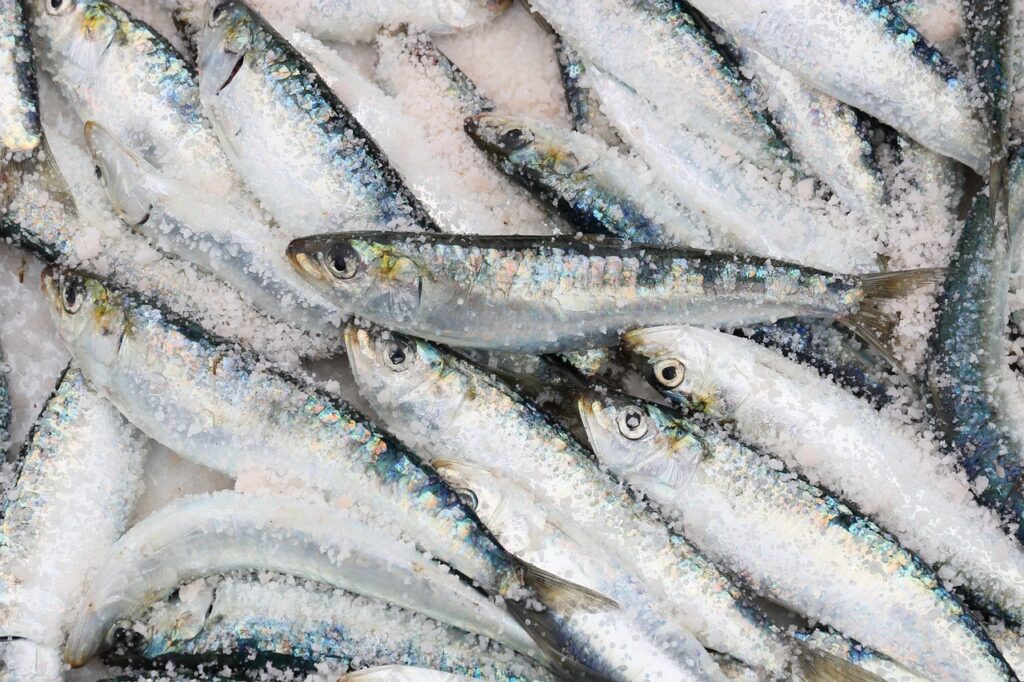
Europe’s fisheries and aquaculture sectors face a critical juncture. Pressure on fish stocks, climate change, and the urgent need to decarbonise fleets create both opportunities and risks for sustainable, resilient, and economically viable fisheries. Funding gaps, weak enforcement, and aquaculture’s growing role raise the stakes.
Against this backdrop, the Agriculture and Fisheries Council (AGRIFISH) met for the last time under the Danish Presidency on 12 December 2025 to debate the 2028–2034 Multiannual Financial Framework (MFF) and its implications for the Common Fisheries Policy (CFP). Ministers, other national representatives, and experts highlighted how financial, environmental, and operational decisions interconnect, shaping food security, coastal economies, and EU policy coherence.
Funding for the future
Predictable, transparent, and ambitious funding remains essential for the CFP. Spain’s Luis Planas Puchades warned, “Identity — we don’t find enough identification of means and objectives. Quantity — two billion euros are set out, but at the current level, it could be six. Considering the CFP content and future aims like fleet decarbonisation, we need to be more ambitious.”
Italy’s fisheries minister, Francesco Lollobrigida, added, “Future regulation must ensure visibility and reliable resources for core CFP activities, especially data collection and control. Aquaculture needs stronger priority with clear rules to support investment and innovation.”
Lithuania’s Minister of Agriculture, Andreas Paliounis, called for stability: ‘Funding for fisheries must be increased with a clear, stable reserve.The proposed regulations lack consistency between eligible interventions and Commission explanations.”
Participants emphasised that financial security supports sustainability. Sweden’s Peter Kullgren said, “Support for CFP should foster a sustainable and resilient blue value chain. We welcome the focus on competitiveness of small-scale fisheries and emphasise adequate support for effective EU fisheries control and data collection.”
France’s Catherine Chabaud, a former MEP and renowned expert in fisheries, ocean conservation, and sustainable maritime policy, meanwhile, framed the broader challenge: “We need a budget matching Europe’s ambitions and oceans diplomacy… We need to decarbonise fleets, protect biodiversity, modernise techniques, and fight IUU fishing (ed. note: illegal, unreported, unregulated). Sector regulations must reflect the political lines of the legislator and not conflict with other frameworks like the WTO.”
Other member states also highlighted priorities for funding clarity, sustainability, and coherent regulation.
Aquaculture: A food security engine
Aquaculture emerged as a key lever for sustainable food supply and regional economic stability. Romania highlighted its potential to reduce pressure on wild stocks and urged simplified financial and administrative support for small fleets and new technologies. Austria noted that EU co-financed programmes have significantly boosted aquaculture production, and future frameworks must continue targeted investments while safeguarding allocations for smaller member states.
We need to decarbonise fleets, protect biodiversity, modernise techniques, and fight IUU fishing. – Catherine Chabaud, expert on fisheries, ocean conservation, and sustainable maritime policy
Data collection and enforcement remain central. Ireland’s Tim Dooley flagged the lack of ring-fenced funding for monitoring, fisheries control, and enforcement. Slovenia’s Minister of Agriculture Mateja Čalušić underlined operational challenges, including financing for the revised control regulation and support for small-scale coastal fishing, aquaculture, coastal communities, and processing industries. Financial support, regulatory clarity, and operational capacity are tightly linked; weaknesses in any area threaten effective CFP implementation.
Flexibility, modernisation, resilience
Attendees stressed that funding flexibility must not undermine legal certainty. Germany noted that reducing administrative burdens while supporting sector transformation, energy transition, and generational renewal is crucial, but key rules must remain anchored in the regulatory framework. Portugal suggested a single financial tool to meet CFP obligations while supporting fleet renovation, decarbonisation, and aquaculture investment.
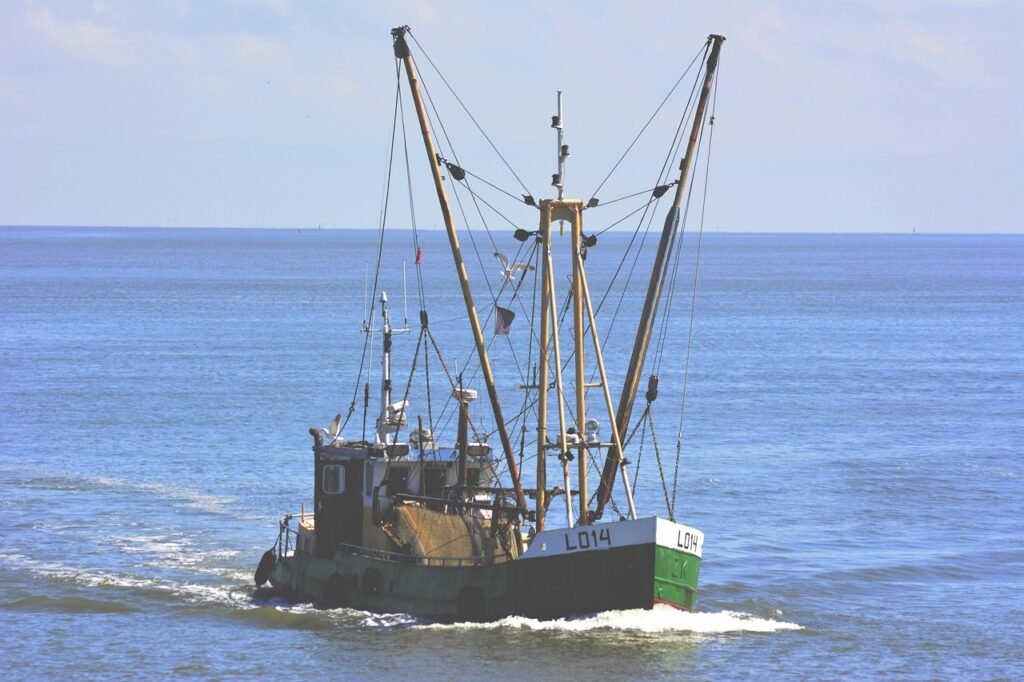
Fleet modernisation and decarbonisation dominated the discussion. The Netherlands highlighted support for fleet construction and re-engineering, stressing the “do no significant harm” principle alongside statutory CFP tasks. Belgium emphasised energy efficiency, modernisation, and innovation. Representatives agreed that long-term sustainability depends on modern, energy-efficient fleets and robust financial planning.
Fewer overlaps
Other countries underlined the importance of integrating CFP financing with broader maritime policy without creating overlaps. The chair, Denmark’s Jacob Jensen, noted that adequate support and CFP implementation visibility must be ensured while respecting the European Ocean Pact. Finland clarified that maritime policy and ocean-pact activities should fall solely under the NRP regulation to avoid complications. Coordinated governance frameworks are essential to balance sectoral priorities with overarching EU maritime goals.
Ultimately, ministers collectively underscored the interconnected nature of funding, sustainability, aquaculture, enforcement, fleet modernisation, and regulatory clarity. Decisions in one area influence the rest. The Council’s debate shows that achieving a resilient, competitive, and environmentally responsible fisheries sector demands holistic policy design, sufficient resources, and operational certainty. The Council discussions highlight both the complexity of EU fisheries governance and the high stakes for the sector’s future sustainability and contribution to food security.