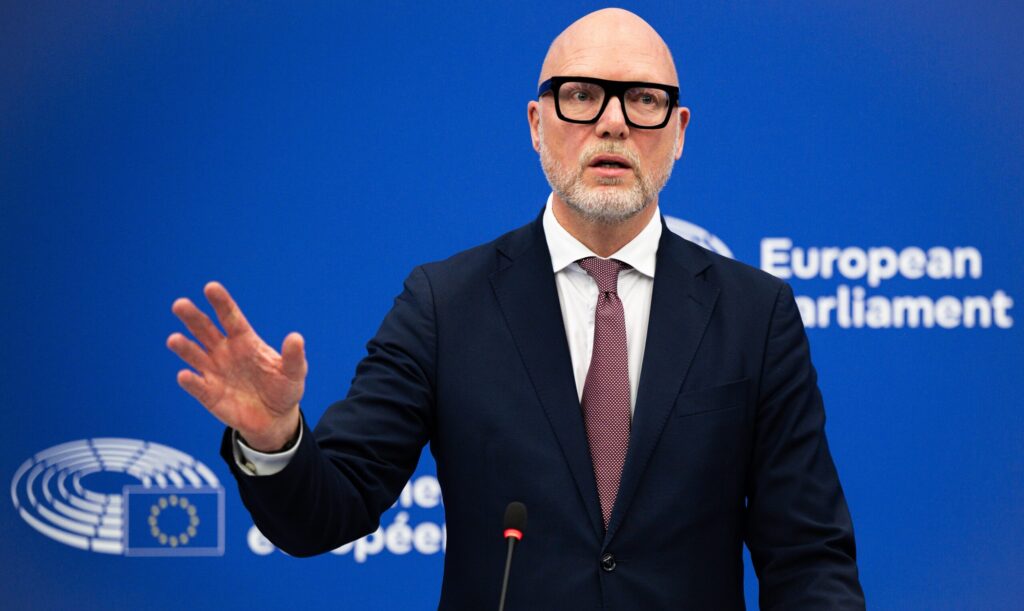
Automakers and energy companies heave a sigh of relief as EU lawmakers lift the harshest obligations heaped on entrepreneurs. On December 16th MEPs endorsed, by 428 votes to 218, a provisional deal with member states that pares back some of the self-inflicted damage the bloc did by introducing the green and social paperwork.
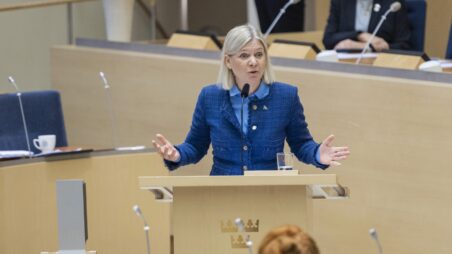
The changes sit inside the Commission’s Omnibus One package, billed as a way to make life easier for Europe’s companies without watering down the bloc’s climate and labour goals. MEP Jörgen Warborn (EPP/SWE), the file’s rapporteur, called the result “historic cost reductions while keeping Europe’s sustainability goals on track”.
The directive now asks only companies with more than 1,000 staff and €450m in annual EU turnover to file social-and-environmental reports. That covers sprawling multinationals but spares most medium-sized manufacturers, retailers and tech outfits. Non-EU firms with the same turnover in the single market also fall under the rules, along with subsidiaries or branches churning out at least €200m in sales.
Predictability matters
Smaller suppliers will no longer scramble for thousands of data points to feed their giant customers. The text blocks big firms from off-loading reporting chores onto partners with fewer than 1,000 workers.
Parliament’s green flank grumbled, yet the majority judged the bargain acceptable. Sector-specific disclosures shift from mandatory to voluntary. A new digital portal will offer templates and guidance in every EU language. Mr Warborn told journalists, “We deliver predictability to businesses. These are historic cost reductions when it comes to reporting.”
A leaner yardstick
Companies complain about duplicative questionnaires and diverging national checklists. The portal should cut repetition and charm finance chiefs who see sustainability files as an ever-moving target.
Harder rules remain for giants. The due-diligence part of the directive—formally the Corporate Sustainability Due Diligence Directive, or CSDD—now bites only when head-counts top 5,000 and worldwide turnover clears €1.5bn. That threshold delighted automotive and energy groups that lobbied for relief. It enraged campaigners who wanted the bar set lower. But the political centre decided that an economy struggling with anaemic growth could not shoulder extra red tape.
These huge firms must still scan their supply chains for forced labour, toxic dumping or land grabs. Yet the scope of the screening changed. Article 8, the most fought-over clause, explains the steps companies must take once they spot a risk. Parliament demanded a “risk-based approach”—focus on the nastiest threats first, rather than tick every box for every supplier.
A broader majority
Several governments worried that vague language would let laggards off the hook. Bargaining dragged on through three late-night trilogues. In the end negotiators kept the risk-based wording while tightening deadlines and adding an explicit link between risk level and depth of checks. Mr Warborn beamed, “We worked on the basis of the Parliament’s position and ended up with very good results when it comes to Article 8.”
Climate transition plans, once touted as a pillar of the CSDD, disappeared. Both chambers agreed to delete them. Corporate lawyers no longer have to draft intricate blueprints for reaching net-zero. National authorities may still fine firms up to thre per cent of global turnover if they flout the remaining duties. But critics note that getting regulators to act will prove harder without clear benchmarks on decarbonisation.
The vote exposed a fissure on the left. Most Socialists joined greens and far-left deputies in voting against. Yet fourteen Socialist MEPs broke ranks and backed the deal. Mr Warborn counted the numbers with glee. “There were three groups that could not support the outcome,” he said. “All the other five groups supported this agreement…418 colleagues supported the deal in the end.” Industry lobbies had warned of a backlash if Parliament tweaked the compromise at the eleventh hour, so party whips told wavering backbenchers to fall in line.
Concflict of interests?
Outside the chamber, NGOs tried another tack. Ten civil-society outfits, including Transparency International, accused Mr Warborn of a conflict of interest because he also chairs SME Europe, a business-friendly offshoot of the European People’s Party. They wrote to Parliament’s ethics committee the day before the vote. Mr Warborn rejected the charge, calling it “politically motivated”. Much of what is said in the parliament is politically motivated. It may appear a less than shocking state of affairs, given the institution is designed to house political speech, but Mr Warborn used it as shorthand for „unfair“.
Corporate treasurers could hardly care less about political squabbles. They focus on the timetable. The revamped reporting rules land first: the directive enters force twenty days after publication in the Official Journal, and most obligations start in the 2027 financial year. Due-diligence checks kick in only on July 26th 2029.
This is the first step to deliver on growth in Europe. We need a lot of things. We need more simplification. We need a better internal market. — MEP Jörgen Warborn (EPP/SWE)
That four-year gap gives boards time to overhaul procurement contracts, train auditors and line up legal defences. Smaller suppliers, freed from reporting, still face questionnaires from multinationals anxious about brand risk. The directive tries to limit that urge, but market power often trumps lawmakers’ intent.
Real-world impact
In practical terms, a fashion house with 4,500 staff escapes the due-diligence net; its rival with 10,000 workers does not. The former must map its cotton chain from field to factory, gauge any forced-labour hazard and act if danger proves “severe”. It can request data from a small Tunisian dye-house only when no other source exists. That caveat matters: big buyers often bombard tiny suppliers with form-filling requests. Compliance advisers estimate that the narrower scope slashes reporting costs by billions of euros, though exact savings depend on how national watchdogs interpret Article 8.
Mr Warborn insists the balance works. “We need a lot of things. We need more simplification. We need a better internal market,” he said after the vote. “This is the first step to deliver on growth in Europe.”
Green groups counter that the step is backwards. They fear that ditching transition plans lets heavy emitters dodge a Paris-aligned pathway. Parliament’s Greens argue the cost cuts favour shareholders at the expense of residents breathing polluted air. Still, the Council looks set to wave the package through. Member states’ diplomats signalled support during negotiations. Formal approval may slip into an agenda of any upcoming ministers’ meeting.
Next on the docket
The Omnibus One package contains other tweaks. Digitised customs forms and shorter approval lines for renewable-power projects will surface in early 2026 proposals. Mr Warborn vows to keep pruning. “We need to address all the free-trade agreements we have negotiated and conclude them, not least Mercosur,” he said, linking market openness to paperwork relief.
European business federations cheer. They argue that Brussels spent a decade piling on obligations while America and China let firms experiment. If the bloc wants to claw back growth, they say, it must take weight off entrepreneurs.
Parliament’s decision might not thrill climate activists, yet it marks a rare show of legislative restraint. Europe still leads in setting green rules, but it now admits that good intentions can burden firms already squeezed by high energy prices and geopolitical shocks. The revamped directive offers slow relief and clear thresholds. Whether that spurs investment—or simply delays harder decisions—will become clear only after 2029.