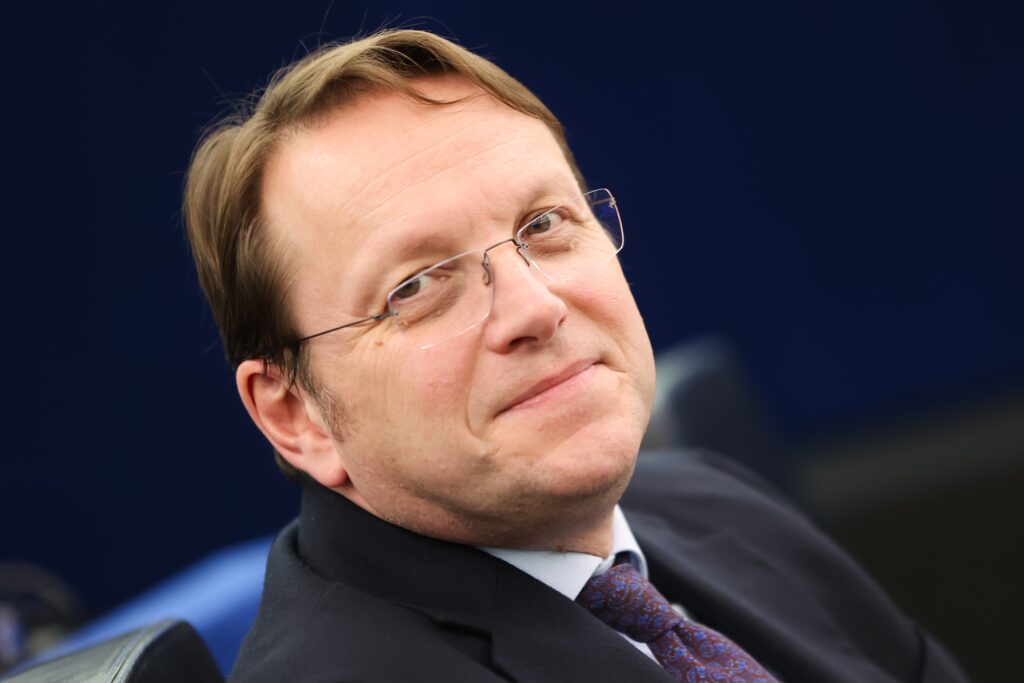
Cardiovascular disease remains Europe’s biggest killer, writes EU Health Commissioner Olivér Várhelyi in an op-ed piece. “The numbers are alarming,“ he argues. What is truly unacceptable to him is that four out of five such deaths could be avoided.
Europe’s health boss wants people to learn three simple figures: their blood pressure, cholesterol and blood-sugar levels. In an op-ed published this week Olivér Várhelyi, the EU’s health commissioner, warned that “these silent conditions can go undetected for years, progressing quietly until the first symptom is a heart attack or a stroke and at this stage it is already too late.” His remedy is the new Safe Hearts Plan, a shift “from reacting to cardiovascular diseases to preventing it”.
Mr Várhelyi argues that national systems still revolve around ambulances and operating theatres. “For too long, our health systems have been structured around emergency response rather than early action,” he writes. Safe Hearts, he insists, will put “prevention, routine checks, and early detection at the centre of our care”. The goal is to make “simple, effective health checks a normal part of adult life across Europe”.
The commissioner’s sense of urgency rests on grim numbers. “Today, 54 percent of adults in the EU are overweight,” he notes. Obesity afflicts 15 percent of grown-ups and 11 percent of children, trends worsened by the covid-19 pandemic. “If we fail to act,” the op-ed warns, “we are locking the entire future generation into poorer health with a chronic disease and placing unbearable pressure on our health systems.”
Know your numbers!
At the core of the plan lie three routine tests. “A cornerstone of Safe Hearts is the routine measurement of blood pressure, blood sugar, and cholesterol,” writes Mr Várhelyi, calling them “quick, inexpensive, and powerful”. Millions of Europeans, however, go years without being checked. Brussels will therefore run a campaign urging citizens to “know your numbers”.
Family history will matter too. Screening programmes will “strengthen awareness of hereditary risk factors”, backed by clearer guidelines and closer coordination among health authorities. The hope is that earlier warnings will prod patients to adopt healthier habits long before arteries clog.
Digital tools should help. The commissioner promises that “by bringing together data from routine tests, imaging, and electronic health records, clinicians will be able to identify risks earlier and intervene more precisely.” To that end the EU will invest €20m in artificial-intelligence systems designed to spot lurking danger and nudge both doctors and patients toward action.
Facts, not adverts
Prevention also tackles food labels. “We must be honest with consumers,” Mr Várhelyi declares, linking ultra-processed fare to obesity and type-2 diabetes. Brussels plans to introduce clearer information “showing how processed a product is within its category, so people can make informed choices about what they eat”. The commissioner predicts that “addressing ultra-processed foods will be a defining public health challenge of the coming years”.
Tobacco policy will tighten too. Although smoking rates have fallen, new nicotine gadgets lure the young. The EU will revise its rules next year, “crack down on online marketing aimed at young people, and confront the myth that new nicotine products are harmless”. “Facts — not advertising — must shape young people’s choices,” the op-ed insists.
With the Safe Hearts Plan, Europe is choosing early action over late intervention, prevention over regret, and healthier and longer lives over avoidable loss. — Oliver Várhelyi, EU Health Commissioner
Hardware matters as much as habits. Safe Hearts pledges faster access to “blood pressure monitors and AI-powered ECGs” and a new Biotech Act to speed research into kit such as bioengineered heart patches. Updated medical-device rules, the commissioner promises, will “clear regulatory backlogs so essential technologies can reach patients without unnecessary delay”.
Early action over regret
The message is blunt. “Cardiovascular disease is not inevitable,” Mr Várhelyi writes. With Safe Hearts, “Europe is choosing early action over late intervention, prevention over regret, and healthier and longer lives over avoidable loss.” Failure, he warns, would condemn “the whole next generation of Europeans” to needless chronic illness and heap extra costs on taxpayers.
Whether governments embrace the plan remains to be seen. The commission can fund pilots, run publicity drives and tweak labelling laws. National capitals still control screening budgets and hospital timetables. Yet the commissioner is adamant. “If we act now,” the op-ed concludes, “we can give millions of Europeans a better chance to live longer and better lives.”