Where will the Union’s money go in 2028-2034? The Council summit provided few answers beyond the fact that heads of EU member-state governments avoided clashing over it. Outside the summit, tractors rumbled in protest, adding diesel fumes to Brussels‘ wintery chill while leaders kept their gaze on Kyiv (and each other).
At their two-day meeting that ended on 19th January, the Multiannual Financial Framework (MFF) for 2028-34—normally the summit’s big set piece—barely surfaced. European leaders talked more about how to keep Ukraine’s lights on than how to fund their own projects Budget officers cooled their heels while heads of state argued about war loans, sanctions and artillery shells.
The only tangible budget outcome slipped in through a side door. Ministers approved what they called a “partial negotiating mandate” for a Single Market and Customs Programme, a plan that welds five existing funds into one. They agreed the rules, the priorities and the oversight committee. They left blank every line that carries a euro sign.
Europe’s purse deferred
That dodge helped them claim progress without naming a price. Cash rows will come later, when governments must decide whether the new pot deserves extra money or only loose change diverted from elsewhere.
“The Council adopted today an agreement for a partial negotiating mandate on the proposed Single market and customs programme regulation,” declared the official communiqué.
In plain English, ministers settled the cookbook but not the shopping budget. Until the size of the next MFF is nailed down, nobody knows whether the programme will feast on steak or on lentils. Picture a family agreeing to renovate the kitchen while postponing any talk of how many tiles they can afford. The paperwork moves forward; the builders still wait for a cheque.
Technocrats on parade
Morten Bødskov, Danish Minister for Industry, Business and Financial Affairs, insisted: “The adoption of this partial negotiating mandate brings us a step closer to the timely implementation of the EU’s next budget. It will support the functioning of our single market and customs union, expand the use of digital solutions and boost the cooperation and capacities of member states. Combining five existing programmes contributes to the overall objective of simplification of the EU’s next budget.“
Mr Bødskov’s sunny words hide a cloudier reality. Without figures the pledge is only an IOU. Governments can still argue later about whether “simplification” means extra funding or merely repackaged grants.
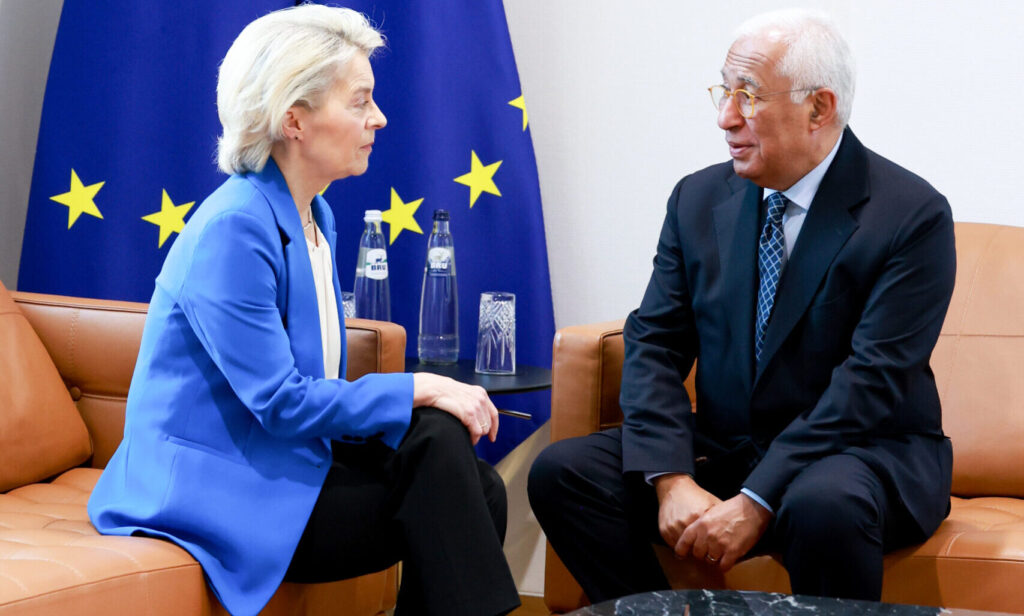
António Costa, President of the European Council, told reporters: “Turning now to the rest of our agenda, I would like to say a few words about our long-term budget. The European Union has set an ambitious agenda for itself, focused on security, competitiveness and social cohesion. We need a budget that gives us the means to achieve our ambitions.“
Farmers first, spreadsheets later
Speaking at a middle-of-the-night post-summit press conference, Mr Costa paid special attention to farmers: “This morning, Ursula and I started the day by meeting representatives of farmers.While many were gathered here in Brussels, we listened to their concerns. And I want to tell them Europe is on your side. Europe will continue to support you because everybody around the table of the European Council recognise the strategic importance of farming. Protecting European farmers, protecting food security is a fundamental objective of the Union, and we will address it in the upcoming budget negotiations.“
We need a budget that is faster, simpler, and more flexible, and a budget that will ensure Europe’s capacity to meet the demands of a world of crisis. — Ursula von der Leyen, President of the European Commission
Mr Costa’s sattements shows why the MFF talks will turn fractious. Agriculture still consumes close to a third of EU cash. Any effort to funnel more money to drones, chips or border defences must either shrink farm subsidies or swell the overall pot. Neither move looks easy.
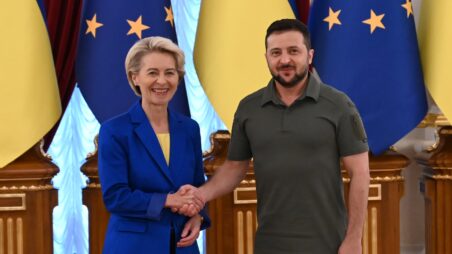
Ursula von der Leyen, President of the European Commission, concluded: “We need a budget that is faster, simpler, and more flexible, and a budget that will ensure Europe’s capacity to meet the demands of a world of crisis, as demonstrated again today for the financing of Ukraine. Finally, we agreed on the sense of urgency and the intense work ahead with the Cypriot presidency.“
Faster, simpler
Ms von der Leyen’s wish list echoes long-standing complaints. The current budget releases money at a snail’s pace, smothered in forms and audits. Yet “faster and simpler” often collides with ministers’ craving to keep a hand on the till. The new customs plan, for instance, comes with a committee of national experts—an extra layer, not one fewer.
The summit ended with rival aims unresolved. Leaders demanded urgency yet parked the numbers. The budget fight will resume once shellfire in Ukraine slackens—or when the bills for it finally fall due.
However, the Council’s decision is a step forward: it clarifies the programme’s content and readies it for talks with Parliament, even as it does not lock in funding.