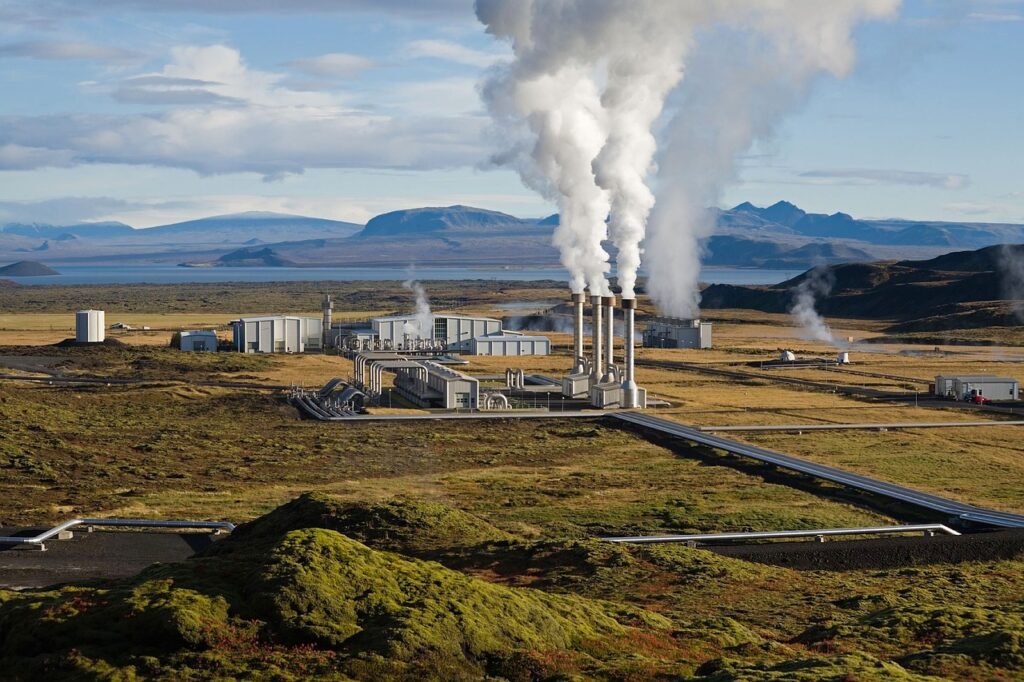
Whole power stations do not often travel by lorry, yet that is exactly what happened on 22 December: the European Commission finished moving a complete thermal plant from Lithuania to Ukraine. The job required 149 separate shipments and clocked in at 2,399 tonnes.
Forty of those loads counted as “oversized”, including transformers and two stators that each weighed about 172 tonnes. Poland’s Governmental Agency for Strategic Reserves guided the heaviest pieces across its roads and railways, ensuring that every component reached Ukraine intact.
“The delivery of this power plant is European solidarity in action, and our most demanding logistical operation to date. I thank Lithuania, Poland, Romania and all partners who ensured the success of this colossal operation. It is a powerful demonstration of the EU’s unwavering commitment to Ukraine’s resilience, helping ensure light and heat for one million people as they face a fourth winter of Russia’s war of aggression,” said Hadja Lahbib, Commissioner for Equality, Preparedness and Crisis Management. Ms Lahbib’s department oversaw the convoy.
Power on the move
The plant plugs a hole punched by Russian missiles. Earlier EU aid—9,500 generators and 7,200 transformers—kept hospitals and shelters lit but did little for the broader grid. By contrast the relocated station can serve roughly one million customers, easing the risk of rolling black-outs in the coldest months.
Brussels pays heavily for such resilience. Since 2022 the bloc has channelled more than €1.2 bn of humanitarian support to Ukraine and shipped 160,000 tonnes of assorted aid. The EU Civil Protection Mechanism co-ordinates the effort, pooling resources from all 27 member states as well as six participating neighbours, including Norway and Türkiye.
The same mechanism has also moved over 4,700 wounded Ukrainians to hospitals in 22 countries. Yet even that airlift looks modest beside the sheer bulk of an entire thermal plant threaded through wartime corridors.
Rare engineering feat
Whole power stations rarely travel. Turkey’s Karpowership fleet can berth floating oil-fired units in places such as Ghana and Lebanon. General Electric’s trailer-mounted TM2500 turbines have flown into Angola and Zambia. Germany once barged a diesel station to Nigeria; Japan has boxed up modular diesels for the Philippines. All those cases relied on vessels or containerised kits, not dismantled brick-and-mortar assets.
Unlike those modular solutions, the Lithuanian plant began life as a land-based fixture. Moving it meant uprooting boilers, wiring and control rooms, then re-assembling them in a live war zone—an exercise few engineers ever attempt.
The delivery of this power plant is European solidarity in action, and our most demanding logistical operation to date. — Hadja Lahbib, EU Commissioner for Equality, Preparedness and Crisis Management
By year-end EU assistance to Ukraine’s energy sector will have helped nine million people. The fresh plant adds heft to that tally and mutes doubts about the bloc’s staying power. Money still flows, fuel still burns and cables still hum, even as Russia’s attacks continue. Ukraine’s grid remains fragile, but each extra megawatt steadies voltage and spirits alike. Brussels hopes the latest delivery signals that, when the need is grave enough, Europe can do more than pass resolutions—it can haul a power station across a continent.