President of the United States announced on Monday that any country trading with Iran will pay a tariff of 25 per cent on goods exported to the United States, with immediate effect. The measure is apparently aimed primarily at China, which is Iran’s main trading partner. As trade between the EU and Iran, however, also remains significant, amounting to billions of euros annually, the Trump’s order would in theory also affect the Union.
“Effective immediately, any country doing business with the Islamic Republic of Iran will pay a tariff of 25% on any and all business being done with the United States of America,” President Trump wrote on Truth Social on Monday late evening. “This Order is final and conclusive,” Mr Trump added.
Trade war or real war?
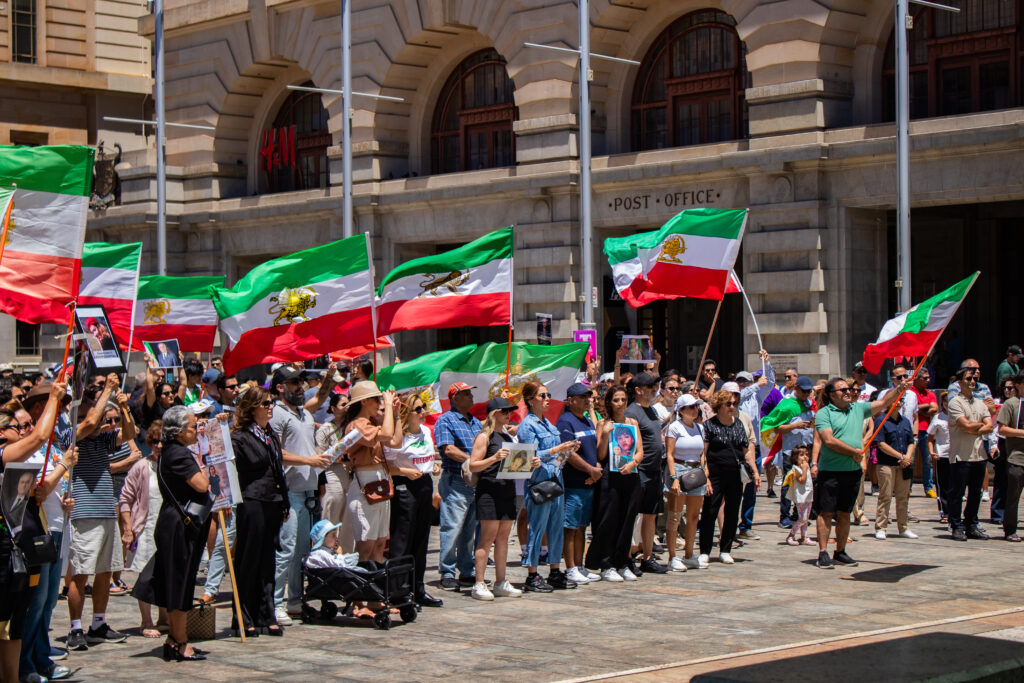
The announcement on tariffs is the first Trump’s practical response to several days of mass clashes between demonstrators and security forces in Iran, which, according to some sources, have already claimed hundreds of lives. However, verified information on what is going on in Iran is scarce, partly due to the internet being shut down by Iranian authorities. The US president has also repeatedly threatened Iran with military intervention over the past days if, in Trump’s words, “the Iranian regime keeps killing people.”
Relations between Iran and the United States have been at a standstill since the victory of the so-called Islamic Revolution in Iran in 1979. The last direct violent confrontation between the US and Iran took place in June 2025 after Israel had launched unprovoked air strikes against Iran. Few days later, the United States bombed Iranian nuclear facilities as part of that conflict.
Since 1979, the United States and other Western countries including EU member states have imposed numerous sanctions on Iran, which have had a severe impact on Iran’s economic situation and the lives of ordinary people. The current protests began among traders at the Tehran bazaar, who were rebelling against the sharp devaluation of the Iranian currency. However, some of the demonstrators are now demanding not only improvement in the economic situation but also departure of the current government.
Germany leads the crowd
According to figures published by Trading Economics, the total imports to Iran amounted 69 billion US dollars (roughly €59bn) in 2024. Data from 2025 are not yet available. Although Tehran’s main trading partners are non-European countries (China, Türkiye, United Arab Emirates, and India), the share of EU member states is not insignificant.
European Commission’s official statistics show that the total trade in goods between the EU and Iran in 2024 amounted to €4.5bn (exports and imports combined). Plus there is ca. €1.7bn worth trade in services. As exports from the EU to Iran significantly exceed imports, EU countries account for some 7 per cent of total imports of goods and services into the Islamic Republic.
Of the EU member states, Germany is the most important trading partner of Iran. Berlin’s total amount of trade with the Islamic Republic exceeded €1.3 bn in 2024, according to an UN database. German companies export to Iran especially machinery, nuclear reactors, pharmaceutical and optical products.
What comes next?
Asked by US media outlets, the White House declined to share additional information on the tariff and how the Trump administration plans to implement it. That also applies to possible US tariffs on EU exports due to the ongoing trade relations between the EU and Iran.
There has been no official response from the European Union yet. The Council issued a Statement by the High Representative on behalf of the EU on the situation in Iran, but that happened before the Trump’s announcement and focused on security situation and Iran’s international obligations.