The European Parliament’s defence committee began the year with a bang. It has endorsed the idea of opening European Union missions, training and funding to countries from Britain to South Korea. Such openness just might augur the arrival of a new global security architecture.
On January 15th members of the SEDE committee voted 25 to six, with one abstention, to endorse a report by MEP Michał Szczerba (EPP/POL) on new security and defence partnerships. The result gives momentum to a scheme that could open European Union partnerships with third countries from Britain to South Korea. It also tees up a politically charged plenary vote next month.
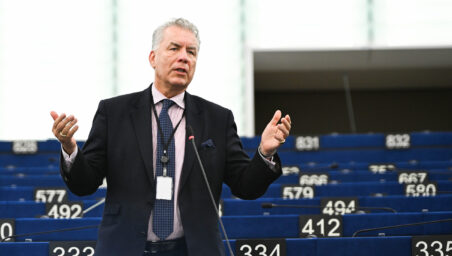
Mr Szczerba took the floor just before the ballots were cast. “Good morning, dear colleagues. Happy New Year. We meet today ahead of the vote. Let me briefly recall the purpose and ambition of this report and thank you for the constructive cooperation throughout the process,” he began. His audience nodded. Negotiators from various political groups had trimmed the text for weeks.
The compromise they reached matters. The report—an own-initiative file numbered 2025/2119(INI)—fleshes out the “partnering” pillar of the EU’s 2022 Strategic Compass and dovetails with last year’s SAFE regulation on the arms industry. Together these texts promise wider access to EU cash, joint drills and intelligence feeds for “like-minded” democracies.
Partnerships with a purpose
“We made a broad compromise. The report is strong, balanced and forward-looking. Europe’s security cannot can no longer be taken for granted. In any scenario, the most important task is for the EU to build its own strength,” Mr Szczerba continued. He framed the file as an answer to shrinking American predictability and a revanchist Russia.
His report urges three lines of action. First, allow outsiders to join EU military operations and battlegroups. Second, mesh cyber-defence and critical-infrastructure plans. Third, admit partners to civilian crisis-management and disaster-relief schemes. It even backs a standing operational headquarters, a chestnut that EU capitals have chewed over for decades.
Support for Ukraine is the bedrock of the EU defence. — MEP Michał Szczerba (EPP/POL)
The stakes are high. Supporters say the plan will mesh EU kits with NATO procedures, plug industrial gaps and give Ukraine a long-term lifeline. Skeptics—in Hungary’s government and on the far right of the Parliament—see creeping federalism and fresh bills for frugal treasuries.
Lines on maps, money in banks
“We need a more strategic and coordinated approach. This is where security and defence partnerships are essential. Threats do not stop at borders, and the EU cannot act alone,” declared Mr Szczerba. His warning echoes Council debates last year, when ministers fretted about airborne drones, Russian sabotage and American election cycles.
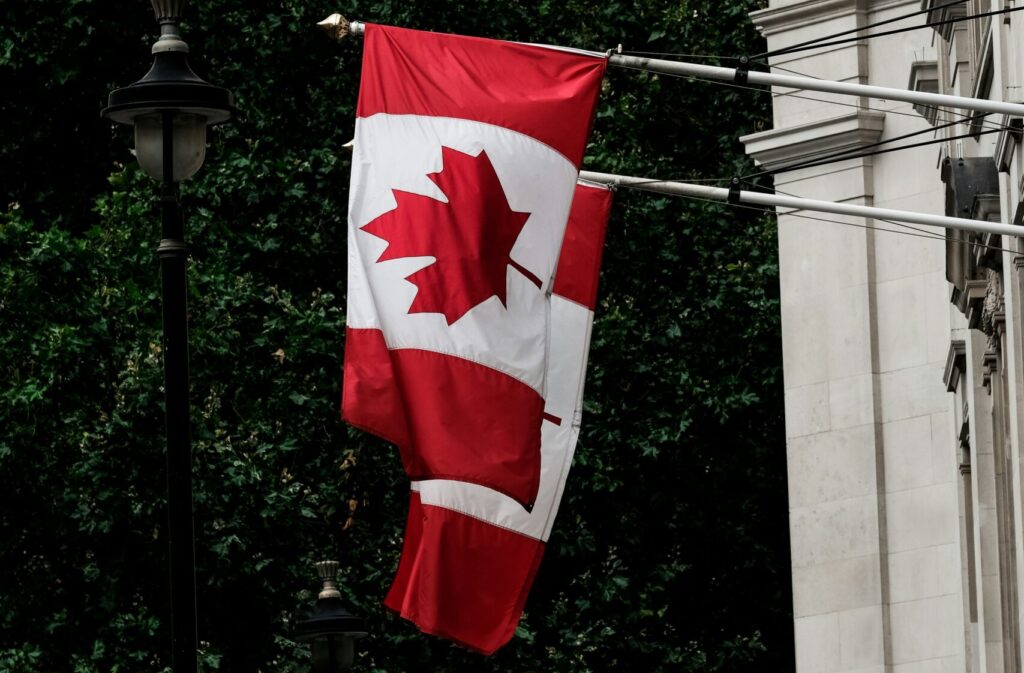
Countries queueing up for partnership deals agree. Britain, Canada and Norway have already signed memoranda with Brussels. Japan and South Korea followed suit in November. Ukraine sits at the heart of the project; its forces could train and deploy with EU units as early as 2027 if the scheme survives Council scrutiny.
Budget hawks remain wary. Austria, Denmark, the Netherlands and Sweden pushed, unsuccessfully, to cap EU co-financing during committee talks. Greens and the left demanded stricter arms-export clauses. None blocked the text, yet the plenary could revive their amendments.
Holding the line
“The report sends a clear message. Real strategic autonomy depends on partnerships that deliver concrete capabilities and resilience. Support for Ukraine is the bedrock of the EU defence. The report calls for sustained long-term support for Ukraine and deeper cooperation,” Mr Szczerba said.
We need allies and partners globally. I believe it provides a solid basis for the vote. And I ask for your support. — Michał Szczerba
“At the same time, the EU-NATO partnerships remain the cornerstone of European defence. The report reinforced this and calls for a closer and practical cooperation,” the rapporteur added. That wording soothed Atlanticists in Renew and the European Conservatives and Reformists, who earlier tried to crown NATO “the only framework” for collective defence.
Looking ahead
“The report also looks ahead. It supports strengthening current and tailoring new partnerships. This report is a concrete contribution to the overhaul of EU defence policy. It gives direction for action, not just the declaration,” Mr Szczerba went on. Officials predict a Council conclusions paper in spring. If ministers agree, partner troops could soon patrol Balkans roads or Sahel skies under an EU flag.
“This means that EU must take greater responsibility for its own defence. Member states need to invest more and close critical capability gaps, but higher spending alone is not enough. We need allies and partners globally. I believe it provides a solid basis for the vote. And I ask for your support,” he concluded. Moments later the screens flashed the result he wanted.
The celebratory mood conceals the fact that, in real terms, Thursday’s vote amounts to not much. Under the best scenario, it will merely prod the Commission towards the outlined goals. Still, the level of support appears encouraging. Next month the plenary vote will test it. If the numbers hold, Brussels will be a step close to gaining a fresh tool to bind friends, deter foes and, just maybe, keep pace with a world that no longer waits for Europe to catch up.