No guaranteed budget, effective control, or concrete steps to achieve measurable goals. This is how medical experts assess the strategy for combating cardiovascular disease recently presented by the European Commission as the Safe Hearts Plan.
The professional community welcomes the ambitious plan but expects the Commission to supplement it with comments from practitioners. For example, the Commission is focusing on tightening regulation to address risky behavior in the population, but is downplaying the importance of behavioral factors. EU Perspectives asked participants in the European Cardiology Conference of Czechia’s Zdravotnický deník (The Health Daily Journal, a sister publication), which effectively launched the Plan’s preparation less than three years ago, for their assessments of the plan. Views of distinguished speakers at the Journal’s other conferences complete the picture.
Cardiovascular disease is the leading cause of premature death in the European Union and costs healthcare systems €282bn annually. The Safe Hearts Plan therefore aims for a comprehensive approach: from prevention to early detection using artificial intelligence to modern personalised treatment. It is precisely this multidisciplinary approach that experts generally appreciate.
Check-ups reduce mortality
“Let’s appreciate the significance of what we are talking about here. The Safe Hearts Plan is the first of its kind and represents a major step forward,” says Franz Weidinger, Austrian ex-president of the European Society of Cardiology, in his response to the European Commission’s plan.
Mr Weidinger was a distinguished guest at the Journal’s conference three years ago. In his view, the document exceeded the expectations of the professional community in many respects. “It is clear that the Commission has worked hard to create something that will translate into real action and ultimately benefit patients.”
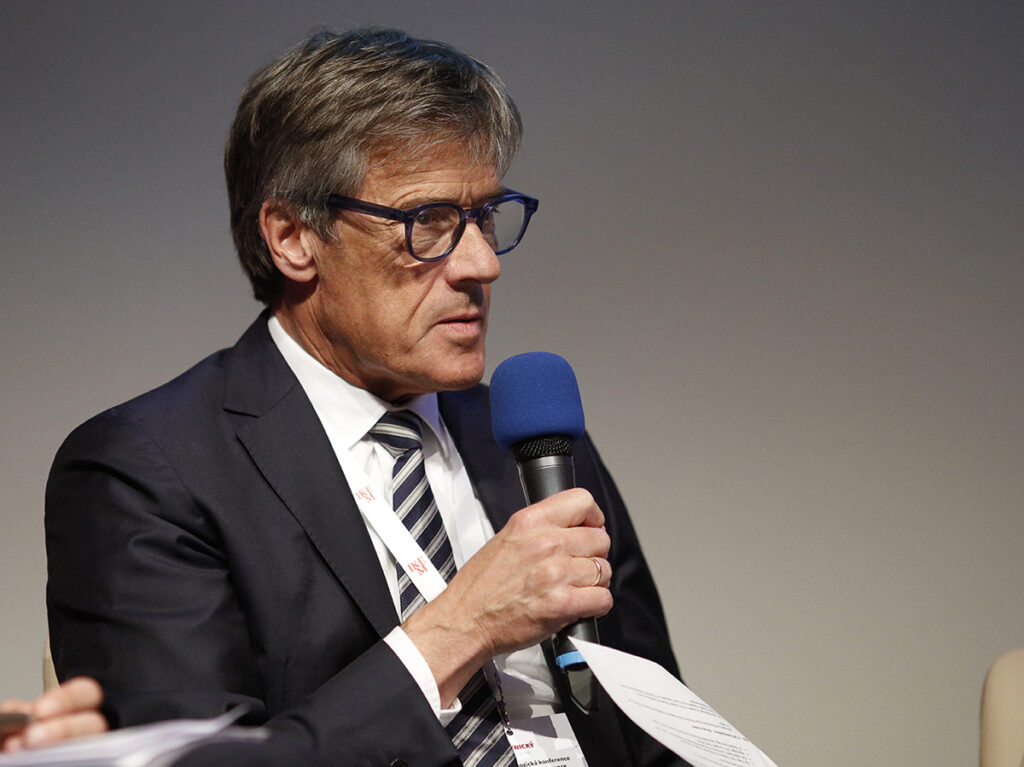
In particular, Mr Weidinger highlights the recommendation to introduce systematic cardiovascular health checks. “In some countries, even the simplest health checks are not actively offered today. Yet we know from the experience of the British NHS that check-ups by general practitioners can reduce mortality by almost 25 per cent. That’s a staggering statistic, and imagine the impact if every country introduced such measures,” he outlined.
Commitment, not a plan
At the same time, however, Mr Weidinger warns against overlooking external influences. “While prevention is strong in addressing the new epidemic of nicotine addiction, it is weaker when it comes to environmental risk factors such as air pollution and noise. These are significant contributors to cardiovascular disease, and we must ensure that national plans include specific steps to address these issues.”
His biggest concern, however, is money: “What is missing from the plan? A guaranteed budget. It is essential to ensure that the plan has a budget commensurate with the challenge posed by cardiovascular disease. With adequate financial support, it could transform the EU into the best place in terms of cardiovascular health.”
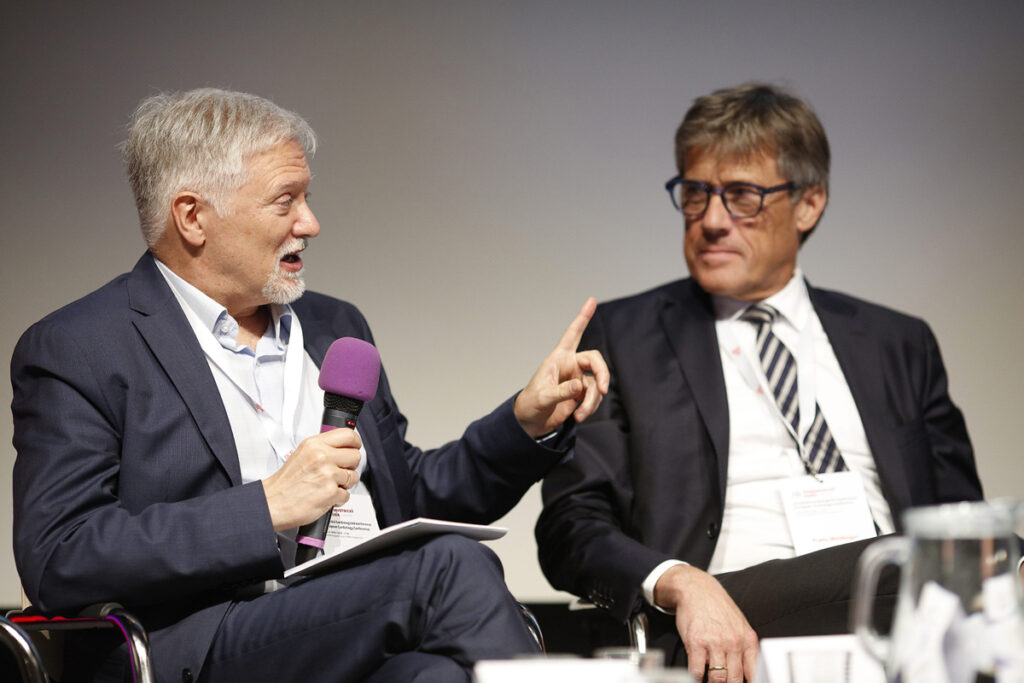
Héctor Bueno, coordinator of Spain’s National Cardiovascular Health Strategy points out that to achieve real improvements in the health of the population, there is still a long way to go. “The Safe Hearts Plan is not yet a fully functional plan, but rather a strategic commitment by the EU. It has the potential to become a powerful tool, but it lacks detailed steps. For example, what exactly it will monitor, who it will monitor; the timelines, governance, indicators to track progress, and funding,” Mr Bueno explained his cautious stance.
The Czech footprint
The assessment of Michal Vrablík, cardiologist and chairman of the Czech Society for Atherosclerosis, is very positive, and shows a dash of patriotic pride. According to him, the Safe Hearts Plan confirms that his country is already on the right track.
“In Czechia, we have been working on the implementation of the National Cardiovascular Plan for a year now, and the European Commission’s Safe Hearts Plan aligns with its main points in full. Our European colleagues have apparently drawn inspiration from our document,” Mr Vrablík notes.
He considers the emphasis on prevention, innovation, and screening to be a particular strength. “Personally, I am pleased that one of the pillars of the plan relating to screening explicitly recommends universal screening for familial hypercholesterolemia and lipoprotein(a) concentrations,” he adds. However, he sees a weakness in the recommendatory nature of the document, which gives member states room for inaction.
Clear indicators, accountability needed
According to Birgit Beger, executive director of the European Heart Network, the strategy “finally gives cardiovascular health a separate framework at EU level” and clearly covers the entire care chain, from prevention and early detection to treatment and rehabilitation. She sees the plan as both a strong political signal and a solid starting point.
At the same time, however, she emphasises that practice will prove decisive: “The key test now is implementation: translating the plan’s ambitions into measurable improvements across member states. We would like to see the plan supported by a stronger implementation architecture—governance, monitoring, and long-term funding—so that it can actually reduce inequalities on a permanent basis, not just set the direction,” she says.
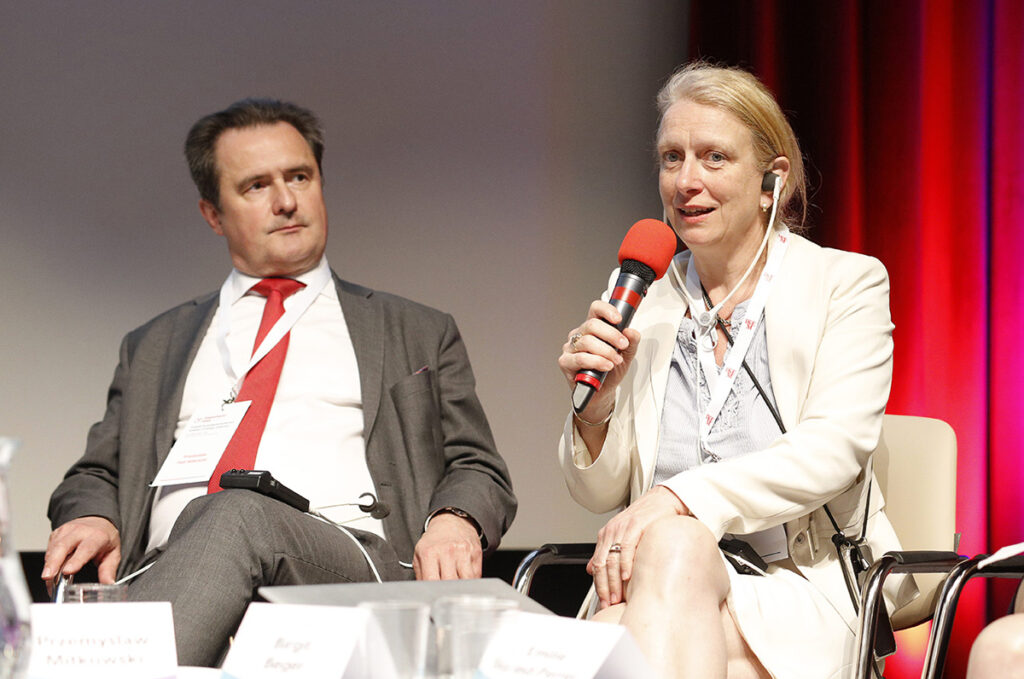
Ms Beger sees weakness in the risk of implementation failure, absent stronger governance and accountability. “A plan of this scale needs a clear governance mechanism and transparent reporting against a compact set of indicators,” she says. She is also critical of prevention, which should be strengthened by “structural measures” such as regulation of tobacco and alcohol marketing, and of the uncertainty surrounding funding. “Successful expansion requires predictable, multi-year funding aligned with goals and reducing inequalities,” she adds.
Joint efforts by physicians and the public
Improving the cardiovascular health of the population cannot be achieved without public education. “We have to do this because cardiovascular disease is the leading cause of death,“ Davor Miličić, president of the Croatian Society of Cardiology, said at the Journal conference.
“We must participate in public life and promote cardiovascular prevention continuously, sometimes even aggressively; and we must fight for the implementation of the latest treatment methods in order to keep pace with current science,” the Croatian cardiologist said.
Education is an integral part of prevention. Petr Ošťádal, president of the Czech Cardiology Society, also had things to say about the topic. “We should shift our focus from cardiovascular intervention to primary and secondary prevention, early detection of cardiovascular risk factors, their prompt treatment, and the promotion of lifestyle changes,” he said, adding that there is much room for improvement in secondary prevention, i.e., participation in screening programs.
Behavioral changes, not bans
Czechia is one of the countries, which strugglesl with the three biggest threats to individual and public health: alcohol consumption, cigarette smoking, and obesity. These can be addressed by changing people’s behavior toward their health. However, the European Commission’s plan emphasises regulatory restrictions and stricter bans, while underestimating behavioral factors.
This is particularly evident in the case of smoking, where it declares the strategic goal of “a tobacco generation of less than five per cent of users by 2040,” which is a laudable goal, but one that remains a mere declaration for now. Most countries, with the exception of Sweden, are a long way from achieving this.
The example of Sweden shows that the way forward may be in risk reduction (and not just from smoking). As far as heart and blood-vessel health is concerned, this may be an underrated policy tool.

Helping those at risk
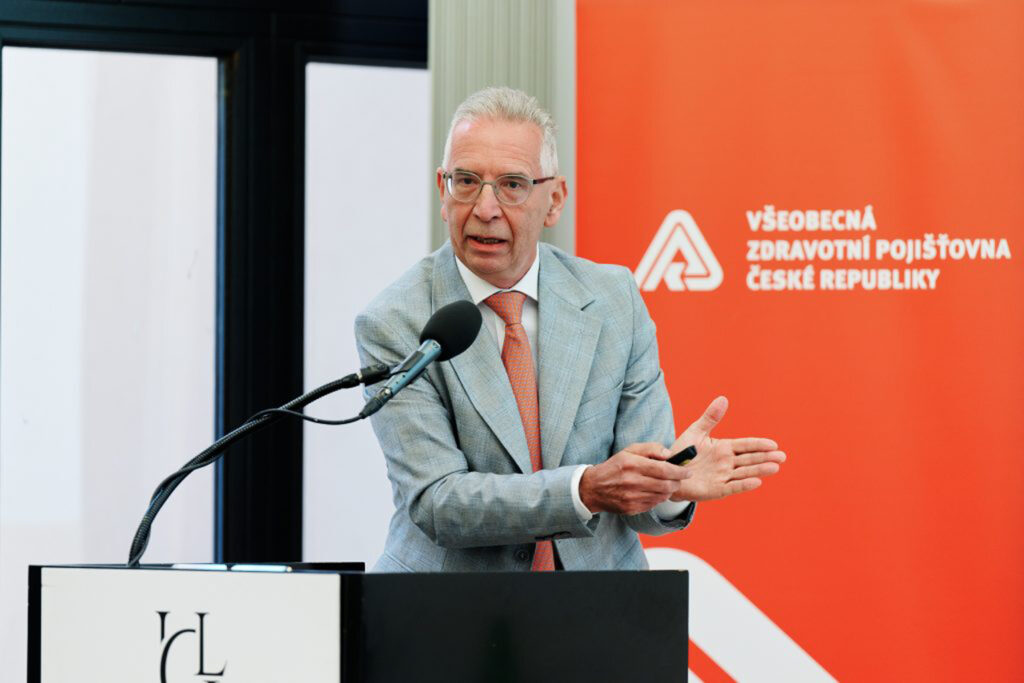
“I would appeal to health insurance companies. Those who gradually reduce their cigarette consumption reduce their potential cardiovascular risk of disease and the risk of developing tumors. I think that’s the way to go,” said Petr Neužil, head of the cardiology department at Prague’s Nemocnice na Homolce Hospital, at the Journal’s conference The Economics of Prevention.
He noted that cigarette smoking causes 16,000 deaths in the Czech Republic every year. At least ten percent of health insurance costs are attributable to smoking-related illnesses, he pointed out. All smokers should always be provided with education and offered help to quit smoking. In Mr Neužil’s view it is then possible to introduce products with reduced or modified risk to those who struggle to give up smoking.
All of the factors described above will determine whether the European Union will succeed in achieving its goal of reducing premature mortality from cardiovascular disease by a quarter by 2035. The year 2027 will be critical, as this is when member states are to submit their own national strategies based on the new European framework.