European Parliament has approved a historic €90 billion enhanced cooperation loan mechanism for Ukraine, clearing the way for a bloc of 24 EU countries to provide long-term financial support despite opposition from three member states. The vote marks a significant step in the EU’s efforts to maintain Kyiv’s economic and military resilience amid ongoing Russian aggression.
The approval covers an “enhanced cooperation” procedure, a legal mechanism that allows a group of willing EU countries to act collectively even when unanimity among all 27 members is not possible. The procedure was approved by 499 votes in favour, 135 against, and 24 abstentions.
Moving ahead
Through this tool, EU countries will deliver €90 billion to Ukraine, funding both direct budget support and military assistance over 2026–2027. While Wednesday’s vote did not release funds immediately, it established the legal framework required for the broader financial support plan to move forward without delay.
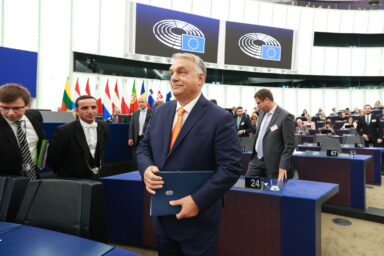
Three EU countries—Hungary, Slovakia, and Czechia—opted not to support the measure, highlighting persistent divisions within the bloc. Hungary, under Prime Minister Viktor Orbán, has long pursued strong ties with Russia despite the war, while Slovakia’s Robert Fico has also shown reluctance to deepen EU commitments to Kyiv.
Czechia, until recently a steadfast partner to Ukraine, saw a new governing coalition formed in late 2025, which has promptly pushed domestic issues in lieu of EU solidarity. The sudden reversal has drawn criticism from the centre-right opposition and put the government at odds with the Czech head of state, Petr Pavel, a former NATO general and close Kyiv ally.
Mechanism to provide opportunities
Once fully operational, the loan mechanism will allow participating EU countries to borrow collectively on capital markets to fund Ukraine’s aid, backed by the EU budget. It represents one of the largest coordinated financial efforts in the bloc’s history to support a nation under sustained attack, reflecting both European solidarity and the practical challenges of securing consensus among member states.
The need for urgent support is clear. Ukraine continues to face relentless Russian attacks, a stalled peace process, and mounting economic pressure, leaving its government struggling to fund essential services and maintain military readiness. The loan is intended to stabilise Kyiv’s budget, ensure public service delivery, and sustain its armed forces at a critical juncture in the conflict.
Real but also symbolic
Beyond immediate relief, the measure carries both symbolic and strategic weight, signalling a broader European commitment to Ukraine’s security and sovereignty. Analysts note that the EU’s coordinated approach highlights the stakes for Europe and the wider world: supporting Ukraine is not just about the war today, but about maintaining the stability, norms, and security frameworks that will shape the continent and global order for years to come.
The vote also illustrates the EU’s determination to act decisively even in the face of internal disagreements. By using enhanced cooperation, Brussels has effectively sidestepped potential delays, ensuring that the majority of member states can provide critical aid without waiting for unanimous consent. For Kyiv, this marks a crucial step in securing predictable, long-term support amid a war that shows no sign of abating. Europe has tried, but without success, to get Russia to come to the negotiating table.