The trade deal, agreed on Tuesday, covers a market of two billion people and nearly one quarter of global GDP. The agreement covers almost all goods and most services, will remove majority of tariffs thus bringing down high import costs. European automotive companies are supposed to benefit significantly as access to the huge Indian market will be easier.
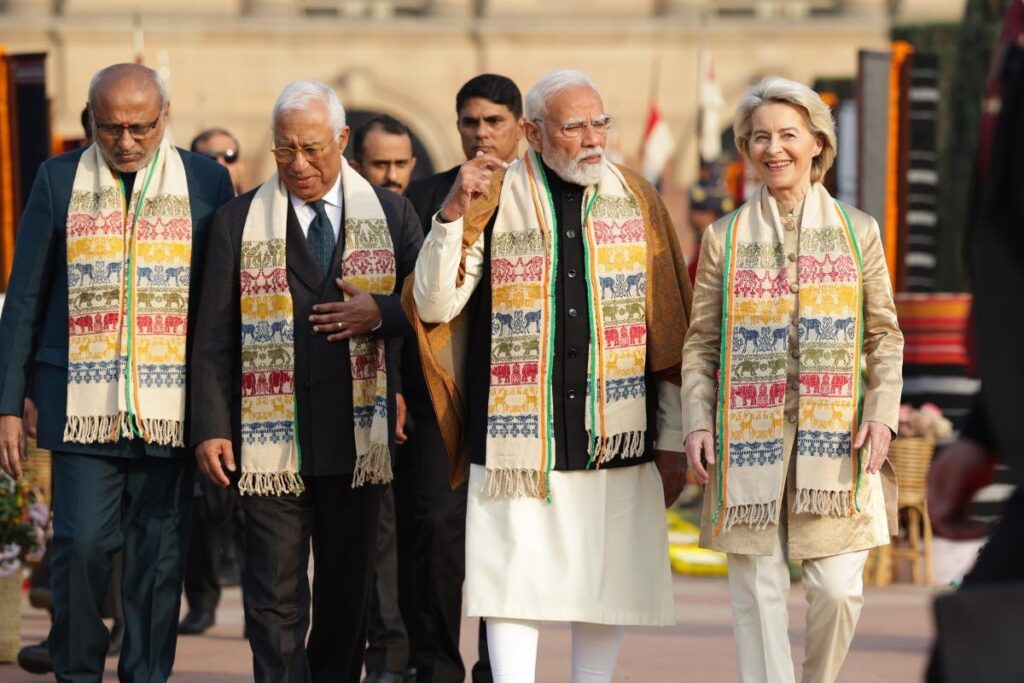
“We have concluded the mother of all deals.” In these words labelled Commission President Ursula von der Leyen the landmark trade agreement struck between the EU and India. According to Commission’s press release, the deal will “strengthen economic and political ties between the world’s second and fourth largest economies, at a time of rising geopolitical tensions and global economic challenges”.
Four billion euro saved annually
The agreement is expected to double exports from the EU to India by 2032. Tariffs on more than 90 percent of EU exports will be reduced or totally eliminated. The deal will also improve access to the Indian services market, particularly in financial services, maritime services, and other key sectors. It will also open up new business opportunities and create new jobs.
Altogether, the tariff reductions will save around €4bn per year in duties on European products.
With a population of 1.45 billion, India is the world’s most populated country. Although most Indians remain relatively poor, the Indian middle class is growing in both wealth and numbers. As such, demand for foreign goods is therefore certain to grow in the coming years.
The agreement will reduce tariffs as well as administrative burdens. This will make trade with Indian partners easier and faster for EU companies, enabling to respond better to the needs of the huge Indian market.
The agreement has already been welcomed by German car manufacturers, who see it as an ’opportunity for Germany’. French car manufacturer Renault has stated that it plans to make further investments in India.
Icing on the cake: new defence deal
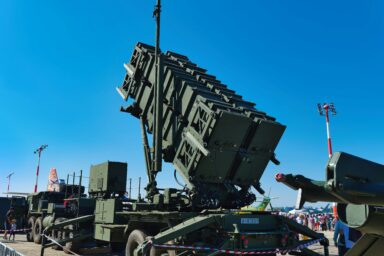
The European Union and India also agreed on a framework for deeper defense and security cooperation. On top of that, there is a separate pact aimed at easing mobility for skilled workers and students. It is a signal that the EU-India partnership extends beyond commerce.
Kaja Kallas, High Representative of the EU for Foreign Affairs said that the deal also establishes an annual security and defense dialogue, with the first meeting to take place this month. “As the global order shifts, the EU will continue to deepen its diplomatic and economic ties across the world. Strong partnerships multiply our strength,” Ms Kallas said.
The new defence cooperation agreement is also interesting in light of the ongoing war in Ukraine. Until recently, India was one of Russia’s leading defence partners, which was criticized in particular by the US and the EU. The new deal with the EU may change the dynamics of India-Russia arms cooperation.