The European Commission is preparing a dedicated livestock strategy at a time of livestock-related emissions rising globally. Farmers are inceasingly concerned that the cost of complying with EU climate rules could threaten the sector’s economic viability.
I am increasingly concerned about misaslignment between sustainability targets and the economic realities of livestock producers. That is the message that Thanawat Tiensin, Assistant Director-General from the UN Food and Agriculture Organization (FAO), shared with MEPs from the Agriculture and Rural Development Committee (AGRI) on Wednesday, 28 January. Unsustainable increase in the regulatory burden is likely to make farming unviable in various parts of Europe, he warned.
Leakage, or global concern?
The message comes amid reports that livestock-related emissions will rise from 6.2 to 9m tonnes of CO₂ equivalent by 2050. Only a major further action can avert it. The outcome could, however, be dramatically better with concerted efforts and solutions apply.
Several MEPs voiced concerns about the impact of carbon leakage. The EU livestock production sector is declining in size and intensity. If imports from other regions of the world (with higher emissions intensity) replaced it, carbon leakage would occur.
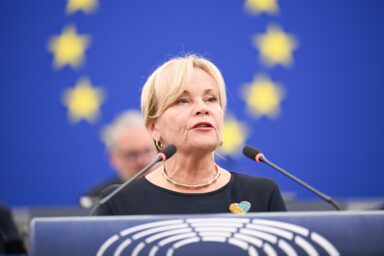
On the plus side, MEP Jessica Van Leeuwen (EPP/NLD) noted that this high efficiency has implications for the sustainability question. The emissions produced in the EU, she argued, should be of less priority than ensuring the reduction of global emissions in other regions where emissions intensity remains comparatively high.
Methane, the villain
Other MEPs expressed concern that the expansion of regulatory requirements may contribute to the decline of rural viability in extensive livestock farming regions. In particular, this concerns requirements associated with the EU’s Green Deal and Farm to Fork policies.
The European Commission, confirmed that an EU livestock strategy is under preparation. European commission representative emphasised the role of the Common Agricultural Policy (CAP) as providing a framework for sustainable agricultural production. Today, 32 per cent of CAP funding goes towards voluntary measures related to climate and environmental policy objectives.
In today’s context, farmers are questioning whether their work is a solution or a problem. — Thanwat Tiensin, FAO Assistant Director-General
A Commission representative mentioned the progress that the EU has made in reducing agricultural emissions in recent years. The European agriculture sector has achieved a two per cent reduction in those emissions in 2023 compared to 2022. The commission has identified methane emissions as a particular challenge, however, and is promoting the use of feed additives and other measures to reduce enteric methane emissions from livestock.
FAO’s initiatives
As for the Commission, the post-2027 revision of CAP will play a key role in giving farmers more tools to accomplish market and climate-related objectives.
In an exchange with Committee members, Mr Tiensin also provided an overview of FAO’s initiatives to support livestock farmers through innovation and new, global partnerships. These include technical cooperation initiatives with major non-governmental organizations involved in livestock.
He announced FAO’s decision to establish a Global Programme on Transboundary Animal Diseases (GP-TAD), as well as a new Sustainable Livestock Innovation Hub (SLIH) initiative that targets small-to-medium-sized livestock producers. SLIH will allow FAO to extend the reach of mitigation technologies and best practices.
‘We cannot eat AI’
FAO commits to developing dialogues at multiple levels between key stakeholders and interest groups. One area where of application, Mr Tiensen said, is in the FAO’s work to develop a Global Plan of Action for Sustainable Livestock Transformation. The project aims to harmonise policies at national and global levels with the realities and practices on the ground.
Mr Tiensin reminded everyone in his closing statement that “We cannot eat grass or artificial intelligence. We need food — and we need the farmers who produce it.”
As policymakers think about how the EU can achieve its 2040 emissions targets without trading off food security or the economic sustainability of the rural economy, livestock might be the first test of the political and practical limits of an agricultural green revolution.