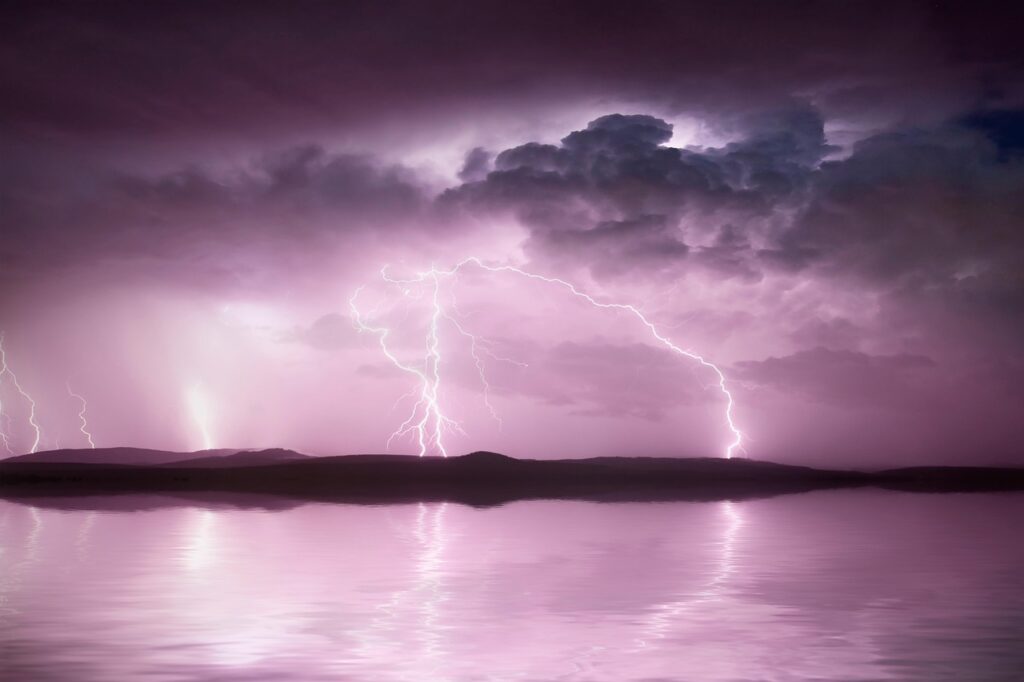
Hard rain drowned southern Europe; rhetoric flooded Brussels. As Portuguese roofs leaked and Sicilian hills slid, MEPs turned their plenary into a blame-storm, trading condolences for accusations, budgets for barbs, arguments for point-scoring.
The rain came down and, right on cue, the recriminations poured forth. As storms ripped across Portugal, Italy, Spain and Malta in late January, members of the European Parliament convened to display what they do best: accuse one another of responsibility for the weather. In three hours of earnest hand-wringing and theatrical outrage they found time to mourn, to promise action and—most energetically—to blame.
The European Commission tried to set a lofty tone. “From the very beginning, the Commission’s Emergency Response Coordination Centre has been in close contact with civil-protection authorities and the affected countries,” insisted Commissioner Hadja Lahbib. She boasted of satellite images, stockpiles and “preparedness by design”. Yet even she could not resist a swipe at the laggards: “Our policies, legislation and financial instruments must be crisis and disaster-proof by default.” Translation: if the member states will not do their homework, Brussels will sharpen its pencil for them.
Storm of words
No sooner had the commissioner sat down than the hour of mutual accusation began. The Portuguese centre-right declared that Lisbon “failed every time it’s put to the test”. The Portuguese left retorted that “the government removed certain flood-mitigation projects because they’re not profitable for developers”. Italian conservatives bewailed red tape that “impinges on national competences”, while Greens demanded “a climate adaptation law, colleagues”. Rarely has so much water generated so little common ground.
MEP Silvia Perreira (EPP/PRT) supplied the human touch. “This is perhaps the most difficult speech that I have given in this Parliament,” she began, describing roof tiles blown from her family home in Coimbra. Her empathy lasted precisely two minutes before politics reclaimed the floor. “What is not acceptable is transforming this pain into political grandstanding. This is not the time for opportunism, it is the time to rebuild,“ she scolded her rivals.
France’s radical left sensed an opening. “Identify vulnerable people in regions to support them and to face them if disaster strikes,” urged MEP Manon Aubry (The Left/FRA), implying that Paris had failed to do precisely this. Ms Aubry then demanded “a regional reconstruction fund and not just a solidarity fund”, which sounded generous until she added that “the right should not prevent us” from spending other people’s money.
Whose storm is it anyway?
On the far right, logic took shelter behind rhetorical sandbags. “We do not think that humans and agriculture are the problem,” declared Denis Nesci (ECR/ITA). He blamed “poor construction” for the landslides in Sicily, as if the structures had originated on their own accord.
We must radically step up preparedness for climate impact.— Hadja Lahbib, EU Commissioner for humanitarian aid and crisis management
Farmers might be relieved to escape culpability; architects less so. Maltese deputies then complained that Brussels’ Solidarity Fund “places small member states at a big disadvantage, and this is unfair”. One of them blasted the EU for “financing wars“, reflecting Malta’s relatively safe geographical position far from Russia. Everyone agreed the criteria were flawed—just not how to fix them.
Green outrage came bordered with despair. “But like so many other times before, I feel that our thoughts and prayers, colleagues, are simply not good enough anymore,” sighed MEP Vladimir Prebilič (Greens-EFA/SVN). He demanded river-basin restoration, bigger budgets and fewer obstacles from the EPP—who obligingly accused him of “ideological fanaticism”.
Shifting the blame
Meanwhile the ECR group blamed last year’s blocked “restore regulation” for the mud now coating Sicilian streets. The regulation’s opponents pointed out that it had not been adopted, therefore could scarcely be at fault. Logic, like drainage, struggled to keep up.
Commissioner Lahbib attempted a reprise: “We must radically step up preparedness for climate impact.” The chamber applauded. Moments later, speakers queued to explain why everyone else’s plan was inadequate. The Italian left demanded “activation of the Solidarity Fund and the reuse of cohesion funds, not only to build but also to prevent”.
We do not think that humans and agriculture are the problem. — MEP Denis Nesci (ECR/ITA)
Portuguese centrists wanted “less bureaucratic calendars”. Spanish liberals proposed “a European natural-disaster plan with resilient electricity grids”. All fine ideas—so long as someone else foots the bill.
Small islands, big waves
In La Valletta, storm Harry tore boats from their moorings; in Brussels, Maltese MEP David Casa (EPP/MLT) tore strips off the budget. “These criteria place small member states at a big disadvantage, and this is unfair,” he complained. His Socialist colleagues agreed, calling it “blatant discrimination”. For once there was cross-party harmony—directed, for once, at the Commission. Mr Casa reminded Greens that “climate measures must not disadvantage people who are unable to keep up. Instead of financing wars we need to invest in our citizens.”
Others invoked management cliché. “To fail to plan is to plan to fail, commissioner,” a member from The Left intoned, urging better weather data and faster text alerts. MEP Barry Andrews (Renew/IRL) had already lobbied Dublin to apply for EU funds. If storm warnings were as plentiful as funding requests, perhaps fewer basements would fill with water.
Behind the clamour sat a sober dossier. “The Flood Directive is our key instrument for flood-risk management,” the commissioner reminded deputies. It obliges states to map hazards and update plans. Alas, maps do not mend culverts and directives do not lay sandbags. Hence the promise of “a European integrated framework for climate resilience”—complete with “a lean legislative proposal”. Whether lean law can fatten national budgets remains to be seen.
Blueprints and outrage
Yet a pattern emerged amid the deluge of clichés. Every group mourned the dead, praised first responders and hailed European solidarity. Each then insisted that its opponents had gutted flood defences, ignored scientists or frittered money. Had the storm followed party lines, only the virtuous benches would have stayed dry. Instead, floods respected no slogans. “It is not rocket science,” Mr Andrews reminded the room. Judging by the debate, perhaps a little rocket science would help.
Like so many other times before, I feel that our thoughts and prayers, colleagues, are simply not good enough anymore. — MEP Vladimir Prebilič (Greens-EFA/SVN)
The Union does possess useful tools: satellite imagery from Copernicus, emergency pumps in the rescue warehouse, and cash in the Solidarity Fund. It also owns a surplus of advice. “These strategies have indicated the importance of anticipation, prudence and resilience,” the commissioner repeated, sounding faintly weary. Anticipation may be abundant, but prudence and resilience remain import items.
More storms will come. When they do, the Parliament will reconvene to swap condolences and accusations. Deputies will quote constituents, demand money and vow to “step up preparedness”. Some will mock the Greens, others the EPP; all will claim vindication. The weather, alas, will remain non-partisan. As Ms Perreira observed in a rare moment of collective humility, “If we rebuilt as before, we would accept that the next storm could destroy everything again.” Sensible words—spoken just before the chamber returned to business as usual.