The European Parliament adopted its first-reading position on legislation updating EU rules for measuring instruments, extending the framework to electric-vehicle supply equipment, compressed-gas dispensers and electricity, gas and thermal-energy meters as part of the bloc’s green and digital transition.
Lawmakers voted 594 in favour, 25 against, with 23 abstentions. The proposal amends Directive 2014/32/EU to introduce harmonised EU requirements for emerging measurement technologies used in clean mobility and modern energy systems, aiming to prevent fragmented national rules and provide legal certainty for manufacturers, infrastructure operators and regulators.
Scope and regulatory intent
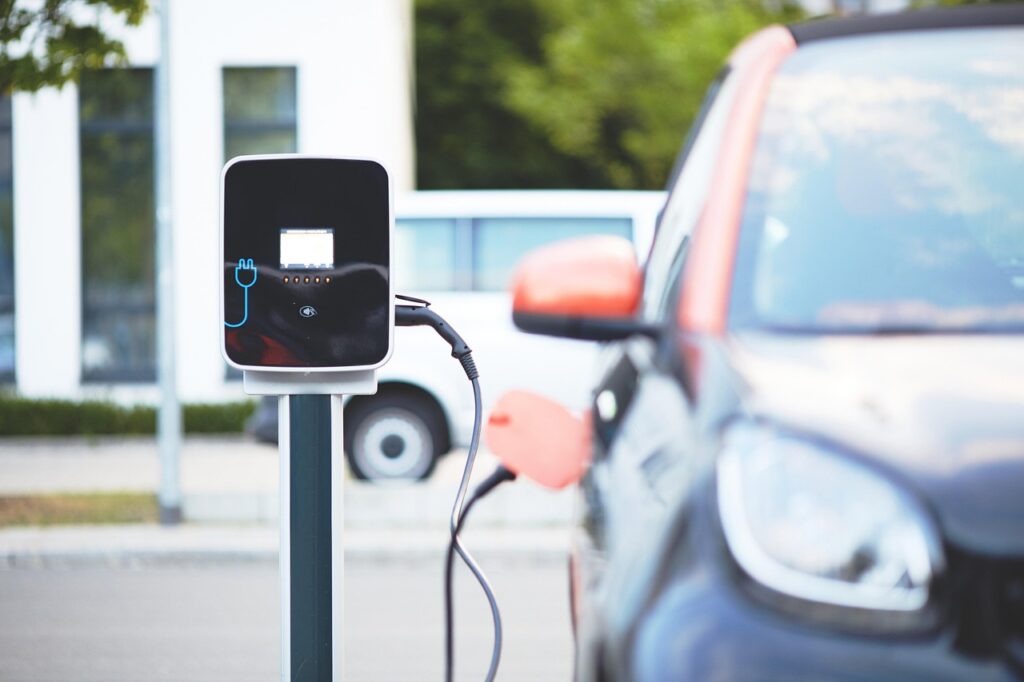
Lawmakers backed the inclusion of EV charging equipment and compressed-gas dispensers within the directive’s scope, formally bringing these technologies into the EU’s legal metrology framework. The changes are intended to modernise the directive and clarify how measuring instruments operate in digital environments, including clearer provisions on metrological control of data and technology-neutral standards.
Parliament supported amendments to the directive’s annexes to reflect new technological capabilities and evolving market conditions, with the aim of ensuring high metrological performance while maintaining compatibility with increasingly digital infrastructure across energy and transport systems.
Future-proofing the framework
MEPs underlined the need for continued review of the legislation as technologies evolve, signalling that future revisions could examine additional instruments — including water meters — to ensure requirements remain appropriate and aligned with digital and smart-infrastructure developments.
Parliament’s position stresses that improving EV charging infrastructure serves the broader public and market interest, while clarifying that the directive does not impose retrofitting obligations on existing charging stations. Instead, it establishes harmonised requirements for new equipment placed on the EU market, with the aim of supporting deployment while maintaining a level playing field across member states.