Brussels is taking a wait-and-see approach after the US Supreme Court struck down sweeping tariffs introduced by Donald Trump last April, a decision that leaves more questions than answers for the time being.
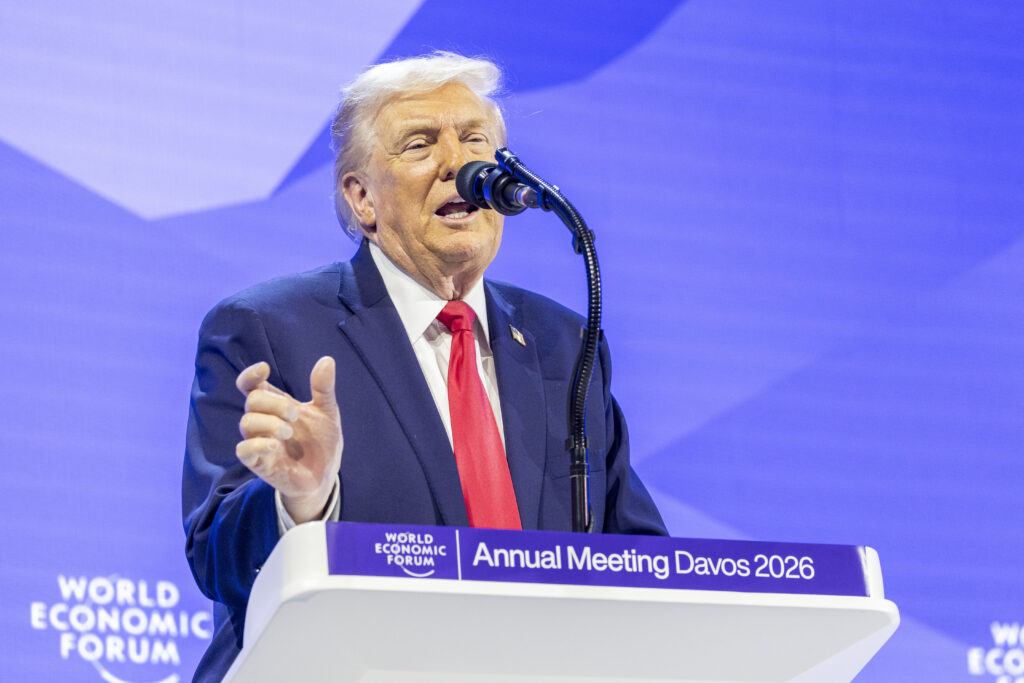
EU officials have yet to issue a formal response following the ruling. The decision invalidates the administration’s 10 percent across-the-board tariff, along with higher duties imposed on several major trading partners, including the European Union, Canada, Mexico, China, Japan and South Korea. The ruling undercuts a policy Trump has openly embraced, describing tariffs as his “favorite word”.
European Parliament trade committee chair Bernd Lange on Friday welcomed the ruling as a positive development.
“Tariff ruling #SCOTUS is a positive signal for the rule of law. Judges have shown that even an US president does not operate in a legal vacuum,” the MEP wrote in a post on X.
“We must now carefully evaluate ruling&consequences. That is why I have convened an extraordinary meeting of the EP negotiating team for Monday,” he wrote.
Waiting for legal clarity
Attention is now turning to whether Washington could seek alternative legal pathways to pursue similar trade restrictions, a scenario that could prolong uncertainty for exporters and policymakers on both sides of the Atlantic.
The longer-term implications for transatlantic trade relations remain unclear.