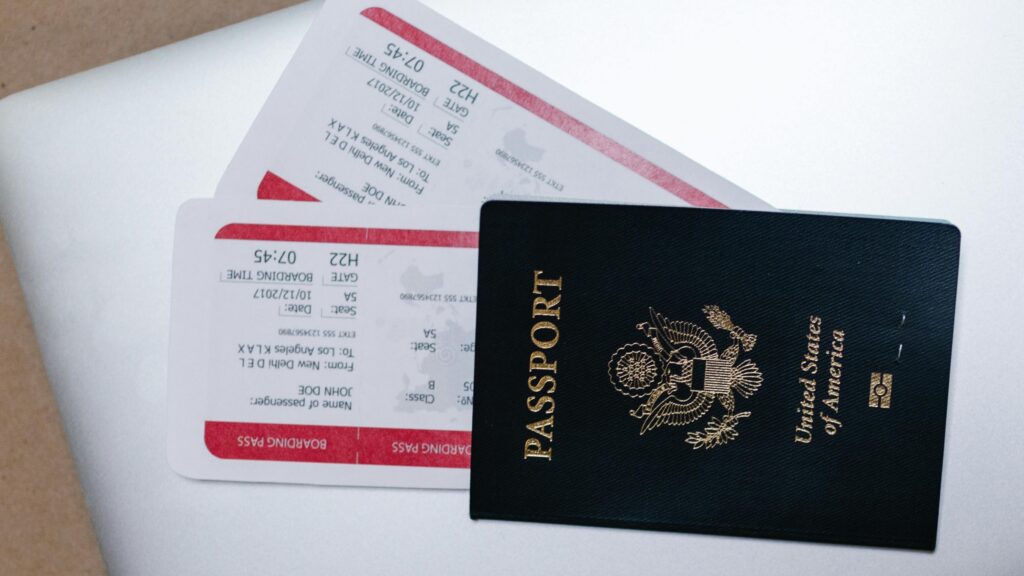
Europe’s external borders are going digital. The EU replaces traditional passport stamps with biometric entry checks. A long-planned overhaul aims to boost security, catch overstays more effectively and give authorities clearer picure of who is moving within the Schengen Area.
The EU has switched to digital border management with the full rollout on Friday. The Entry/Exit System (EES) replaces manual passport stamping with biometric data collection of the non-EU citizens across the Schengen Area. This should speed up border crossings while enhancing security and migration control.
For non-EU travellers, the change is immediate and tangible. Instead of a quick stamp, first-time visitors will now need to stop at automated kiosks to register their data — a process that may initially take longer than what they are used to.
Visitors entering the Schengen Area for short stays —up to 90 days within a 180-day period— must provide personal and biometric data upon their first entry. This includes information from their travel documents, such as full name and date of birth, as well as fingerprints and a facial image. Each entry and exit is digitally recorded. The system is very similiar to the one used by the UK with ETA.
Once registered, the data remains valid for three years. During that time, subsequent border crossings become faster, requiring only a fingerprint or facial scan. Travellers who refuse to provide biometric data will be denied entry.
To prevent frauds
EES, first introduced in a phased rollout in October last year, is fully operational across 29 European countries. Beside the EU member states it also includes Iceland, Liechtenstein, Norway and Switzerland. Cyprus and Ireland are not part of the system.
According to the European Commission, the system is designed to replace a process long seen as outdated and unreliable. The main advantage, officials say, is accuracy. Digital records make it easier to detect overstays, identity frauds and misuse of visa-free travel. These problems were harder to track with physical passport stamps. It also gives authorities better tools to identify risks, prevent irregular migration, and support investigations of serious crimes and terrorism.
More than 24,000 people have been already refused entry during the rollout phase, due to issues such as expired or fraudulent documents or insufficient justification for travel. Over 600 individuals have been flagged as potential security risks.
Mobile app under way
Data protection remains a central aspect of the system. Personal data will typically be stored for three years from the last recorded exit, or up to five years in cases where a traveller does not leave the Schengen Area within the authorized period. The data cannot be shared with third parties except under specific legal conditions.
Moreover, according to the Airport Council International (ACI), the Schengen Border Code forbids discrimination against persons on grounds of sex, colour, ethnic or social origin, genetic features, language, religion or belief, disability, age or sexual orientation.
To streamline the process further, the EU has introduced the Travel to Europe mobile app. It allows travellers to pre-register their passport details and facial image up to 72 hours before arrival. At this stage, the app is available when entering in Sweden and in Portugal. Soon it should expand to other countries, though it will not replace the mandatory border checks. “Using the app is optional, but it can help you save time and speed up border checks,” says the EC website.