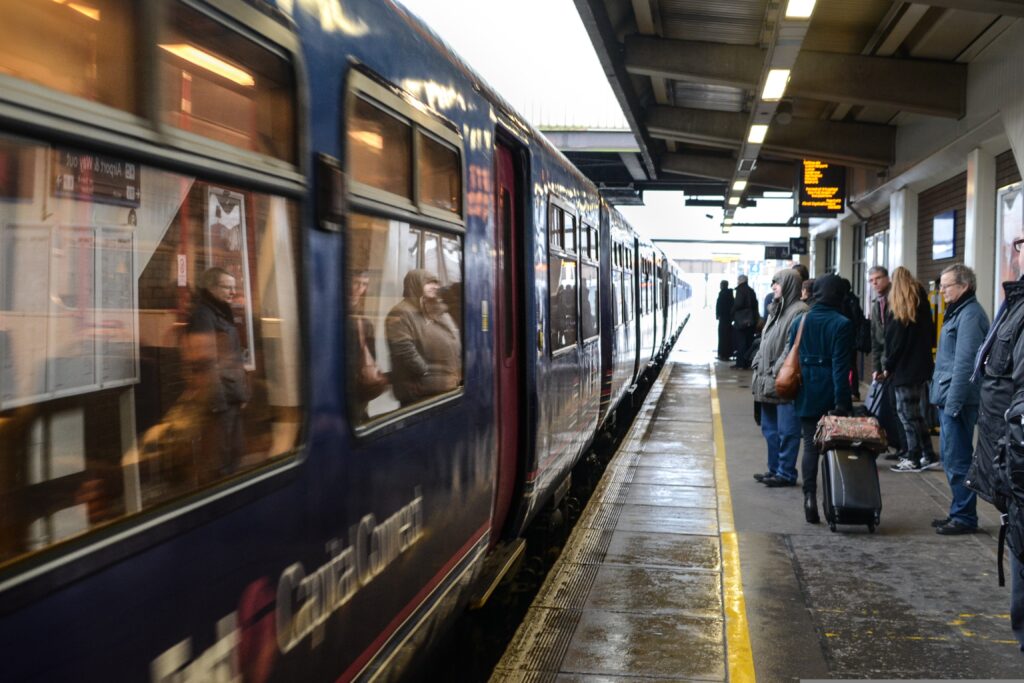
Border checks may be gone across much of Europe — but train passengers still get stuck at national borders. This is because rail capacity and timetables are planned mostly country by country, so schedules on each side of the border do not always match. New legislation adopted by the European Parliament aims to fix this problem.
Cross-border rail services in Europe could become more reliable. The Parliament approved new rules on how to plan railway capacity across the EU. The regulation, already agreed by governments in April, aims to make better use of the bloc’s rail network. That should reduce delays at borders and encourage passengers and freight operators to shift from road and air to railway.
It should also improve cooperation between national infrastructure managers, while leaving them in charge of traffic planning and train scheduling within their own networks.
“New rules will ensure better planning‚ usage and coordination of railway infrastructure in the EU. It will ease cross-border train traffic and will allow for more trains on the network‚ without major investments,” rapporteur Tilly Metz (Greens-EFA/LUX) said. She added that the agreement is “good news for the freight sector that currently faces huge challenges”.
Better planning for rail capacity
This is particularly important for cross-border passenger and freight services. They are more exposed than others to congestion, maintenance work and limited coordination between national infrastructure managers, potentially creating bottlenecks at internal EU borders. For example, trains travelling between Germany and Poland or France and Spain often face delays when crossing borders because railway capacity is planned separately on each side of the border.
The new approach to rail capacity planning is based on three steps: long-term five-year planning‚ annual scheduling, and adjustment when necessary. Each member state will still be responsible for managing its own rail infrastructure‚ traffic and allocating capacity slots. The goal is to make the new system more predictable and better coordinated across borders․
To improve coordination, the European Network of Infrastructure Managers will get more powers to manage cross-border rail capacity and traffic. It will monitor national managers and make sure their plans align with EU goals, including shifting more transport to rail. MEPs also strengthened the role of rail operators in planning decisions. They may create a European platform to advise the network.
Penalties for disruptions
Rail managers or operators can face penalties if they fail to deliver on allocated paths, especially when it affects competition. Fines shall be effective‚ proportionate‚ dissuasive and non-discriminatory. They will range from €1 to €8 per kilometer‚ depending on how serious the disruption is, and can rise to double for more severe cases.
Countries can only be exempt in exceptional situations, such as emergencies, crises or risks to public order or security.
This vote comes at the same time as the Commission announced plans to improve rail ticketing and passenger rights for international train travel. Together, the two proposals aim to make rail travel easier and more attractive than travelling by road or air.