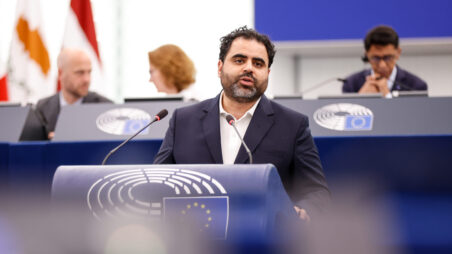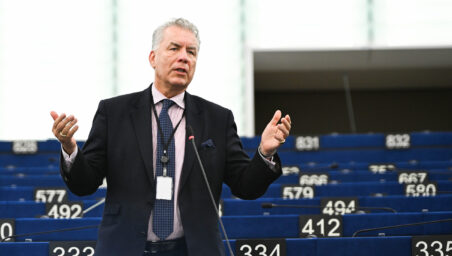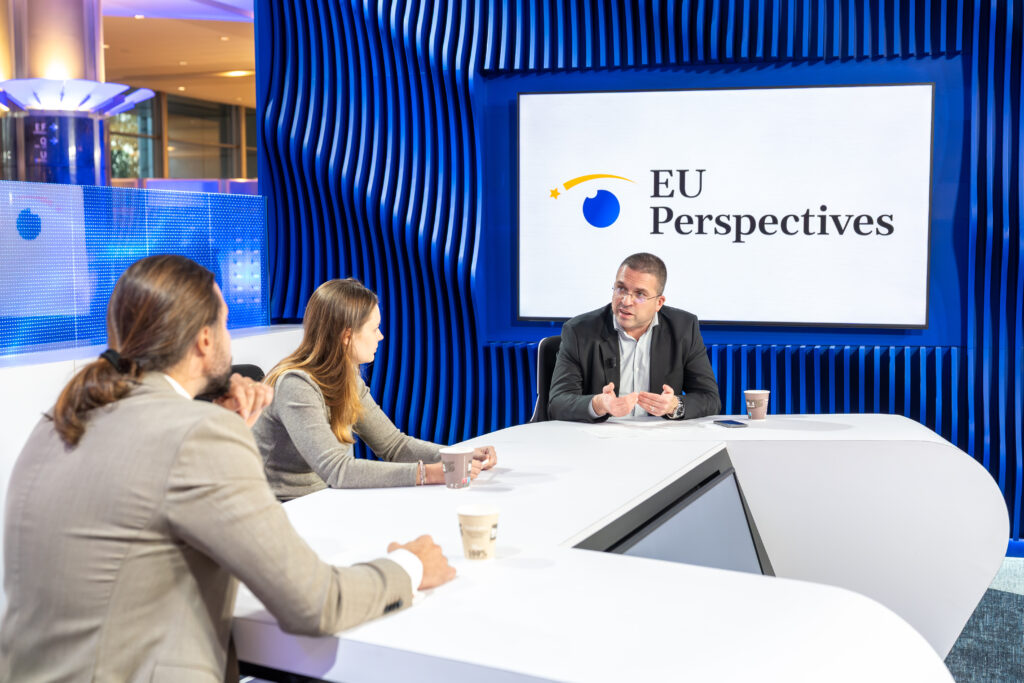
Speaking on the EU Perspectives podcast, Croatian MEP Tomislav Sokol (EPP) says Europe’s mounting mental-health crisis has reached a breaking point, with nearly half of citizens reporting depression or anxiety last year and economic losses topping €600 billion annually. He argues that despite clear warning signals—intensified by COVID-19—the EU still lacks the coordination, data and primary-care investment needed to close stark cross-country gaps in treatment and capacity.
Tomislav Sokol, Croatian MEP and member of the European People’s Party Group, says the human impact alone should have been enough to force action. “Almost half of the population… reported they suffered from depression or anxiety during the last year,” he notes, calling it a signal that can no longer be ignored. COVID-19, he adds, only intensified what was already building beneath the surface: “After COVID, this has really come to the forefront. We see how this problem has culminated.”
He points out that the economic toll mirrors the social one, with mental-health conditions costing Europe an estimated €600bn a year—about four percent of EU GDP—in health-care spending, lost productivity and wider social costs. “That,” the MEP says, “speaks for itself.”
Even so, across the continent, access to care—and improvement—depend heavily on a patient’s postcode.
“In some countries, you have less than 10 psychiatrists per 100,000 people, while in some others, you have almost 30… In some countries, you have less than 10 beds per 100,000 people, while in other countries, like in Belgium, you have around 130, 140,” Mr Sokol notes. The gaps extend beyond capacity and into philosophy, with some nations prioritising community-based care and early detection, while others remain reliant on hospitals and late-stage treatment. Meanwhile, others opt to shake the system from the ground up.
The Czech example
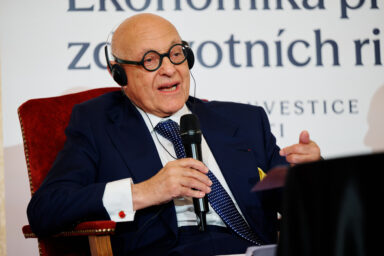
For Ivan Duškov, Deputy Director of the General Health Insurance Company in Czechia, the EU’s ability to fund transformation has already proven decisive. He cites his country’s recent shift away from institutional care.
“European structure and investment funds were essential for the transition… from the hospital-based care to the community-based care.” That cash, he says, didn’t merely support infrastructure — it helped launch the reform itself.
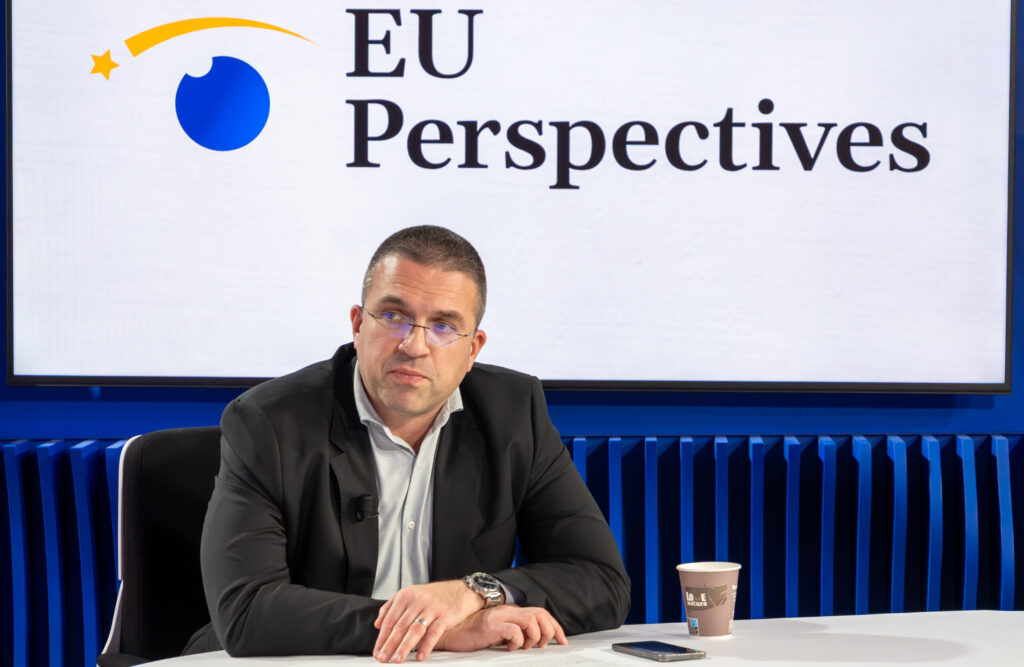
Despite Czechia’s willngness to implement reforms, Mr Sokol argues that on the whole data and coordination remain the EU’s most underused tools. “The first stage is gathering of information… so that we can actually compare what’s going on in different member states. And this can be the basis to make future policy decisions.” Without harmonised methods, member states simply “cannot resolve” disparities on their own.
Both men return agree on one clear systemic weak point: primary care. Mr Sokol says COVID exposed the consequences of treating general practice as an afterthought. “Primary care is not seen as very attractive… investments in primary care have not reflected the importance of this part of the system.” For him, integrating mental-health detection and early diagnosis into GP surgeries is essential — but only if countries invest in training. “General practitioners… are just not trained enough to do that,” he admits. Upskilling, he says, must become a continental priority.
Workforce shortages remain acute across the EU, particularly in rural and poorer regions.
“We have a problem with health workforce across the EU, but extremely big imbalances… usually coverage in big cities is okay, in Western Europe, Northern Europe is okay, but in some less developed rural regions… access to health care is a major problem, not to mention access to psychiatrists,” MEP Sokol warns. EU programmes are already paying for specialist training in countries like Croatia, but he argues this should become systematic.
Ministerial approaches
For Mr Duškov, the challenge extends beyond the health ministry. Tackling mental-health problems requires linking education, labour and social policy. “We have to tackle with this problem on the governmental level… we have a governmental council for mental health, and we can integrate all the relevant inputs on this base.”
Both experts agree Europe knows the solutions: prevention, early detection, strong primary care, trained staff and targeted EU funding. What the continent lacks—still—is scale and and a far greater sense of urgency. As Mr Sokol puts it, mental health is “a major issue” that affects “families, neighbours, friends, and communities”. Its consequences are already woven into Europe’s social fabric; responding with effective solutions, though, remains difficult and sometime elusive. Real change requires greater coordination and hard determination to begin improving conditions.