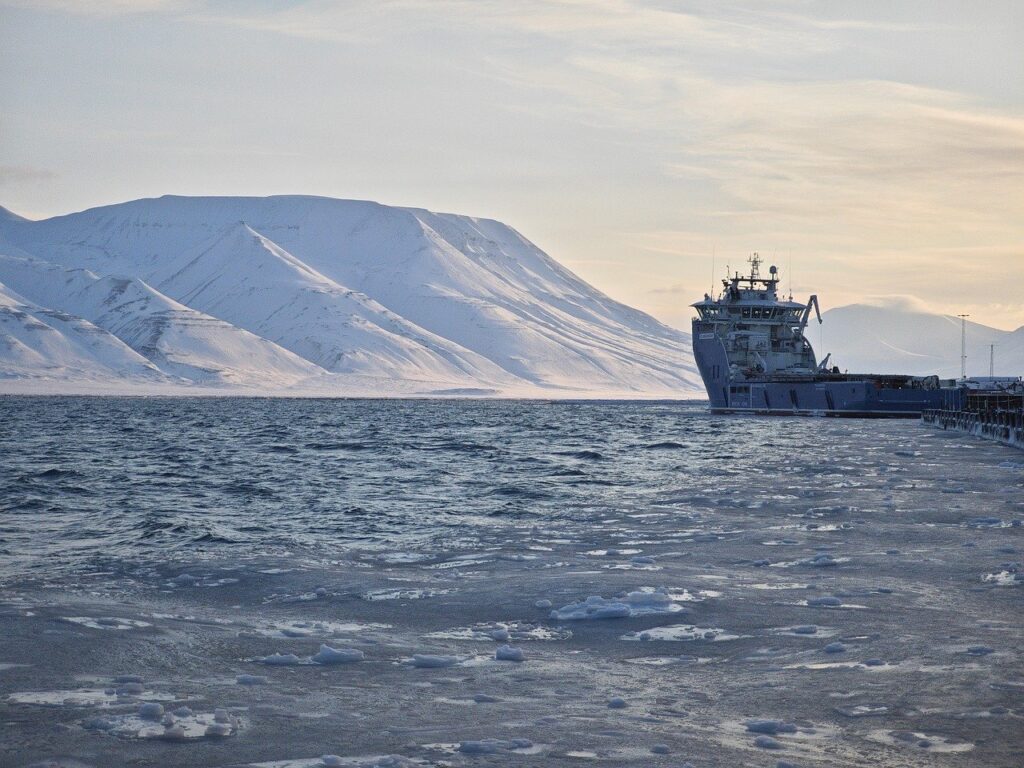
The Arctic region is “rapidly becoming a strategic theater of geopolitical competition, military buildup, energy transformation, and global environmental change,” said MEPs in Strasbourg. In a resolution adopted on Wednesday 26 November – with 510 votes in favour, 75 against and 80 abstentions – MEPs stressed that the Arctic must remain governed by the principles of international law and anchored in multilateral cooperation.
The European Parliament is urging the EU to adopt a more robust, security-focused approach to the rapidly transforming Arctic region, warning that mounting geopolitical pressure, military activity and environmental change are reshaping one of the world’s most strategically sensitive frontiers.
Growing militarisation raises alarms
With this vote, parliamentarians condemned what they describe as the accelerating militarisation of the Arctic, pointing to Russia’s extensive military restructuring, including the creation of its new “Maritime Collegium”. Combined with China’s expanding strategic interest in the region, these developments have heightened geopolitical tensions and undermined long-term stability, they warned.
The EU needs a smart strategy to face the Arctic’s growing geopolitical importance and, among other efforts, I hope to see Iceland, Norway and Greenland joining the EU in the near future. – Urmas Paet, rapporteur and MEP (Renew/EST)
To counter this trend, MEPs called for stronger cooperation with NATO allies, emphasising that EU-US coordination is essential to contain both Russian and Chinese influence and to uphold the security architecture surrounding the High North.
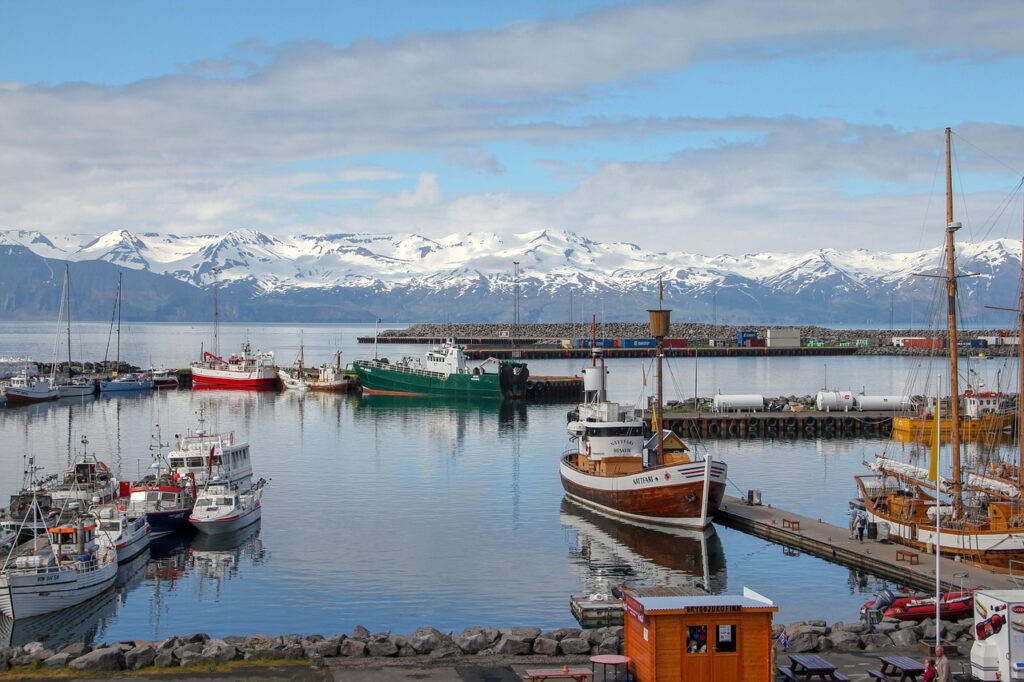
MEPs highlighted Norway’s central role in EU energy security and noted the rising support in Iceland and Greenland for closer ties with the 27-member bloc. They encouraged the EU to deepen strategic and economic partnerships in the region and to promote the advantages of potential EU membership “if and when” the populations of those territories express such a desire. Rapporteur Urmas Paet on the file (Renew/EST) described the moment as a turning point for Arctic policy.
“In recent years, we have experienced significant turbulence in world politics. This is having a clear effect on the Arctic region,” he said. “The EU needs a smart strategy to face the Arctic’s growing geopolitical importance and, among other efforts, I hope to see Iceland, Norway and Greenland joining the EU in the near future.”
Securing underwater infrastructure
Recent incidents in the Baltic Sea involving Russia’s so-called shadow fleet and Chinese vessels have prompted fresh concerns over the vulnerability of Europe’s maritime infrastructure. MEPs urged the EU to significantly improve the protection of critical underwater assets in the Arctic, particularly submarine cables and pipelines, including those near Greenland, and to tighten sanctions and countermeasures against potential hostile activity.
They also insisted that Arctic governance must remain anchored in UNCLOS, the UN Convention on the Law of the Sea. With competition intensifying along maritime routes such as the Northern Sea Route, MEPs rejected unilateral territorial or navigational claims and urged the EU to defend international law against attempts to legitimise disputed shipping corridors under the guise of scientific or economic cooperation.
Critical resources and climate change impact
Beyond security concerns, the resolution underscores the Arctic’s importance to Europe’s strategic autonomy. The region’s supply of essential resources including those vital for the green and digital transitions is increasingly seen as a buffer against dependence on authoritarian regimes.
For the consequences of the climate change into the region, the Arctic’s vulnerability to global warming remains a critical concern. MEPs called for urgent improvements in adaptation strategies, stressing that climate impacts in the region also carry a significant security dimension. Crucially, they underscored that Arctic Indigenous peoples must be fully included in policymaking, recognising their role as key stakeholders and knowledge holders.