Manufacturers of generic medicines have filed a lawsuit with the European Court of Justice in an effort to block the Urban Wastewater Treatment Directive. The new system, they claim, would impose costs worth hundreds of percent of some key drugs’ market value, making its production economically unsustainable.
Medicines for Europe, representing pharmaceutical giants such as Sandoz, Teva Pharmaceutical Industries, Zentiva, and STADA Arzneimittel, decided to take this radical legal step after the Court of Justice of the European Union rejected their original complaint on procedural grounds, without addressing the substantive core of the problem.
At the heart of the dispute is the directive on urban wastewater treatment. It introduces an obligation for pharmaceutical and cosmetics manufacturers to finance so-called quaternary wastewater treatment aimed at micropollutants. However, according to the manufacturers, Brussels worked with completely unrealistic figures when drafting the rules.
While the European Commission estimates the costs to be significantly lower, the industry’s economic models speak of a burden of up to €11 billion per year. This vast discrepancy allegedly stems from incorrect toxicity data. According to the association, analyses based on data from the European Medicines Agency show that the monitored molecules account for less than 1% of chemical residues — not 58%, as claimed by the European Commission.
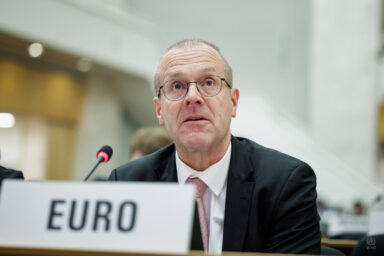
“This appeals process is about ensuring that Europe does not expose patients to risk through poorly designed legislation. We need laws to protect the environment. But they must be science-based and go hand in hand with preventing medicine shortages,” said Adrian van den Hoven, Director General of Medicines for Europe.
He was joined by Steffen Saltofte, Chief Executive Officer of Zentiva and Chairman of Medicines for Europe. “Generic medicines form the foundation of affordable healthcare in Europe. If disproportionate costs are imposed on essential medicines, their supply becomes economically unsustainable, and patients will ultimately bear the consequences. Environmental protection and public health go hand in hand. One should not be sacrificed for the sake of the other,” he said in a press release.
Costs could rise by hundreds of percent
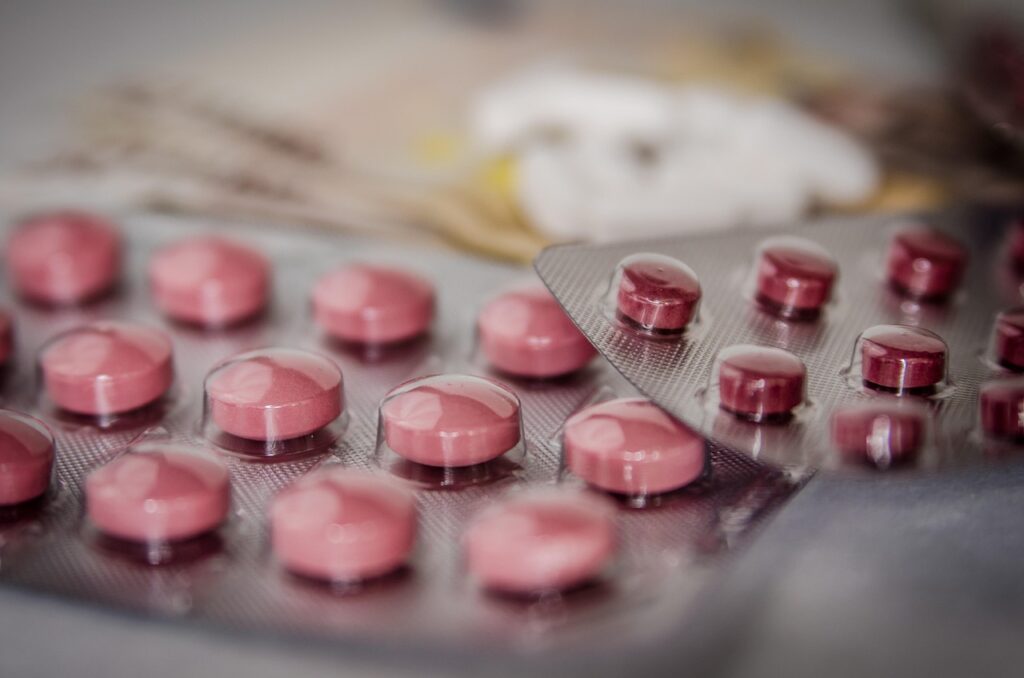
According to Medicines for Europe, the impacts on specific medicines are alarming. For example, in the case of epilepsy drugs such as Levetiracetam, costs could increase by 322%. This would make it practically unavailable to pediatric patients. The situation is even more drastic for Metformin, which is used by 16 million diabetics in the EU. Here, the fees could reach up to 875% of the medicine’s value.
Manufacturers warn that in the generics segment, where profit margins are minimal, such a burden is unsustainable. Companies would have no choice but to cease production, while switching to alternative treatments could, for example in the case of diabetes, increase healthcare costs by as much as twenty-five times.
“Without a solution, there is a threat of preventive withdrawal of medicines from circulation, restricted supplies, and increased unpredictability for healthcare systems. Any correction during implementation will come too late to prevent significant damage to public health,” the companies warn.
Medicines cannot simply be made “greener”
According to generic medicine manufacturers, the environmental motivation behind the directive also collides with the technological reality of pharmaceutical production. They argue that, unlike in other industries, the active ingredients of medicines cannot simply be “greened” or replaced with more environmentally friendly alternatives without losing their effectiveness or requiring billion-euro investments in new clinical trials with uncertain outcomes.
In the case of antibiotics such as Ciprofloxacin, efforts to modify them could paradoxically lead to the need for higher dosages, which would further accelerate the threat of antimicrobial resistance.
At the same time, the time for finding a solution is rapidly running out. The fees for 2029 will be calculated based on sales in 2028, which means pharmaceutical companies must make irreversible decisions about continuing production for the European market already now.