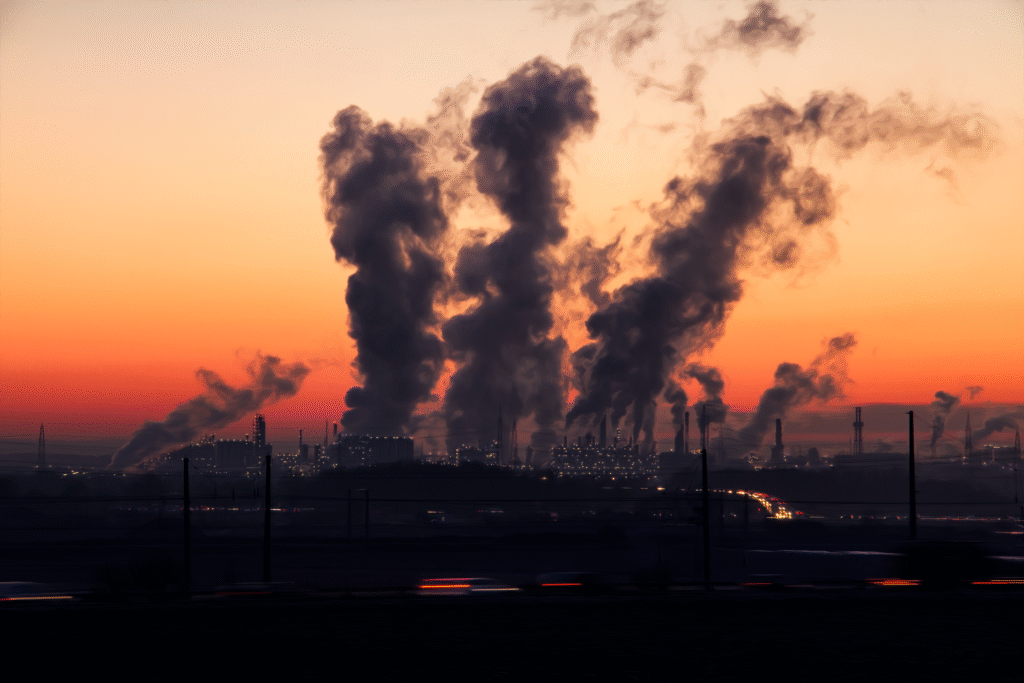
The European Union has hit a milestone — cutting greenhouse gas emissions by 40 per cent since 1990, with official UN data confirming a further 3 per cent drop in 2024 alone. But the achievement masks a growing problem: transport emissions keep rising, forests are losing their capacity to absorb carbon, and the EU’s 2030 climate targets remain out of reach. The easy wins are gone.
The findings come from the annual EU greenhouse gas inventory, submitted to the UNFCCC by the European Environment Agency on 15 April. It is the most comprehensive emissions audit the bloc produces. The 40 per cent reduction covers net domestic emissions across all sectors and nearly all member states. But the same data shows the EU needs to cut emissions by 55 per cent by 2030. At the current pace, it will not get there.
The biggest cuts have come in electricity, heating, and heavy industry. Emissions from electricity and heat generation have fallen 58 per cent since 1990, driven by the rapid decline of coal and the rise of renewables. Coal consumption in 2024 was less than a third of its 1990 level. Solid fossil fuels used in power generation fell 68 per cent over the same period; liquid fuels fell 86 per cent.
Natural gas use has risen since 1990, but its emissions have fallen nearly 18 per cent since 2022 as renewables have expanded. Wind and solar now take a growing share of the energy mix, while efficiency improvements have cut energy demand in both industry and buildings.
Homes and factories follow suit
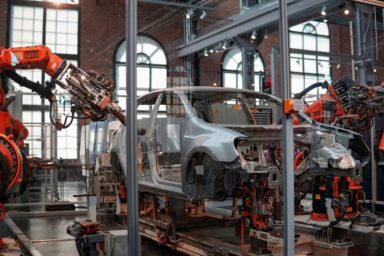
Emissions have also fallen in manufacturing, construction, and residential heating. In homes, lower energy demand reflects better insulation, more efficient heating systems, and warmer winters reducing the need for space heating.
In industry, emissions have fallen most sharply in iron and steel, though output levels still influence the pace of reduction. The EEA noted that the trend is broadly shared: “almost all member states have contributed to the overall reduction.”
Transport goes the wrong way
Transport is the glaring exception. Road emissions keep rising despite more efficient engines and a growing fleet of electric vehicles. Demand for both passenger and freight transport is simply growing faster than technology can offset. For ordinary Europeans, that means the car and the lorry remain the biggest climate blind spot in their daily lives.
The problem is not just technological. Without a shift in how goods and people move across Europe, cleaner vehicles alone will not be enough.
The harder miles ahead
Not all indicators are moving in the right direction. Europe’s forests are absorbing less carbon than before, weakened by aging trees, increased harvesting, and climate change. HFC emissions from refrigeration and air conditioning surged for decades but have now fallen for ten consecutive years, thanks to EU phase-down measures.
The easy wins are gone.
The milestone matters, but the harder work lies ahead. The gains from coal phase-out and efficiency improvements are largely spent. Transport, land use, and resistant industrial sectors will require deeper and more costly change.
Transport has become the test case for Europe’s entire climate ambition. Cleaner engines and electric vehicles help, but they are not enough. Without a fundamental shift in how goods and people move, the gains made elsewhere will be eaten up — and the EU’s 2030 targets will slip further out of reach.