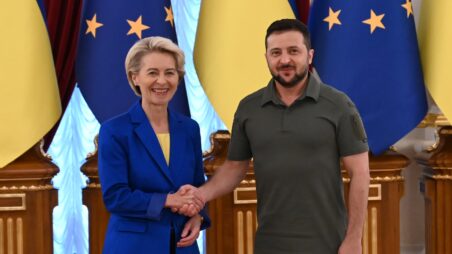
The Iran conflict has cost the EU over €22 billion in fossil fuel imports in just 44 days. The bloc is now facing its second energy crisis in three years. European Commission President Ursula von der Leyen convened an emergency College meeting on Monday, calling Europe’s dependence on fossil fuels ‘excessive’. The Commission will consult member states this week on suspending state aid rules in the energy sector.
Even if hostilities were to cease immediately, von der Leyen warned, the disruption to energy supplies from the Gulf will persist. The Strait of Hormuz is “effectively closed, and citizens are immediately affected,” she told reporters at the Berlaymont building. The Temporary Framework will follow within the month.
Von der Leyen did not mince her words. Europe is paying a high price for its ‘excessive’ dependence on fossil fuels, she argued. The situation is unlikely to improve soon. “The sad reality for our continent is that fossil fuel energy will remain the most expensive option for years to come,” she said.
A push for energy autonomy
Yet the Commission sees opportunity alongside the crisis. “We have electricity produced in Europe from renewable sources and nuclear power, and so our decarbonisation strategy has not only been confirmed in recent years, but is becoming increasingly important day by day,” von der Leyen said.
Investments must be made in energy autonomy and storage, but private investment must also be mobilised. — Ursula von der Leyen, European Commission President
Von der Leyen called on member states to boost domestic energy production and modernise their energy systems. Unspent EU cohesion funds offer an immediate resource, she said. “Investments must be made in energy autonomy and storage, but private investment must also be mobilised,” she added.
Cyprus summit looms large
Meanwhile, the Commission plans to present a communication on energy on 22 April. The timing is deliberate — it falls on the eve of an informal summit of European leaders in Cyprus. It will draw on tools Energy Commissioner Dan Jørgensen has already proposed and will include a package of immediate measures.
Brussels billed the Cyprus gathering as a low-key affair. The Iran conflict has changed that. Europe must now decide how to break its dependence on fossil fuels — one that has triggered its second energy crisis in three years.