‘Data sharing’ may sound mundane in a military context, but its failure can kill you. In April, allies gathered in Czechia to see if they could communicate—pass data, issue orders and shift troops—even as satellites fizzled and radios hissed. In a recent EU Perspectives videopodcast, Alliance soldiers described how they fared.
Fighting for seconds counts most when the airwaves are jammed. Searching for a clean radio channel while enemy technicians tried to block every frequency is hardly fun. But when a faint voice in an incomprehensible language finally crackles through the static, clarity—and survival—can hinge on a single transmission. A three-week drill Federated Cloud 2026 held in the south of the Central European country aimed at precisely that. Insiders call it ‘federated mission networking’.
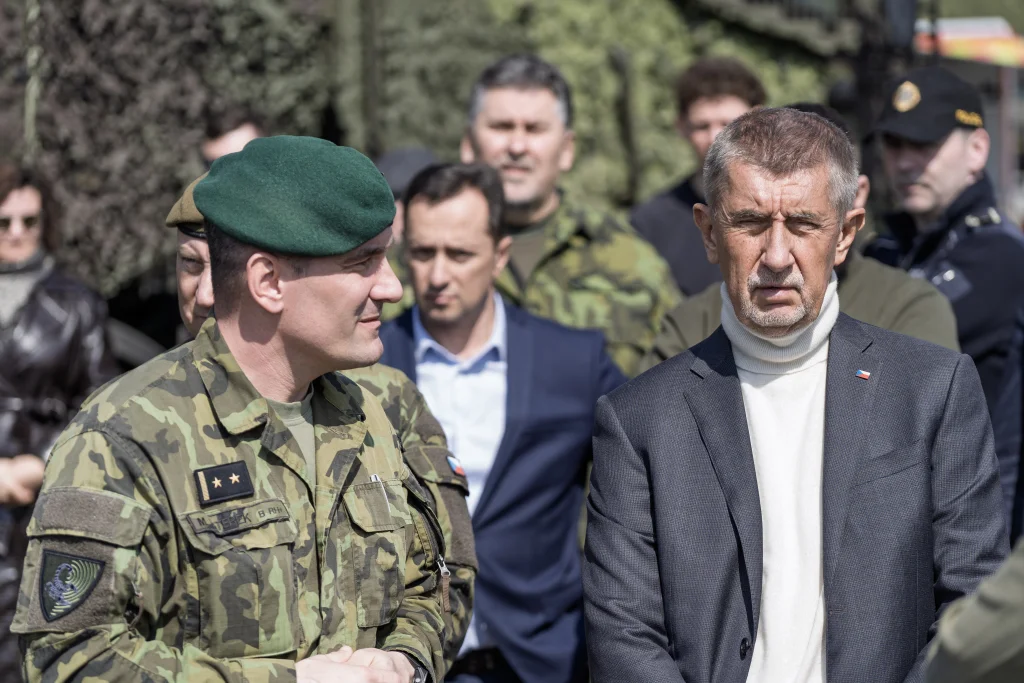
Colonel Tomáš Kosík, head of the Capabilities Planning Division of the Czech Armed Forces, has earned his spurs at NATO’s Supreme Headquarters Allied Powers Europe (SHAPE). He told EU Perspectives that the idea dates back to Afghanistan, where NATO forces found data sharing frustratingly difficult.
Eyes and algorithms
Two decades later the issue of interoperability still vexes Europe. “You could buy the most modern technology on the market, but if you cannot use it and you are not digitally competent, you need to learn how to do that,” said Col Kosík. Federated Cloud made that lesson painfully practical by jamming the very networks on which modern formations depend.
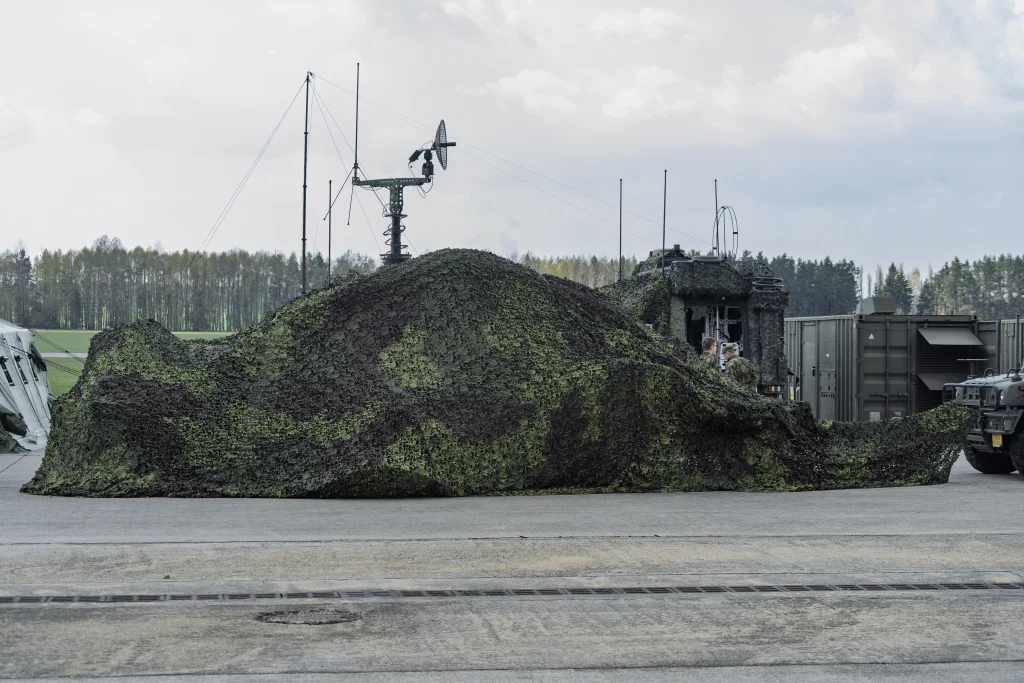
SSgt Michal Rulíšek, who spent a week with an engineer squad, felt the strain. “It was quite good. We learned a lot of things,” he said. His team tested camouflage, radio-relay links and satellite communications while electronic-warfare units tried to unpick them.
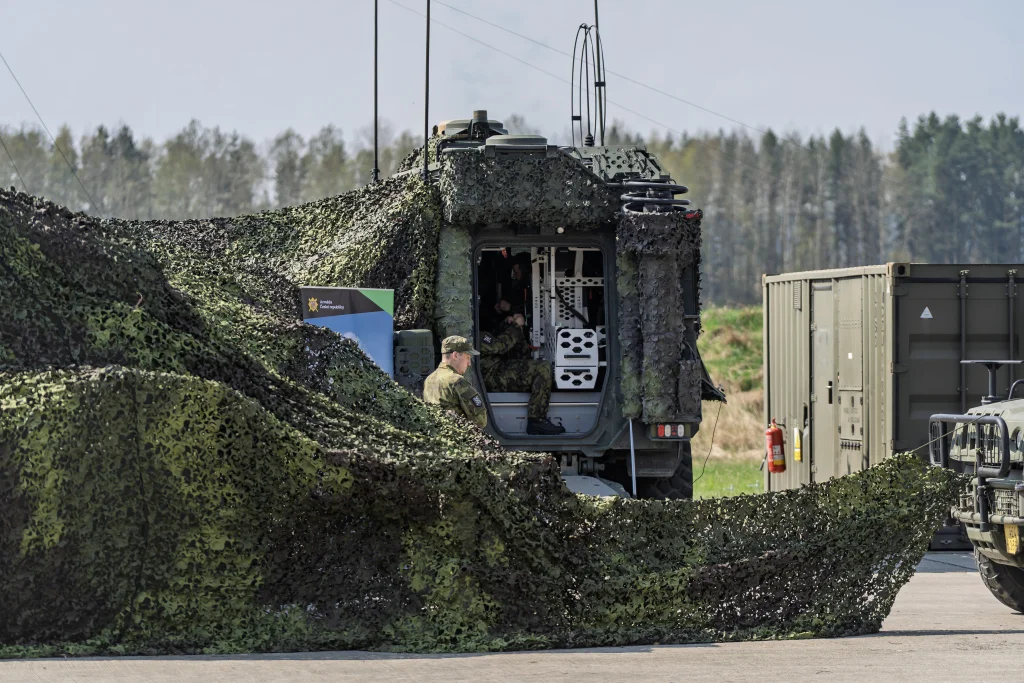
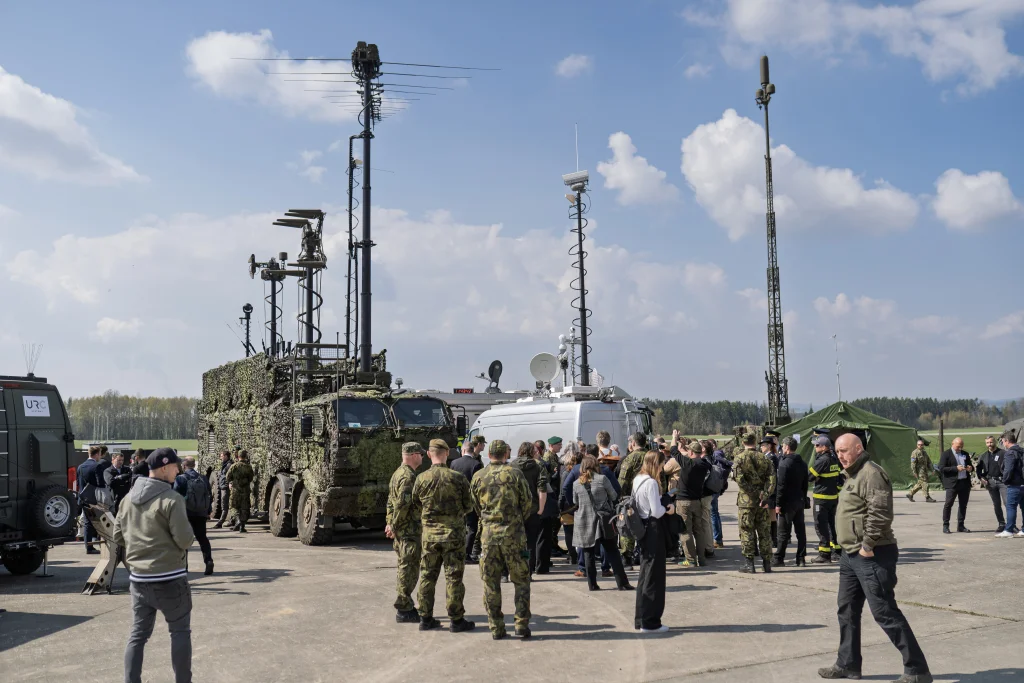
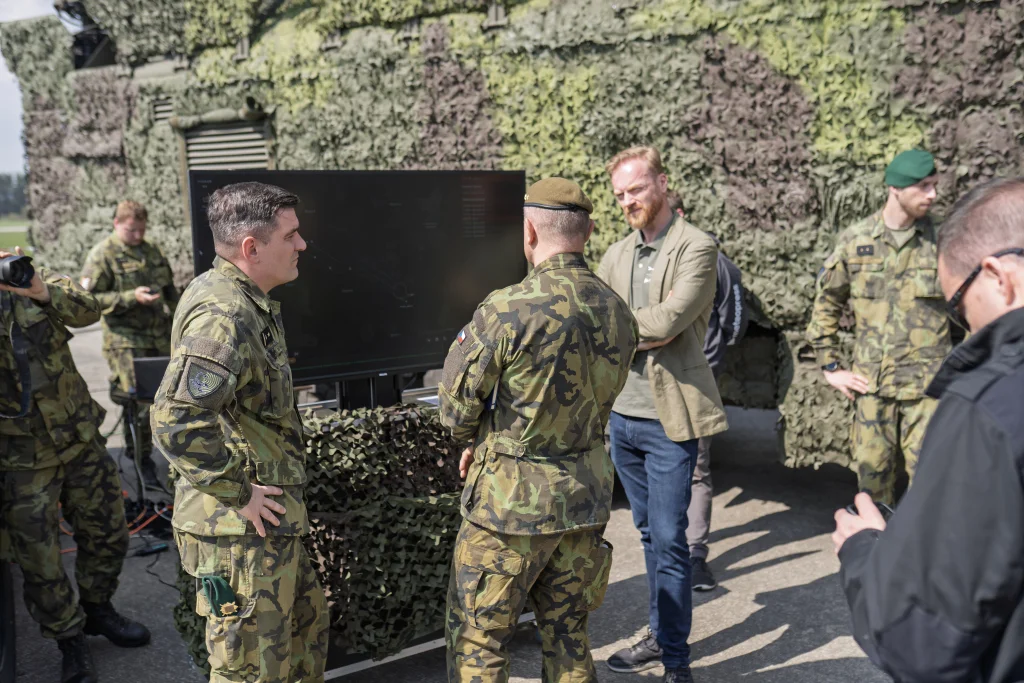
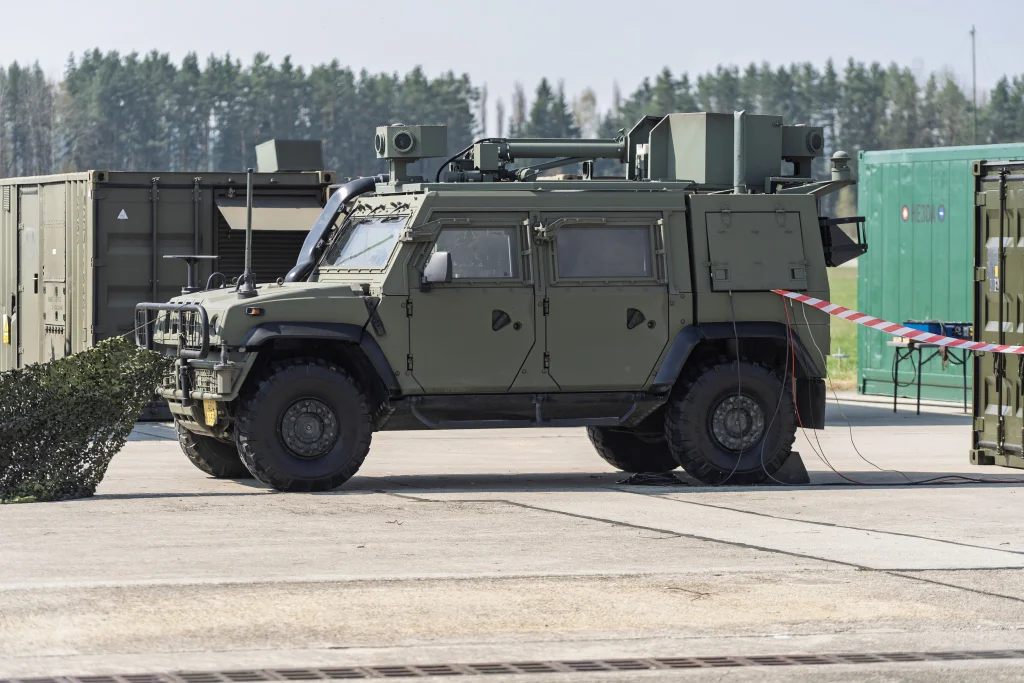
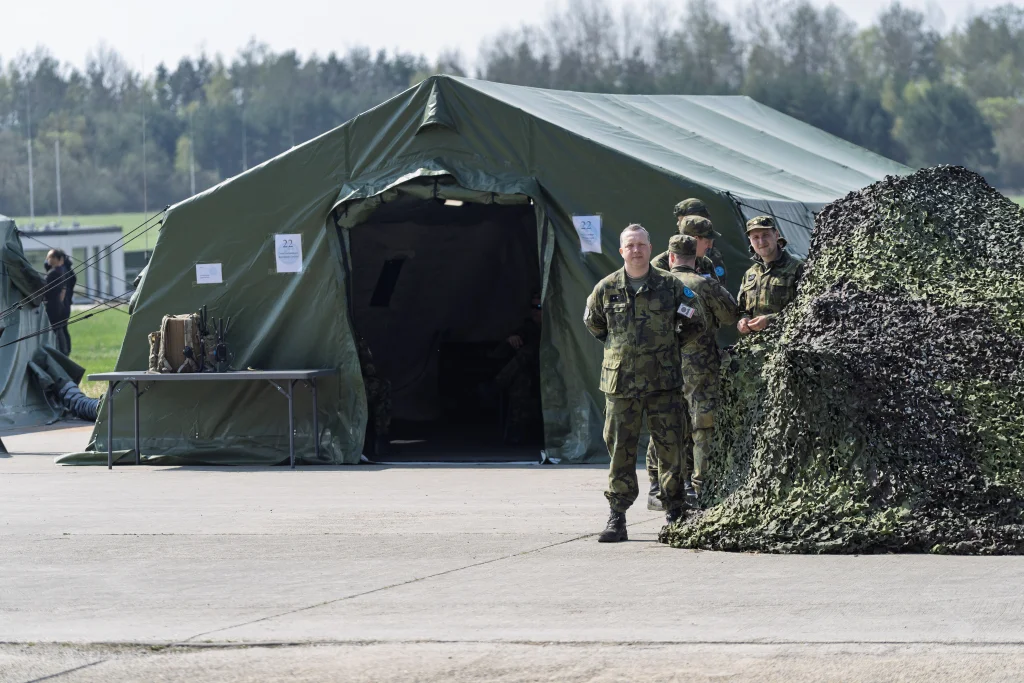
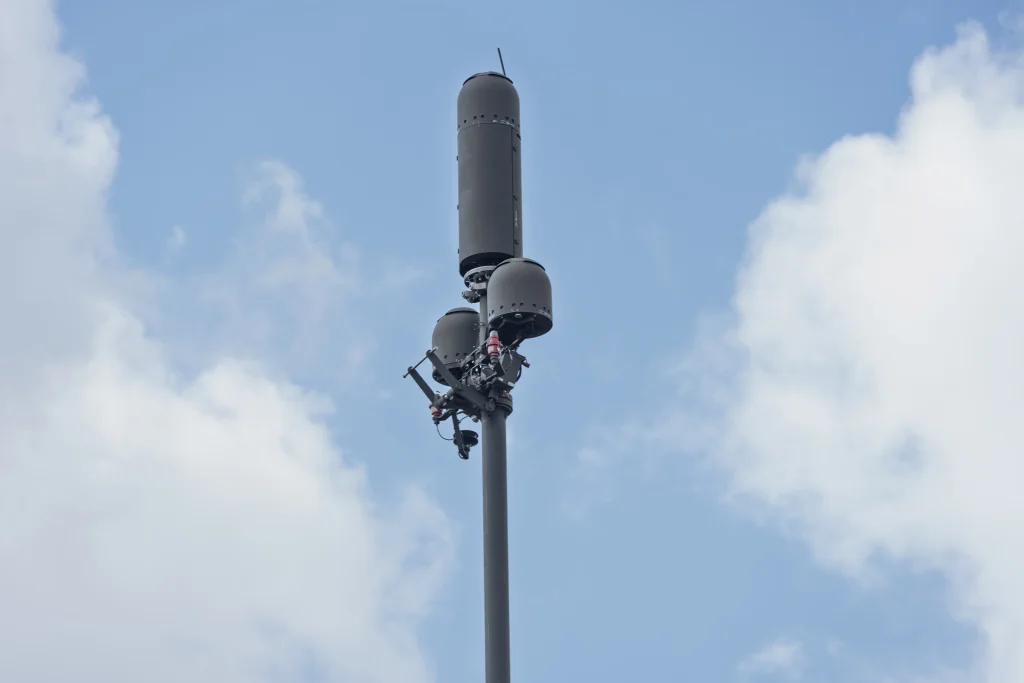
Old camouflage tricks no longer suffice. “You can be hidden from a visible spectrum, but you still will be visible in other spectrums. So this is the biggest danger for us,” SSgt Rulíšek pointed out. Drones, thermal imagers and cheap radar turn a copse into a glass house. The countertactics may involve soldiers having to mask heat plumes, ration transmissions and scatter decoys—straight out of Ukraine’s daily playbook.
Col Kosík said during the drill “really we are implementing lessons learned, as defined in Ukraine”. Ballistic-missile alerts, drone swarms, cyber probes and requests from police and firefighters all flowed into the same command posts. That fusion reflects a wider shift. Modern threats are hybrid. Battlefields leak into town halls, and first responders must share data with soldiers as briskly as with each other.
Sharing is hard. Col Kosík noted that Czech troops swap feeds with Romanian, Slovak and American partners—then must send the same feeds to civilian emergency crews. Each extra handshake risks delay or compromise.
Corridors and convoys
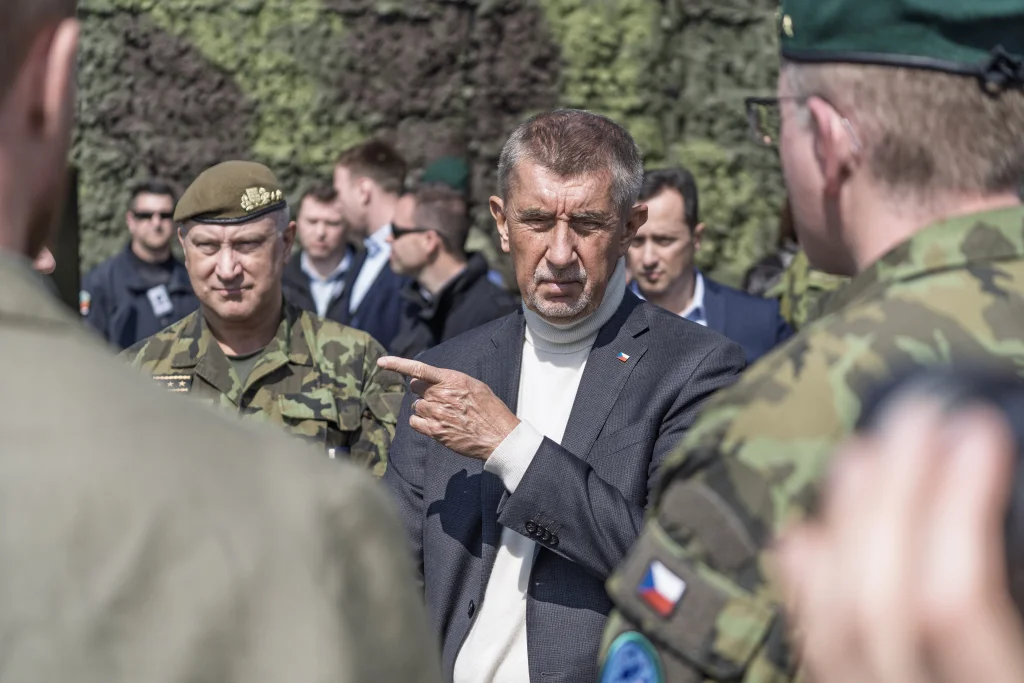
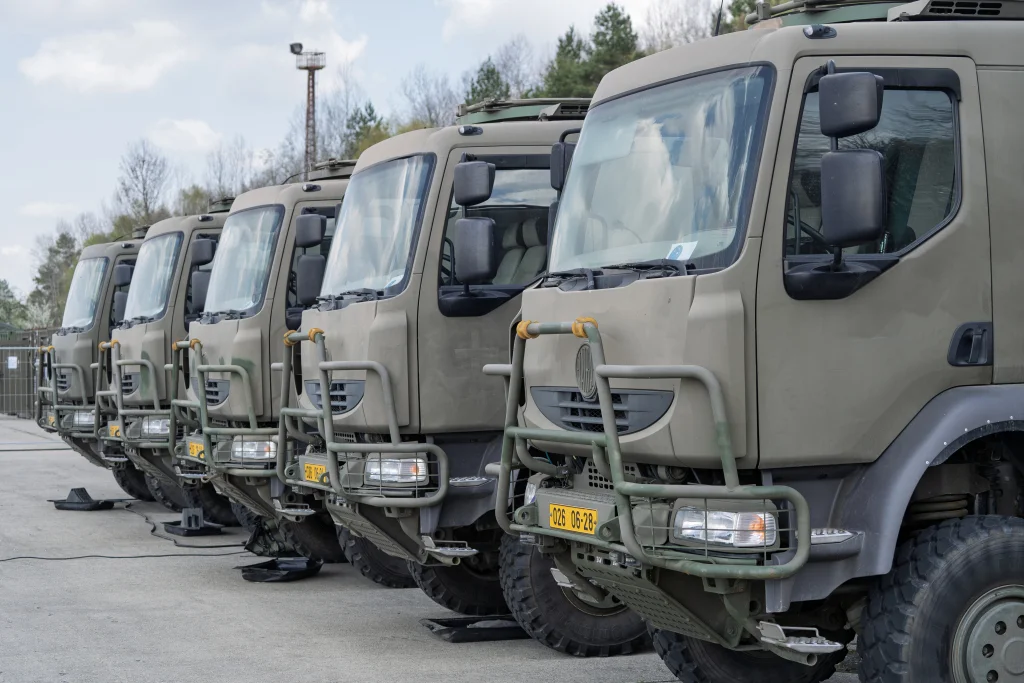
Another sore point is military mobility. The Czech Republic expects to become a transit hub rather than a battlefield. “We have to make corridors, we have to maintain the sustainability. For NATO forces, that means that there will be going like thousands of soldiers through our area,” Col Kosík said. Federated Cloud rehearsed that. This may involve opening fuel depots overnight, feeding columns and diverting them round weak bridges. The drill exposed faded road markings and patchy 5G that could stall convoys.
Speed saves lives. Soldiers practise rapid decision-making; politicians can dawdle. “The chain of commands are proved on every exercise. But of course it depends on the political decisions and the right guidance,” said Col Kosík. Federated Cloud measured the lag between a frontline sighting and a ministerial nod. The results remain classified, but experience from other countries suggests that the slowest links were seldom in uniform.
You could buy the most modern technology on the market, but if you cannot use it and you are not digitally competent, you need to learn how to do that.
— Colonel Tomáš Kosík, head of the Capabilities Planning Division of the Czech Armed Forces
SSgt Rulíšek highlighted a more prosaic brake: kit. “We underestimated this exercise and it bit us quite a lot,” he said. His section lacked an extra vehicle and handheld radios.
Connected yet exposed
Every new sensor or conduit widens the attack surface. Hackers inside the scenario bombard servers with fake coordinates, forcing operators to strip networks to a trickle. Units that had rehearsed ‘dark mode’ coped. Others froze until instructors prodded them back to life. The lesson is simple and hard: resilience costs money, time and relentless drills.
The exercise also reminded planners that no single template fits all wars. Ukraine endures massed artillery and cheap drones; the Strait of Hormuz bristles with ballistic missiles. “We have to be prepared for every scenario, every variation,” said Col Kosík. That demands modular forces, common data standards and commanders who can improvise when the script changes.
The takeaway is clear. Deterrence now rides on fibre lines, portable servers and the will to act on the information they supply. Federated Cloud shows that Europe can knit those threads — but only if it keeps testing them until they snap, then ties them back together stronger and faster than before.