A fertiliser shock that began far from Europe’s fields is now reshaping the EU’s farm support rules. As rising prices threaten food production and could add pressure to grocery bills, Brussels is speeding up emergency financial support to ensure farmers can buy fertilisers in time for the next growing season.
On Tuesday the European Parliament voted (576 votes in favour‚ with 62 against and 15 abstentions) to fast track changes to the Common Agricultural Policy (CAP) to help farmers cope with rising fertiliser prices due to the Middle East crisis. The proposal was considered and voted by MEPs under the urgent procedure.
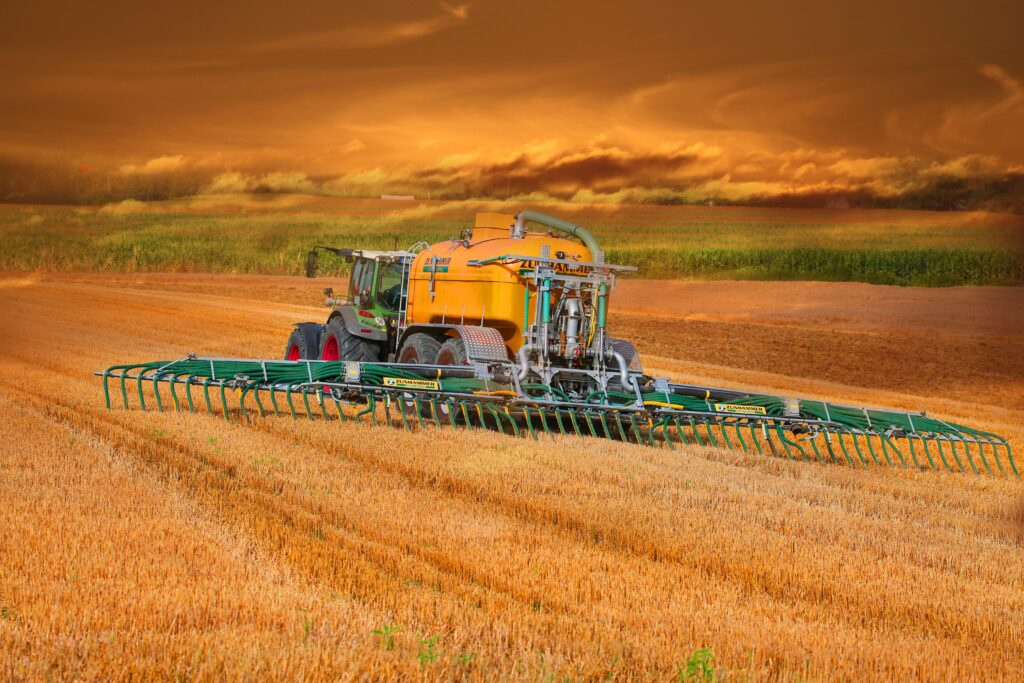
The measures are intended to prevent a decline in the quantity and quality of food. They also seek to limit upward pressure on consumer prices․ Fertiliser costs directly influence food production. They account for up to 16 per cent of farmers’ input costs.
The Commission proposal points out that high fertiliser prices would cause farmers to reduce the use of fertiliser. That would impact yields and quality. It may also leave farmers with little choice but to reduce the area they cultivate or switch to crops with lower nitrogen requirements‚ like sunflower or pulses.
Farmers get cash sooner
Under these rules‚ farmers could receive compensation covering up to 80 per cent of the extra cost of fertiliser purchases. However‚ this will only be a temporary measure and support will target the most affected farmers.
The EU may cover up to 65 per cent of eligible public expenditure. Member states can top it up with additiona national money, up to 200 per cent of the European Agricultural Fund for Rural Development (EAFRD) contribution.
The package also allows governments pay farmers a larger share of their direct payments in advances, raising the maximum from 70 per cent to 75 per cent for the 2026 claim year. They will also be able to pay them directly after farmers apply. Under current rules, those advances can normally be paid only after 16 October.
The goal is simple. Farmers need cash before they buy fertilisers, not after the season is already under pressure.
Europe’s fertiliser vulnerability
The crisis highlighted deeper issues within EU agriculture. Every year‚ 30 per cent of all nitrogen based fertilisers applied to land for agriculture in the EU‚ as well as 70 per cent of all phosphatic fertilisers‚ are imported.
EU fertiliser production also depends on natural gas. That leaves the sector exposed to global shocks‚ as seen with the recent rise in the price of fertiliser and energy. This includes Russia’s war against Ukraine and‚ most recently‚ the crisis in the Middle East. Disruptions to shipping through the Strait of Hormuz have added further pressure to global oil‚ gas and fertiliser markets․
No new EU budget impact
The proposal does not create new spending in the 2021–2027 EU budget framework. All changes need to stay within existing CAP envelope. Any support under the new fertiliser measure must be paid to farmers by 30 June 2027․
The measure is another test of whether the CAP can keep pace with global crises. For farmers, however, the priority is more immediate: getting support before the next fertiliser bills arrive.