An emergency meeting of the EU Energy Council on Tuesday focused on crafting a unified response to protect households and industries from volatile global markets. The ministers find themselves confronted by a severe price shock emanating from the ongoing conflict in the Gulf.
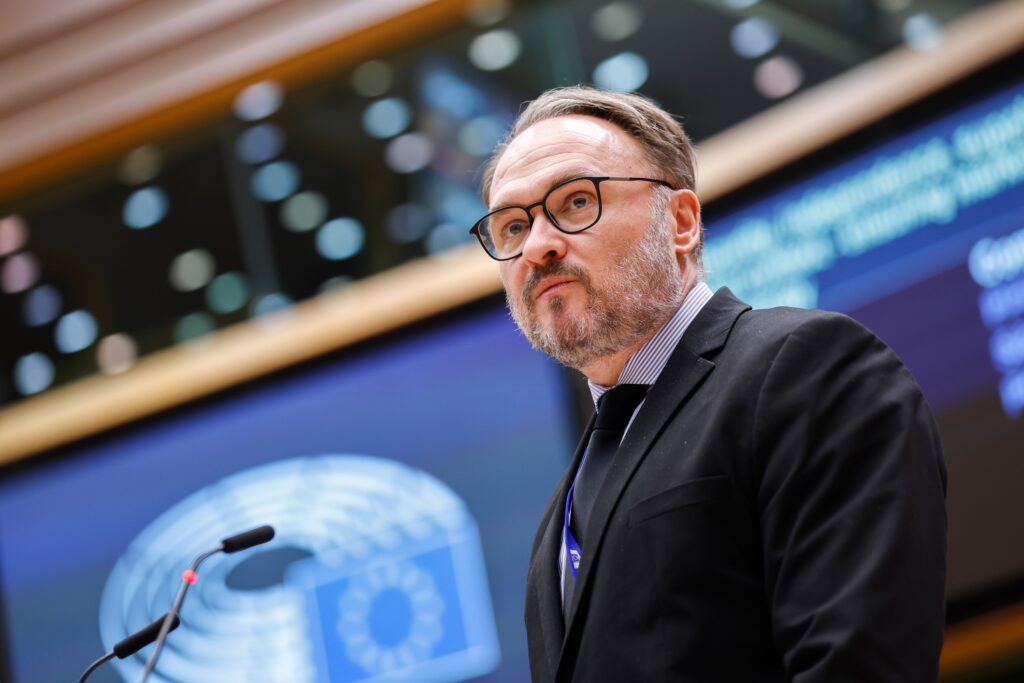
Having raised many an eyebrow with his urgent Monday plea to member states to cut down on transport, EU Energy Commissioner Dan Jørgensen ducked questions on the nuts and bolts of his plan after Tuesday’s extracurricular session of the Energy Council. “In your letter that you sent ahead of this meeting to the member states, you recommend measures especially for transport sector. What could this mean?” a Cypriot reporter asked at a press conference following the meeting. “And when will you present this toolbox? You said soon, but how soon?”
The commissioner stuck to his plea without providing details. “So, on the demand reduction measures, there is a lot to learn from the crisis in 2022, but of course there’s also the difference that the crisis in 22 were primarily a gas crisis, whereas we now of course are facing a broader range of problems, notably with regards to oil, and even more with regards to certain projects products like jet fuel and diesel,” he said. But it is clear that the more you can do to save oil, especially diesel, especially jet fuel, the better we are off.” Mr Jørgensen then said that “We will also be flexible and ready to put forward measures when and if needed.”
The cost of conflict
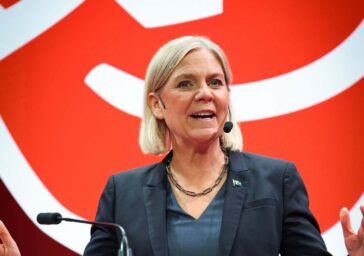
The ministers convened for an urgent video conference on 31 March with the Cypriot presidency at the helm. Both Commisisoner Jørgensen and Michael Damianos, Cyprus’s Minister of Commerce, Energy and Industry underscored the gravity of the situation while outlining a strategy balancing immediate relief with long-term energy independence.
Commissioner Jørgensen opened with stark figures to quantify the crisis. “Since the beginning of the conflict in the Middle East, prices in the EU have risen by around 70 per cent for gas and by 60 per cent for oil,” he stated.
The financial toll on the bloc is already immense. “In financial terms, 30 days of conflict have already added €14bn to the Union’s fossil fuels import bill. Fourteen billion euros,” the commissioner let the gargantuan figure sink in.
Minister Damianos confirmed that the EU’s security of supply remains “relatively safeguarded” for now, thanks to diversification efforts and limited dependence on Gulf imports. However, he identified ensuring supply for the winter of 2026-2027 as a critical priority. Both officials agreed that as a net energy importer, the EU remains acutely vulnerable to external price volatility that affects all member states.
Demand reduction
The push to reduce energy demand forma a central pillar of the immediate response. “Ministers also stressed that reducing energy demand remains central to our response,” said Mr Damianos. Mr Jørgensen pointed to the International Energy Agency’s Ten Point Plan for inspiration, which includes recommendations such as working from home where possible, reducing highway speed limits, and promoting public transport. “It is very clear that this is not, of course, something that we can see as a one size fits all package,” he noted, but encouraged all member states to adopt suitable measures.
Ultimately, officials argued this crisis reinforces the strategic necessity of the green transition. “This crisis shows us once again that Europe faces a fundamental vulnerability to external energy shocks. And this relates to our dependency on imported fossil fuels,” the commissioner stated.
In financial terms, 30 days of conflict have already added €14bn to the Union’s fossil fuels import bill. Fourteen billion euros. — Dan Jørgensen, EU energy commissioner
He presented a clear long-term vision: “Energy independence is the way forward and it is a strategic imperative economically and from a security point of view, not just for the climate — homegrown, clean energy, electrification, modernized interconnections and energy efficiency. This is the only way forward.”
Preparing the toolbox
The Commission is preparing to present a ‘toolbox of measures’ shortly. Commissioner Jørgensen confirmed this would include legal proposals on grid tariffs and lowering electricity taxes, easier deployment of financial instruments like PPAs and CFDs to decouple energy prices, and simplified state aid rules for vulnerable groups and stressed industries.
The tools from the 2022 crisis—like windfall taxes—are under consideration. But the commissioner also noted the situation is different due to the broader range of affected products and the EU’s improved resilience from more renewables and diversified suppliers.
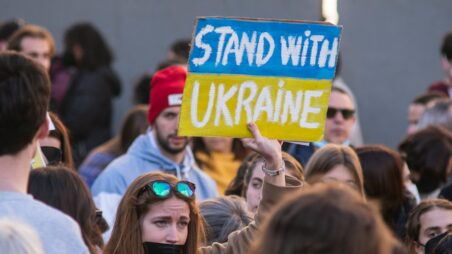
The meeting also reaffirmed the EU’s commitment to Ukraine. “Solidarity with Ukraine surfaced in the meeting by many ministers,” said Mr Jørgensen. “Ukraine can stand assured that we will not forget you.” He pledged continued support to help rebuild Ukraine’s energy infrastructure, which is regularly targeted by Russian attacks, ensuring its citizens have access to electricity and heat.
Coordination first
The cornerstone of the discussed strategy is unwavering European coordination. Mr Damianos welcomed the “broad support for the Presidency’s proposal on shaping a coordinated European response.”
He detailed that ministers agreed any measures must be “carefully designed, coordinated, targeted and tailored to the current situation while remaining fully consistent with our long term objectives, notably decarbonisation, diversification of suppliers and reduced reliance on imported fossil fuels.”
High quality data and clear guidance from the Commission will be essential for member states to respond effectively. — Michael Damianos, Cyprus’s energy minister
Mr Jørgensen vehemently warned against unilateral national actions. “It is therefore extremely important that we take action in unity and in close coordination and that we avoid fragmented national responses and disruptive signals to the market,” he said. His message was clear: “Our measures must be targeted, they must be temporary and avoid worsening supply and demand conditions.”
Storage matters
A key area for this coordination is gas storage. Ministers agreed on the need for stronger EU-level management of storage targets to prevent further price pressures and cautioned against the uncoordinated use of strategic oil reserves. Mr Damianos also stressed that “High quality data and clear guidance from the Commission will be essential for Member States to respond effectively.”
In his closing remarks, Mr Damianos added that member states had emphasised the need for unity, coordination and solidarity. They also acknowledged the risk of uncoordinated national measures that could undermine the single market.