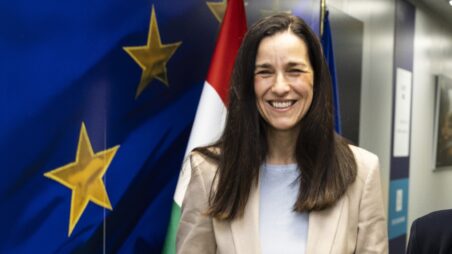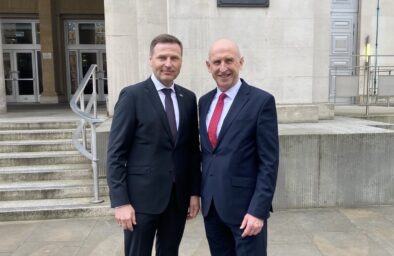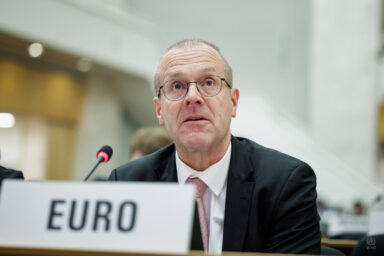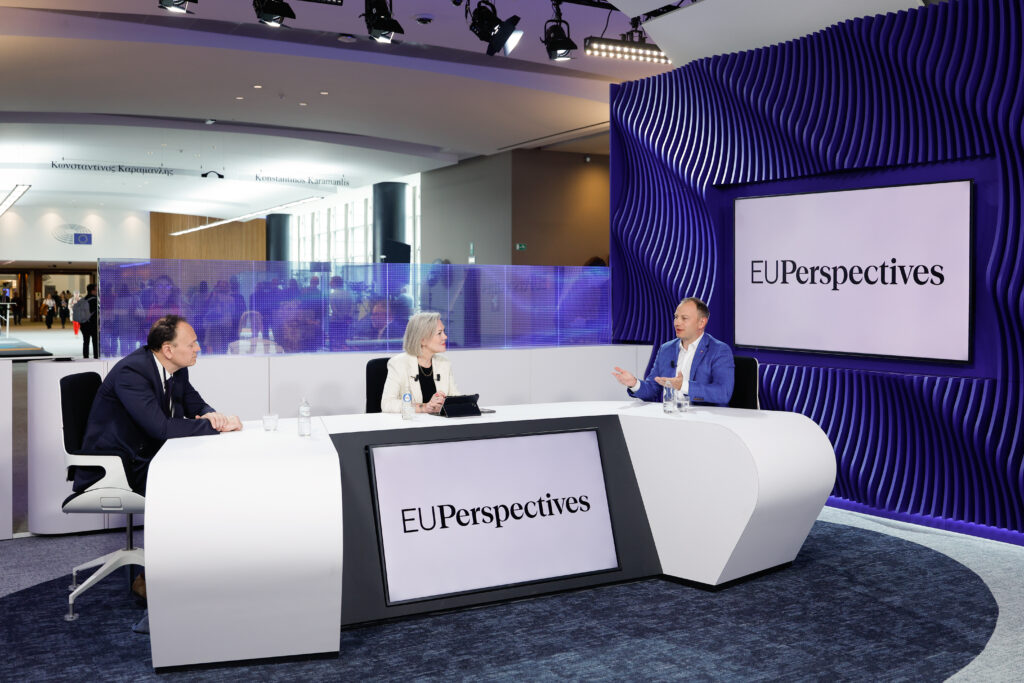
EU wastewater rules could push the price of common medicines up to seven times higher, Adrian van den Hoven, Director General of Medicines for Europe, warned in the EU Perspectives podcast, alongside MEP Ondřej Knotek (PfE/CZE). The threat to medicine supply, he said, eclipses even the war in the Middle East.
Van den Hoven was unequivocal. “This is the biggest threat to our sector. Bigger than the Iran war. Bigger than anything else out there. This is the biggest threat,” he said. The problem, he argues, is not the ‘polluter pays principle’ per se, but how the European Commission has calculated it.
The revised Urban Wastewater Treatment Directive (UWWTD) entered into force on 1 January 2025. It introduced an extended producer responsibility (EPR) system under which producers of micropollutants must contribute to treatment costs. The Commission has identified the pharmaceutical and cosmetics industries as mainly responsible. They face liability for at least 80 per cent of quaternary treatment expenses, covering wastewater from households and hospitals alike.
Disputed figures
There are huge discrepancies in data reporting between industry stakeholders, member states and the Commission, by up to a factor of ten in some cases. Experts therefore question the accuracy of impact assessments regarding the toxic load in urban wastewater. Members of the European Parliament have called for a pause in the legislation, a so-called ‘stop the clock’.
“The first thing that’s important to underline is this is not about the waste water from our production sites—that is required to be treated. It’s about when you take a medicine, part of it is metabolised in your body and disappears, and part of it goes down the sewer. This last part is what the UWWTD is about,” van den Hoven explained.
The Commission is calculating what the sector should pay based on the volume of medicines sold, of which about 70 per cent are generic. “The Commission claims the cost of this treatment is about €1.5bn per year. Germany says it’s about €5bn per year for Europe. The Netherlands says it’s about €5bn!” said van den Hoven.
Passing on the costs
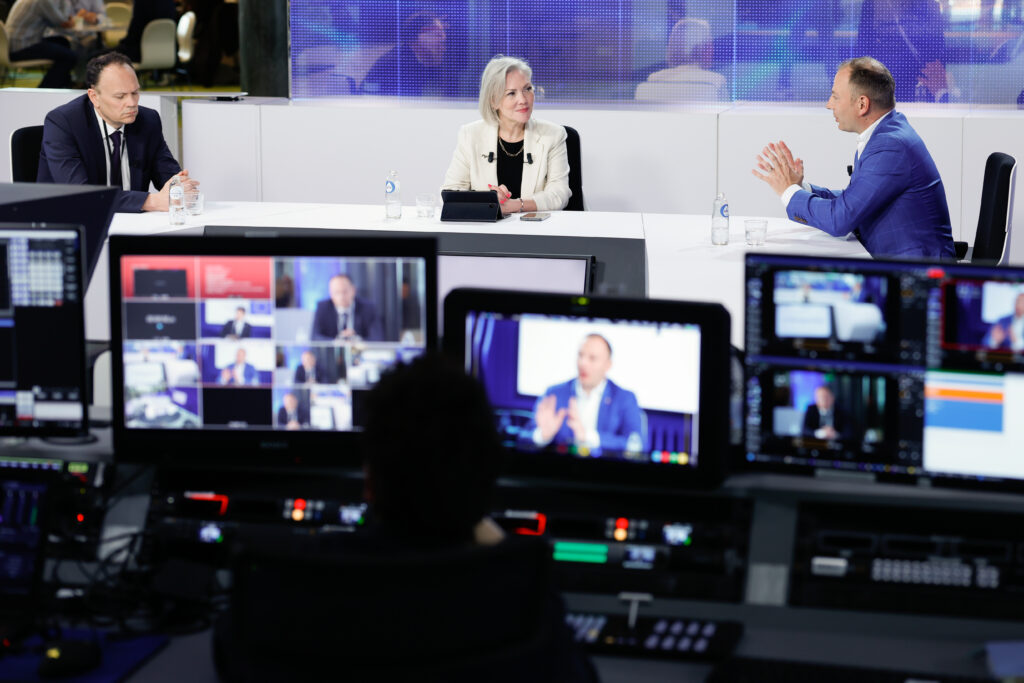
He gave the example of metformin, a common anti-diabetic drug. Its price could rise from €3–7 a box to €27–49. “That’s a month’s worth of treatment. Will the health care system pay for that additional price? Will it be the patient?” he asked. He also warned of the potential closure of production sites if they cannot sustain the additional cost of wastewater treatment.
That’s a month’s worth of treatment. Will the health care system pay for that additional price? Will it be the patient?
—Adrian van den Hoven
Yet van den Hoven remained optimistic. “This is something we can fix with the European Parliament, with the European Commission, with the other stakeholders and we’d really like to do so. The ‘stop the clock’ is important because it gives time for the Commission, the pharmaceutical industry and the water industry to look at these scientific questions. We are very certain that this 92 per cent claim is wrong. It is based on an error, a huge error that was made. Mistakes can happen, but then you fix them. From an investment perspective, the fees that we have to pay come into force at the end of 2028. We plan our production for 2028 now.”
Supply chain risks
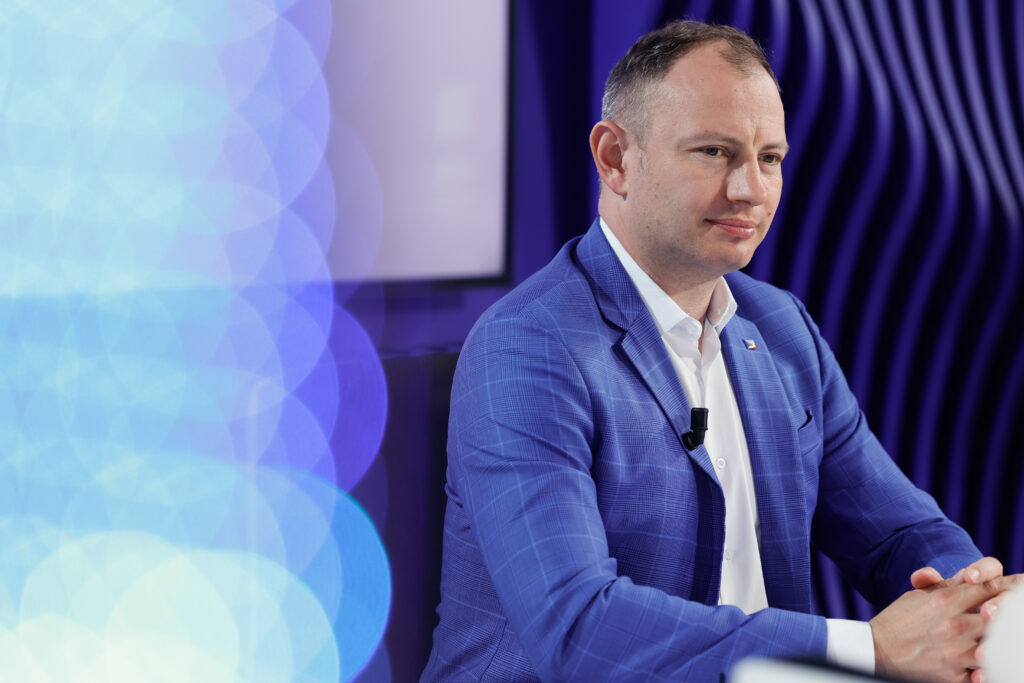
Van den Hoven offered some reassurance: for now, “there are no immediate shortages due to the logistics disruption” caused by the war in Iran. He pointed out, however, that many chemical and plastic components such as blister packs and vials are still imported from around the world, largely from Asia.
“We still produce about 60–70 per cent of the medicines in Europe, but we only produce around 35–40 per cent of the active pharmaceutical ingredients. We’re not producing everything in Europe and probably can’t, but we learned a lot from Covid about how to cope with logistics disruption.”