Every euro spent on Russian gas and oil helps the Kremlin finance the war. Neighbouring countries on the EU’s eastern border are racing to cut ties with Moscow, with some calling it a matter of survival. But as the Commission pushes for a 2027 deadline, Hungary’s newly elected government is refusing to commit.
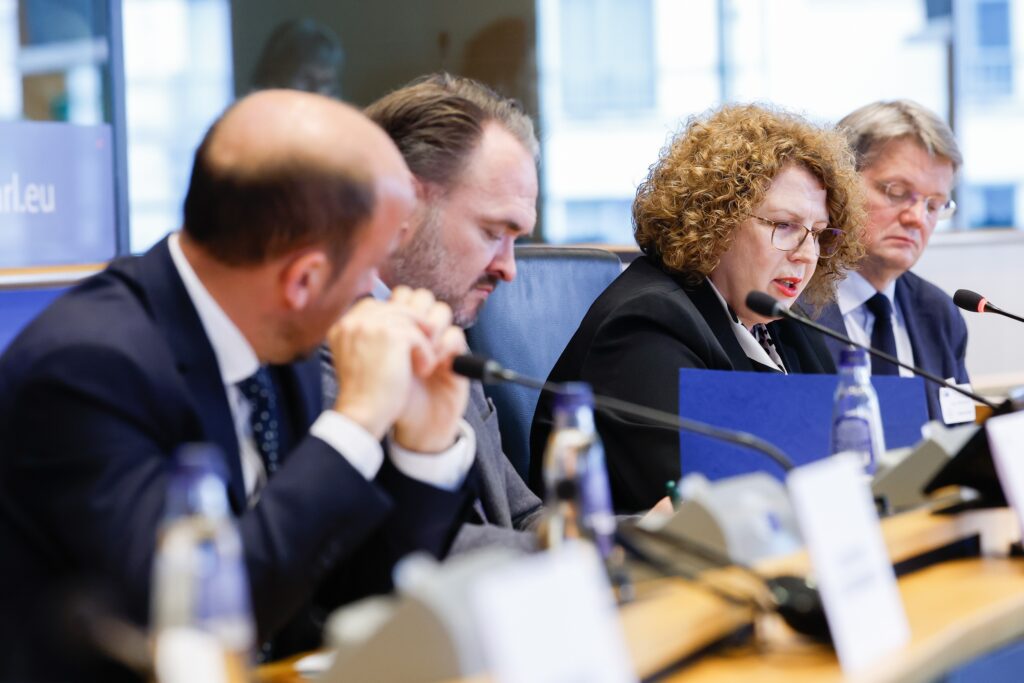
Speaking at a European Parliament meeting on Thursday, Energy Commissioner Dan Jørgensen delivered a blunt message to the EU’s eastern neighbours: stop buying Russian gas and oil — and do it fast. Every import from Moscow, he argued, funds a war that threatens European security.
The call came at a meeting of the Energy Community, a body that links the EU with nine neighbouring countries to build an integrated regional energy market. The group includes candidate and potential candidate states on the EU’s eastern borders, working to align with EU energy rules before they formally join the bloc.
Mr Jørgensen urged the Community’s members to follow the EU’s lead. “The RepowerEU roadmap sets clear deadlines for ending these imports. Within the EU, we are on track to eliminate Russian gas by 2027. I encourage partner countries to align with the EU’s timeline.”
Breaking free from Moscow
Breaking free from Russian energy is easier said than done. Many of the Community’s members lack domestic energy resources and have long relied on imports from Moscow. That has left them exposed to both price shocks and political pressure.
Run from Russian energy. Run as fast as you can. And run as far as possible. Because this is not just about energy. It’s about security, sovereignty, and the future of Europe.
—Andriy Herus, head of the Ukrainian parliament’s Energy Committee
The starkest warning came from Ukraine’s Andriy Herus. Dependence on Russian energy had brought “political pressure, corruption, financing of pro-Russian forces and ultimately war”, he said. “Run from Russian energy. Run as fast as you can. And run as far as possible. Because this is not just about energy. It’s about security, sovereignty, and the future of Europe.”
North Macedonia’s Dimitar Kovačevski noted that his country still relies on a single pipeline delivering Russian gas via Bulgaria. New infrastructure projects are underway to change that, including a connection to liquefied natural gas terminals in Greece. “The construction of the gas interconnector between the two countries has commenced and is expected to be completed during 2027,” Mr Kovačevski said. The interconnector will also enable the transport of hydrogen.
Moldova’s Olga Ursu described her country’s efforts to cut Russian energy as an “urgent necessity” rather than a policy choice. “In early 2026, Moldova’s power system was subjected to severe stress tests triggered by major Russian bombardments, which led to the disconnection of key transmission lines,” she said. Once almost entirely reliant on Russian gas, the country has since shifted toward European markets and strengthened ties with neighbouring states.
Hungary breaks ranks
Not everyone is moving in the same direction. After the Tisza party’s election victory last weekend, Hungary’s new prime minister Péter Magyar signalled he would not meet the EU’s 2027 deadline. His first press conference left little room for doubt.
“No one can change geography, Russia and Hungary are here to stay. The government will procure crude oil and gas in the cheapest and safest way possible,” Mr Magyar said during his first press conference as prime minister. That marks a shift even from his election campaign, where he vowed to phase out Russian energy before 2035.
For ordinary Europeans, the debate is not just about geopolitics. Russian energy has meant higher bills, supply cuts, and political leverage over European governments for years. Mr Jørgensen called the current crisis a turning point: a chance to move toward “secure, affordable and sustainable” energy. Whether Hungary’s new government will come to the same conclusion remains to be seen.