As the EU prepares to rewrite one of its flagship climate policies, the two Nordic countries are pushing back against calls to soften the bloc’s carbon pricing rules. They warn that weakening the system would undermine investor confidence just as Europe needs billions of euros to decarbonise industry.
Sweden and Finland have urged the European Commission not to dilute the EU’s Emissions Trading System (ETS). In a joint letter to Commission President Ursula von der Leyen, Prime Ministers Ulf Kristersson and Petteri Orpo called for a “stable, ambitious and predictable” ETS with a clear long-term carbon price. They said companies have already invested billions of euros under the current rules. Changing course now, they argued, would send the wrong signal to businesses and investors.
The two leaders also argued that the ETS must remain the EU’s main tool for meeting its target of cutting greenhouse gas emissions by 90 per cent by 2040, compared with 1990 levels. Weakening the system, they said, would force the bloc to rely more heavily on other measures, such as national emissions cuts in sectors outside the ETS, carbon removals from forests and land, or international carbon credits.
Those alternatives, Mr Kristersson and Mr Orpo argued, would bring significant political and economic challenges. They described a strong ETS as the most credible and cost-effective way for the EU to achieve its climate goals.
Brussels prepares overhaul
The letter comes just days before the Commission unveils on Friday a long-awaited overhaul of the ETS, the EU’s carbon market and one of its main tools for cutting greenhouse gas emissions. The package is expected to give manufacturers more flexibility.
Companies could receive additional free emissions allowances if they invest in projects that cut emissions. Brussels also plans to direct more ETS revenue towards industrial decarbonisation. It is also expected to propose a new €100 billion Industrial Decarbonisation Bank to support those investments.
The changes are part of a wider debate over how to balance climate goals with the competitiveness of European industry. In late May, several EU member states called for stronger protections for heavy industry, including keeping current levels of free emissions allowances for companies covered by the system.
Polluter pays
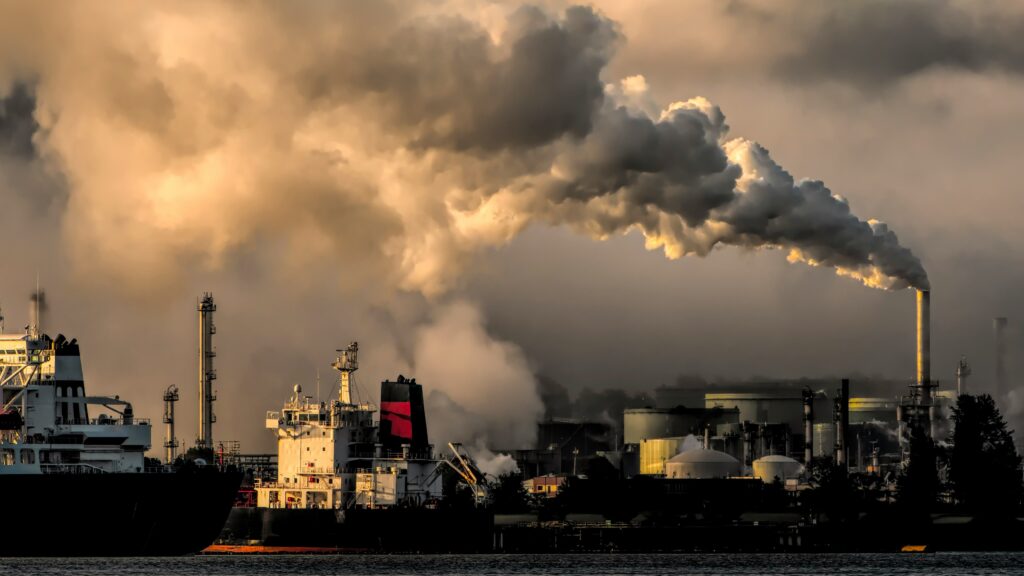
The ETS has operated since 2005 under the “polluter pays” principle. Power plants, airlines and energy-intensive industries must surrender one emissions allowance for every tonne of CO₂ they emit. Member states auction most allowances. Some energy-intensive sectors still receive free allocations to reduce the risk of production moving outside the EU.
The governments are expected to spend the revenues mainly on climate and energy measures, including modernising energy systems, supporting renewable energy and cutting emissions.
The Commission says the overhaul should encourage more investment in low-carbon technologies while keeping European industry competitive. Friday’s proposal will show how far Brussels is willing to adjust the ETS without weakening its core principles.