Ukraine should face limits on agricultural funding and sales of sensitive farm products even after joining the EU, the European Commission proposed on Tuesday. Membership would therefore not immediately give Ukrainian farmers the same support and trading conditions as producers elsewhere in the bloc.
The proposal published in Strasbourg sets out how the EU would prepare for new members. Alongside limits for Ukrainian agriculture, it proposes stronger powers to restrict funding or voting rights if countries reverse reforms after joining.
“Our assessment shows that the EU can accommodate a larger membership. But there are areas where we see challenges we need to address,” Enlargement Commissioner Marta Kos said. She singled out Ukraine’s agriculture, respect for the rule of law and the need for faster EU decisions.
Agriculture would get special treatment
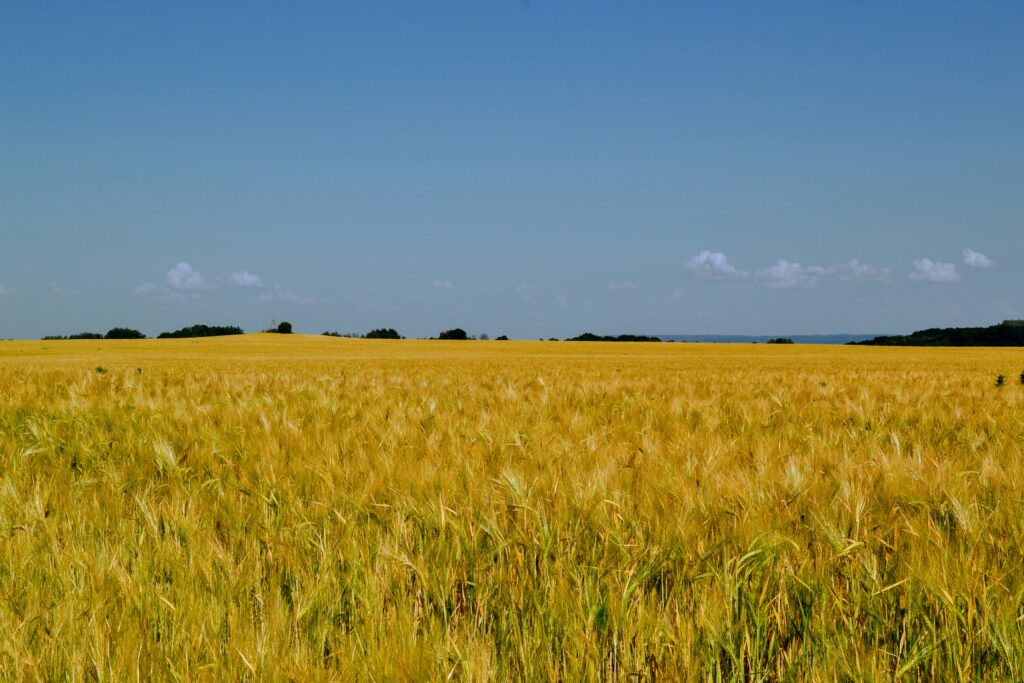
The Commission argues that Ukraine’s agricultural sector needs special arrangements because of its size, structure and very high productivity. Those arrangements should “significantly limit financial support and market access for sensitive agricultural products”, the release says. It does not name the products, set funding limits or specify how long restrictions would last.
The proposal also calls for helping Ukraine regain its traditional export markets outside the EU. That would support sales disrupted by Russia’s war while limiting access to parts of the European market. The restrictions concern Ukraine’s eventual membership and do not introduce new limits on grain shipments today.
We are proposing stronger possibilities to prevent backsliding, including reducing funding or restricting voting rights. — Marta Kos, Enlargement Commissioner
Ukraine is not the only candidate that could face restrictions after joining. The Commission envisages possible transition periods covering the movement of workers, services, agriculture and access to funding. The terms would have to be negotiated as part of each country’s accession.
At the same time, candidates could gain access to selected EU policies before becoming members. The Commission wants closer cooperation in energy, transport, digital technology and defence, provided countries meet the relevant conditions. Its approach would open some opportunities earlier while keeping others restricted after membership.
Fewer vetoes and stronger penalties
The Commission wants to make it harder for one government to hold up intermediate steps in another country’s membership talks. It proposes replacing unanimous agreement with majority voting when opening new groups of negotiating subjects and taking other intermediate decisions. All member states would still have to agree to a country’s eventual accession.
It also wants stronger protections against governments reversing reforms once they are inside the EU. “We are proposing stronger possibilities to prevent backsliding, including reducing funding or restricting voting rights,” Ms Kos said. A new safeguard written into future accession treaties could allow Council voting rights to be suspended in the most serious cases.
The Commission’s explainer says these measures would be temporary, targeted and reversible, with regular reviews. Another option would require a new member, for a limited period, not to block further enlargement because of bilateral disputes. This would prevent disagreements between individual countries from obstructing other candidates’ progress.
EU leaders will discuss the proposals at their October summit. The Commission will also present indicative membership roadmaps for Montenegro, Albania, Moldova and Ukraine in its forthcoming enlargement package, provided reforms continue.
For Ukrainian farmers, the key details remain unsettled: which products would face restrictions, how much funding would be available and how long they would have to wait for equal treatment.