Choosing the most climate-friendly way to ship a package or book a flight is about to get clearer. The European Parliament has voted to introduce a single EU-wide methodology for measuring greenhouse gas emissions from transport services. Companies that voluntarily report their emissions will now have to use the same standards across the bloc. A free calculation tool is also on the way to help smaller businesses comply without extra burden.
The new rules do not oblige transport companies to calculate their emissions. But those that choose to do so, whether for reporting, contractual, or marketing purposes, must apply the common EU methodology. The regulation covers all transport modes, allowing consumers and businesses to compare their environmental performance on equal terms for the first time.
The methodology encourages companies to use primary data rather than estimates. The Commission will also develop a free, public calculation tool with an instruction manual. It must be ready within four years of the regulation entering into force.
Life-cycle emissions
The methodology does not cover emissions over the full life cycle of transport services. Four years after the rules enter into force, the Commission will assess whether this can be extended. That review would cover vehicle and energy production, maintenance, use, and end-of-life emissions.
The new rules will make it easier for businesses to report their greenhouse gas emissions accurately. It includes dedicated incentives for SMEs to apply the ISO standard without being burdened by excessive administrative tasks.
— Norbert Lins, Transport Committee rapporteur (EPP/DEU)
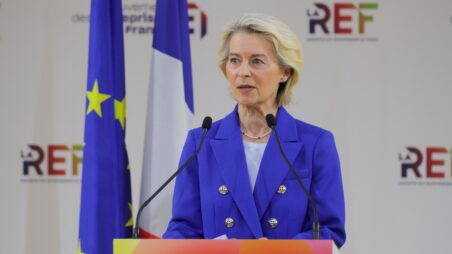
Small and medium-sized enterprises (SMEs) will also have access to a free calculation tool. “The new rules will make it easier for businesses to report their greenhouse gas emissions accurately. It includes dedicated incentives for SMEs to apply the ISO standard without being burdened by excessive administrative tasks,” said Norbert Lins, the Transport Committee rapporteur (EPP/DEU). Life cycle assessment remains available as an additional option in the medium term.
For consumers, the rules mean transparent and reliable information about the environmental impact of their travel and purchases. It is the first time such data will be available on a unified basis across the bloc.
Towards electrification
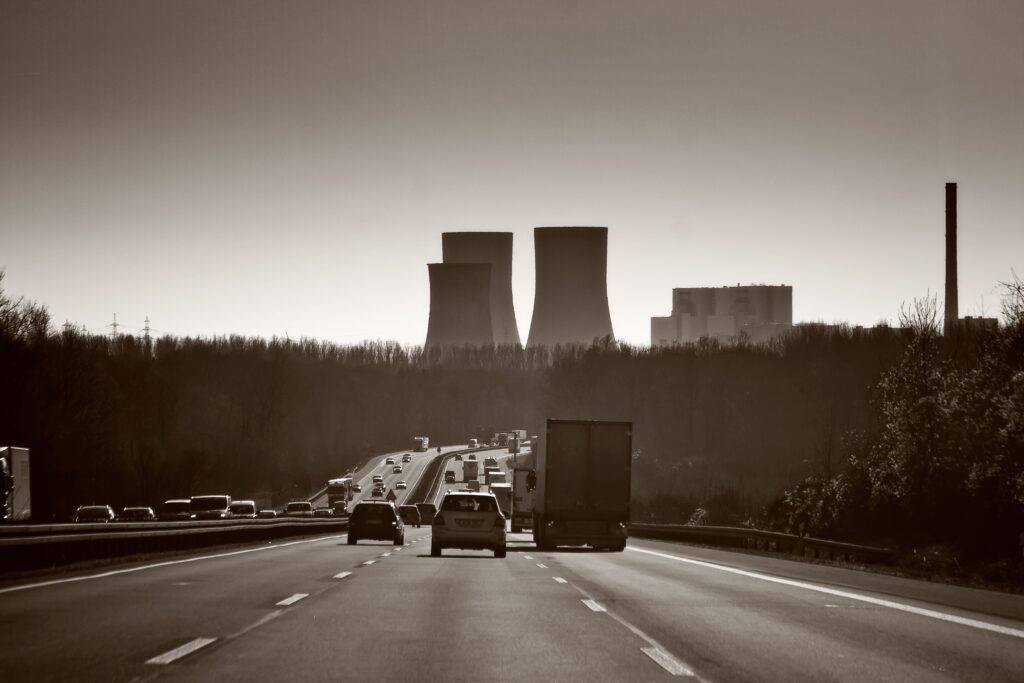
The regulation is part of the EU’s broader push to cut transport emissions, one of the hardest sectors to decarbonise. Electrification and EVs are seen as key, but their climate impact depends on how the electricity is generated.
Transport remains a significant source of emissions, and member states have very different energy mixes. The new rules aim to improve transparency and lay the groundwork for more comprehensive emissions accounting in the future. Without cleaner energy grids, however, greener transport will only go so far.