Moscow has warned it will halt deliveries to Berlin’s main oil refinery in a week. The move increases pressure on the European Union’s biggest supporter of Ukraine. War may thus do what climate could not: push the bloc towards faster diversification of its energy portfolio.
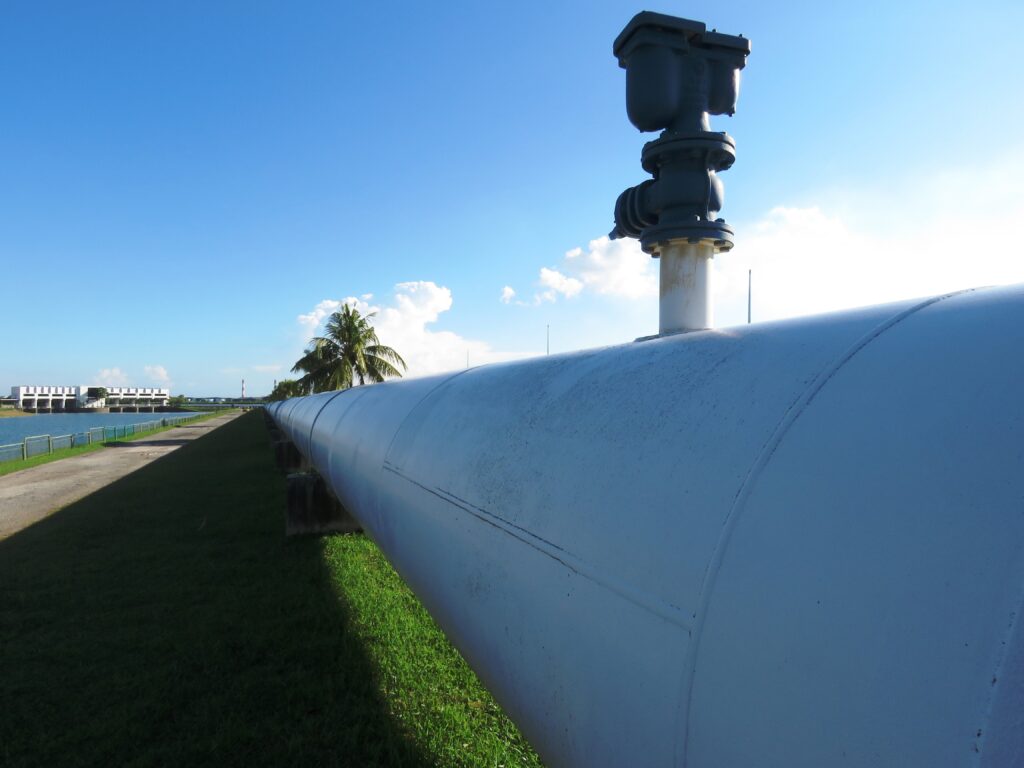
Russia’s May oil delivery schedule omitted the Druzhba pipeline volumes that keep feeding the German PCK refinery at Schwedt. The conduit has pumped Siberian crude to the plant near Berlin for six decades. Since 2023 it has carried Kazakh oil instead, a workaround that covers 90 per cent of Berlin’s petrol, kerosene and heating fuel. Now the flow stops.
The Kremlin calls the halt “technical”, and Kazakh energy minister Yerlan Akkenzhenov has hinted at drone damage to Russian infrastructure. Another senior Kazakh official, quoted anonymously by Reuters, is blunter: the move seeks to squeeze the European Union and, above all, Germany, Kyiv’s largest arms supplier.
Serious, dramatic
Berlin scrambles. The economy ministry insists that alternative crude can arrive through the port of Rostock and, if needed, Gdańsk. The refinery’s managers curse pipeline physics: Rostock’s spur cannot match Druzhba’s daily volumes, and Polish officials still distrust Schwedt’s majority owner, Rosneft.
Christian Görke, a Bundestag member from the left-wing Linke party, calls the situation “serious, indeed dramatic”. Oil traders agree. Brent nudged one dollar higher towards the psychologically potent mark of $100 a barrel, already 37 per cent up since war shut the Strait of Hormuz.
Fuel inflation feeds a broader malaise. Germany’s economic ministry expects consumer prices to climb to 2.7 per cent this year, up from 2.2 per cent in 2024. Katherina Reiche, the economy minister, blames external shocks and warns that revival “is once again being hampered”. She wants tax cuts and lower fuel levies but admits these are sticking plasters.
Enter Dan Jørgensen, the EU’s energy commissioner. Speaking in Brussels on Wednesday he urged capitals to shield the poorest households, accelerate the switch from petrol cars to electric vehicles, and replace gas boilers with heat pumps. “This is not a short-term, small increase in prices. This is a crisis that is probably as serious as the 1973 and the 2022 crises combined,” he said.
Ambitions and limits
The commissioner pressed for ambition: “This must be a wake-up call and a turning point – when Europe steps away from fossil fuel dependence, and steps towards clean energy autonomy.” Such rhetoric, however, meets hard limits.
The PCK refinery lies over 4,500 kilometres from the Strait of Hormuz but only hundreds of metres from German homes that burn heating oil. Logistics, not manifestos, decide whether those radiators run next winter. The German government seized operational control of PCK in 2022 yet left Rosneft’s 54 per cent stake untouched, fearing retaliation against German firms in Russia. That prudence now looks perilous. Pipelines can easily become levers of war, and Druzhba’s closure turns the screw once more.
The Germans have given up on Russian oil, so they are fine.
—Aleksandr Novak, Russian deputy prime minister
Markets sense vulnerability. Refiners in Rotterdam hoard crude; hauliers lock in diesel futures. The European Central Bank had hoped to begin cutting rates by summer. Sticky energy prices may delay the move. Ms Reiche pleads for “far-reaching structural reforms” to pare Germany’s sky-high levies and red tape. Yet without affordable energy even nimbler rules may not lure investment.
Between plans and pipes
The Commission’s Green Deal promised to shrink oil demand by 30 per cent before 2030. Electric cars outsell diesels in several EU states, and once-sluggish heat-pump sales soar. But the bloc still burns 10m barrels a day, one eighth of global consumption. Replacing a pipeline that feeds a capital city cannot be done with solar panels. Engineers will reverse-flow Rostock, boost rail shipments and, if Warsaw agrees, inject more crude via Poland. Each fix costs money and time.
Moscow bets that time hurts democracies. The Kazakh official notes that Russia itself proposed the Kazakh-Druzhba route in 2023 to keep influence over Schwedt. Having lured the Germans back, the Kremlin now yanks the chain. Aleksandr Novak, Russia’s deputy prime minister, shrugs that “the Germans have given up on Russian oil, so they are fine.” Berlin begs to differ.
The economic recovery expected this year is once again being hampered by external geopolitical shocks.
—Katherina Reiche, Germany’s economy minister
Beyond the immediate scramble looms strategy. Mr Jørgensen wants an energy system resilient to pipelines and straits alike. He cites heat pumps, batteries and offshore wind. Investors wonder whether Brussels will soon mandate minimum storage for refined fuels or subsidise more liquefied-petroleum-gas import terminals. None of that helps PCK today.
Geography’s verdict
George Friedman, the founder of Geopolitical Futures, offers more sober counsel. “The war in Iran has revealed a profound vulnerability endemic to hydrocarbons in the global geopolitical and economic systems,” he writes. The veteran strategist reminds readers that modern armies, from drones to tanks, still guzzle fossil fuel. Choke those supplies and the enemy staggers. Europe now feels the doctrine first-hand.
Mr Friedman urges diversification yet doubts easy fixes. “One of the foundations of war is to deny the resources needed by the enemy to execute its end of the conflict.” He sketches three alternatives. Small modular nuclear reactors could bridge the gap, cheaper and safer than yesterday’s leviathans but still hostage to uranium supply.
Wind and solar remain the least-cost option, though one plagued by chronic unreliability as grids creak and storage lags. Deep geothermal tempts because heat lurks everywhere beneath our feet, if engineers can drill far and cheap enough. None will arrive before winter. Schwedt’s engineers must keep crude flowing through whatever hose is handy. The refinery skirted bankruptcy last year when American sanctions clipped Rosneft. Berlin won a waiver only weeks ago; now it needs oil more than lawyers. Failure would force fuel up Germany’s autobahns by truck, adding cost (and carbon).
A narrowing road
Longer-term, the Druzhba drama stiffens Europe’s resolve to cut demand. Consumers respond faster than policymakers. Electric-car registrations jump when petrol breaches €2 a litre. Airlines hedge kerosene months ahead. Farmers delay fertiliser purchases, hoping prices retreat. These micro-adjustments cumulate, trimming oil burn and blunting Russia’s leverage. But demand destruction can bruise growth, as Ms Reiche laments. Europe’s challenge is to pivot without stalling its industrial engine.
This is a crisis that is probably as serious as the 1973 and the 2022 crises combined.
—Dan Jørgensen, EU energy commissioner
The Commission wagers on subsidies and standards. Heat-pump mandates, battery tariffs, a looming carbon border levy — each tilts markets. Critics question cost. Mr Jørgensen answers that the alternative is worse: another supply shock, perhaps next time aimed at Hungary or Italy.
Yet realism persists. Energy security rests on physics and euros, not communiqués. Pipelines cross borders; missiles cross pipelines. Until Europe owns scalable substitutes, oil will haunt its politics. Small reactors may sprout, wind blades will spin taller, drills may chase magma. All will take the one commodity Brussels cannot print: time.
A broad mix
For now, however, Berlin patches rather than transforms. Tankers queue for Rostock; rail depots dust off dormant sidings; the Schwedt workforce watches gauges. At any hour Transneft—which operates the Russian part of Druzhba—could reopen the pipeline, claiming repairs are done. But whatever trust there remained after 2022 has now bled away.
Europe keeps discovering that friends diversify while foes concentrate. Russia focuses on the single pipeline that matters most at each moment. The Union will need as broad an energy mix as it can get, including oil. Watch for the first cold snap after Druzhba’s closure.