European farmers may soon use drones to spray their fields with pesticides, as the EU moves to modernise decades-old rules. The Council has agreed its position on a simplification package covering pesticides, animal record-keeping, and food contact plastics. Negotiations with the European Parliament can now begin.
The measures fall under the so-called ‘Omnibus X’ package, one of ten simplification bundles the Commission has submitted to co-legislators since February 2025. Its aim is to cut unnecessary administrative costs across food and feed safety, human and animal health, and environmental legislation. Protection standards remain intact.
The Cyprus presidency has made the package a priority. “Today we deliver on the second proposal within the food and feed safety package, paving the way for simpler and more cost-efficient rules regarding the sustainable use of pesticides, record-keeping, and the use of plastics in the food industry. This reaffirms our presidency’s commitment to advancing the EU simplification agenda swiftly and efficiently,” said Marilena Raouna, Cyprus’s Deputy Minister for European Affairs.
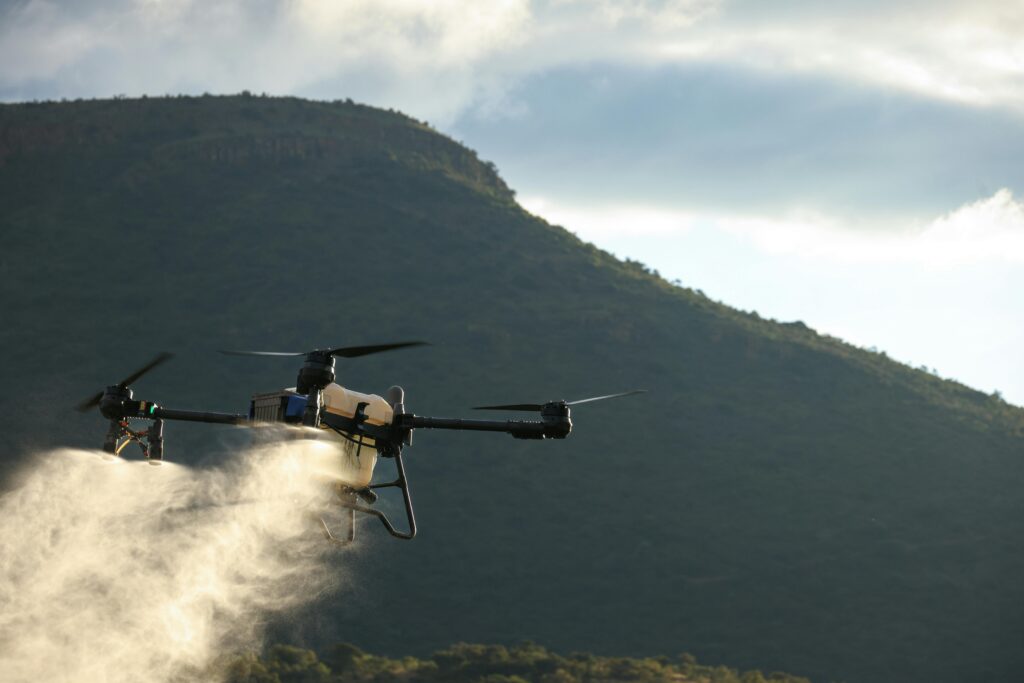
Drones in the field
One of the major changes concerns the sustainable use of pesticides. Aerial application of plant protection products is currently prohibited in EU law, but member states can grant case-by-case derogations. The Council considers this a major administrative burden on professional end users and competent authorities.
The Council mandate maintains the derogation for special cases but introduces a new pathway for certain types of drones, allowing targeted pesticide application where ground-based spraying is not feasible. If the Council position is adopted, the European Food Safety Authority would need to issue guidance on risk assessment, drone characteristics, and conditions of use. It also sets a 30-month deadline for a delegated act specifying which drones qualify for pesticide spraying.
Records and plastics
The Council also wants to eliminate duplicate record-keeping requirements for farmers. EU animal welfare rules already require them to log medicine use and animal deaths; the package removes this duplication․
“Today we deliver on the second proposal within the food and feed safety package, paving the way for simpler and more cost-efficient rules.”
— Marilena Raouna, Deputy Minister for European Affairs, Cyprus
Another legal uncertainty the package addresses concerns plastic materials in contact with food. Two directives from 1982 and 1985 were superseded by an EU regulation in 2011, but were never formally repealed. The Council proposes to remove them, improving legal certainty.
The road ahead
The Cyprus presidency will continue work on the last remaining proposal in the food and feed safety package, with the aim of securing a full Council mandate before negotiations with the European Parliament on the entire ‘Omnibus X’ package can begin.
The simplification drive goes beyond food safety. Since February 2025, the Commission has submitted ten omnibus proposals to co-legislators; the food and feed safety bundle was the last, issued in December 2025. In April 2026, the presidents of the Council, Parliament, and Commission agreed the One Europe, One Market roadmap, committing to complete all simplification packages by the end of 2027.