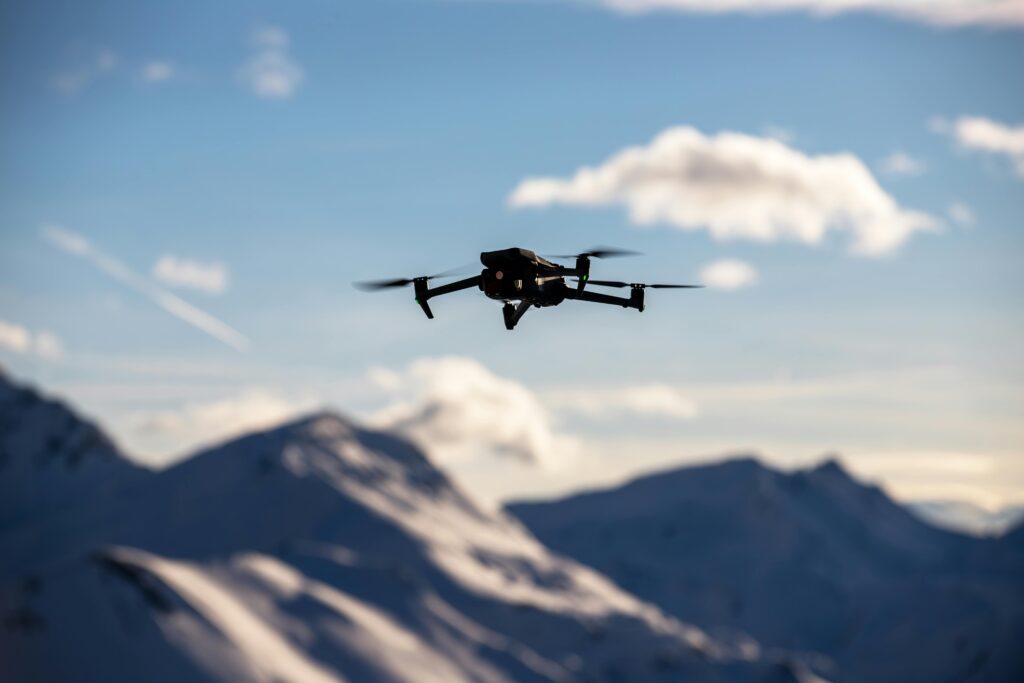
Europe’s armies take too long to buy drones. A new platform wants to fix that. BASE, launched by Dutch firm Intelic, connects drone manufacturers from ten countries to help governments procure faster and keep Europe’s defence money in Europe.
BASE fits squarely into the EU’s Readiness 2030 agenda. The bloc wants to speed up procurement, cut national fragmentation, and reduce dependence on non-European suppliers. Thomas Regnier, the European Commission’s defence spokesperson, told EU Perspectives the Commission is targeting exactly these problems. “One of the focuses of the Commission’s approach to strategic autonomy in defence is on addressing major bottlenecks, particularly the speed and fragmentation of procurement,” he said.
Mr Regnier says concrete steps are coming soon. The EU plans to roll out loans under SAFE, its defence financing scheme, alongside new funding under EDIP, the European Defence Industry Programme. Simplified rules are also due under the Defence Readiness Omnibus, a legislative package aimed at cutting procurement red tape. “Tangible progress is expected soon,” he said.
Better, not more
Mr Regnier is clear that the EU’s defence agenda is not just about spending more, but about spending better, together and within Europe. In 2024, the Commission proposed to procure at least 40 per cent of defence equipment in a collaborative manner by 2030.
The latest European Defence Agency data shows that only 18 per cent of procurement was cooperative in 2021. As European governments ramp up defence spending in response to Russia’s war in Ukraine, the pressure to source compatible, European-made capabilities quickly has become a strategic priority.
The Commission has mapped out the sequence. “Coalition formation by 2026, industrial capacity mapping by mid-2026, project launches in 2026, reaching 40 per cent joint procurement by 2027, contracts in place to address critical capability gaps by 2028, and full delivery through SAFE by 2030”, said Mr Regnier. “The Commission is putting in place both financial incentives and the regulatory architecture needed to make joint procurement the norm rather than the exception”, he added.
Ten countries, one platform
BASE connects drone and unmanned systems manufacturers from ten countries: France, Germany, the United Kingdom, Ukraine, the Netherlands, Portugal, Latvia, Luxembourg, Lithuania, and Czechia. It gives governments direct visibility into interoperable capabilities available across the European defence industrial base. Among its partners is Ukraine’s TAF Industries, bringing expertise in surveillance, strike, and counter-drone systems. Several other Ukrainian partners are involved but cannot be named.
The Commission is putting in place both financial incentives and the regulatory architecture needed to make joint procurement the norm rather than the exception
— Thomas Regnier, Defence spokesperson, European Commission
At its core is Nexus, a shared command-and-control software layer deployed in Ukraine since 2025. It allows unmanned systems from different manufacturers to operate together within a single mission environment. For ministries of defence, that means less integration risk and shorter deployment timelines.