Turning company car fleets into a fast track for electric vehicles—and a new source of cheaper second-hand EVs—is at the heart of a proposal that has already sparked a sharp political clash in the European Parliament. Supporters see a boost for climate goals and EV affordability, while critics warn it could hit business costs and industry competitiveness.
A new EU plan to accelerate the transition of corporate fleets to electric vehicles has divided the European Parliament. The proposal would set national targets for the share of zero- and low-emission cars and vans purchased by large companies, while requiring member states to use tax incentives, subsidies and other policy measures to drive the shift.
Supporters say it would reduce transport emissions and expand the secondhand market for electric vehicles. Critics argue it could increase costs for businesses‚ unnecessary bureaucracy and harm Europe’s car industry․
The debate took place in a joint meeting of the environment and transport committees of the European Parliament on the draft report on the Clean Corporate Vehicles Regulation‚ prepared by co-rapporteurs Tiemo Wölken (S&D/DEU) and François Kalfon (S&D/FRA)․
Why corporate fleets matter
Corporate purchases represent a considerable portion of European car sales. According to Mr Wölken‚ company buyers account for 60 per cent of new car registrations and 90 per cent of new van registrations in the EU.
Moreover‚ company-owned vehicles tend to have higher mileage and enter the used car market faster than private ones. That makes them a powerful instrument in the transition to zero emission mobility‚ Mr Wölken underlined․
These targets would not be at the level of an individual company‚ but rather at that of member states‚ allowing governments of different countries to help the transition in whichever way they see fit․
Large companies in focus
The draft report concentrates on large companies rather than small and medium enterprises (SMEs). Mr Wölken said that the approach had been taken in response to concerns from stakeholders about small companies and that vehicles providing essential services‚ including ambulances‚ fire engines and cars for people with disabilities‚ would be exempt. The co-rapporteurs note that zero emission alternatives are not yet available for all operational requirements.
The future of cars must be electric‚ it must be affordable‚ and that needs to be reflected in the market․ — François Kalfon (S&D/FRA)
The proposal targets a slightly higher proportion of zero or low emission cars than the Commission’s‚ with 70 per cent of company cars mandated to be zero or low emission vehicles by 2030. At least 54 per cent should be all electric. The draft recommends 88 per cent of corporate cars should be zero emission vehicles by 2035․
Second hand electric cars
A major motivation for corporate fleet electrification is to support the second hand electric vehicle market. Mr Kalfon said company cars are resold into second hand markets after three years‚ which could make electric cars affordable to low income households․ “The future of cars must be electric‚ it must be affordable‚ and that needs to be reflected in the market,” he stated.
The draft report therefore calls on member states to support the purchase of ex company electric vehicles from the second hand market. This would improve electric vehicle affordability and residual value. Mr Kalfon also called for the end of subsidies for combustion engine vehicles and the reallocation of funding towards electric vehicles‚ EU jobs and industrial sovereignty.
EPP calls for realism
The European People’s Party stated support for cutting transport emissions‚ but cautioned against setting rigid targets for sectors. Shadow rapporteur Raúl de la Hoz Quintano (EPP/ESP) said corporate fleets vary widely across the EU. The EPP wants the transition to be technology neutral‚ the rules to be affordable for companies and the question of industrial competitiveness to be taken into account.
According to Dariusz Joński (EPP/POL), the proposed pace is too fast for countries starting with a lower level of electric vehicle uptake. He argued many member states are below the EU average for electric registrations‚ and in Poland‚ the share of electric vehicles in new registrations is far lower than in some western European markets.
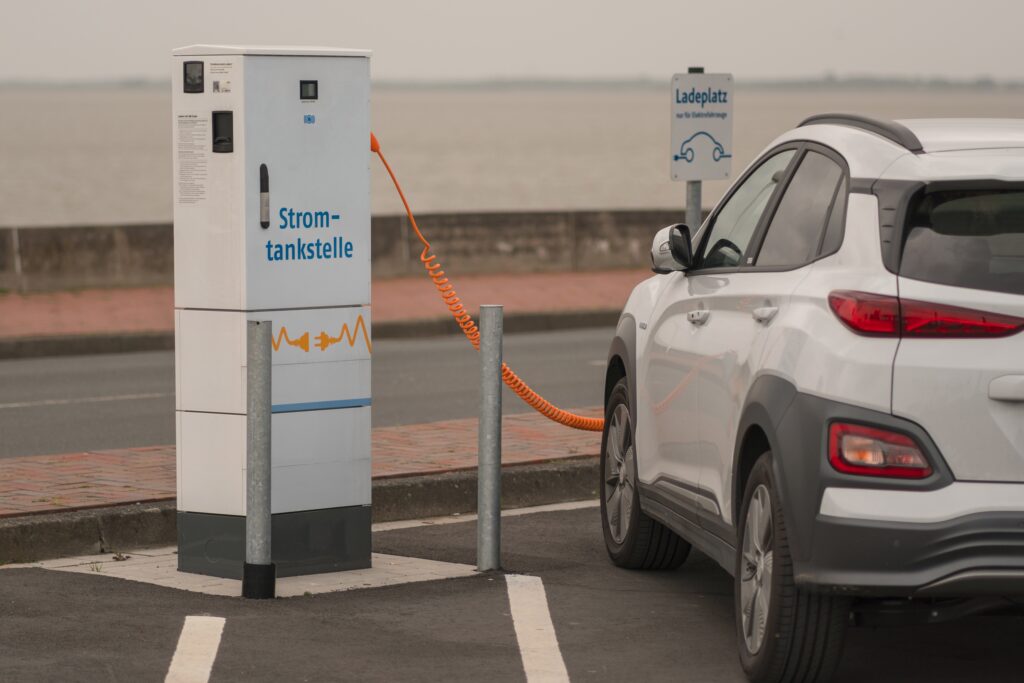
Nina Carberry (EPP/IRL) referred to infrastructure problems. She said fleet electrification would be positive if there was sufficient charging infrastructure‚ but in Ireland‚ the charging docks lack across the country in rural areas, at tourist attractions and Dublin Airport․
Commission defends the proposal
The Commission defended the Clean Corporate Vehicles Regulation as part of its larger automotive package. DG MOVE said this package covers both sides of the supply and demand equation‚ by putting CO₂ standards on cars and vans‚ and by maximizing demand by electrifying corporate fleets. This proposal only applies to cars and vans‚ not trucks or SMEs․
The Commission argued that companies tend to have more financial capacity than SMEs and that corporate vehicles operate more kilometers‚ so shifting these fleets to electric vehicles would be more impactful. For the Commission more corporate electric cars would eventually enter the second hand market‚ making them affordable for households․
Compromise test ahead
MEPs have until 10 June to table amendments, with a committee vote expected on 4 November. Negotiations are likely to focus on targets, national flexibility, charging infrastructure, funding, and the leasing and rental companies.
The final compromise will have to address both the EU’s climate objectives and the economic realities facing businesses across the single market. The main challenge will be to accelerate fleet electrification without adding excessive costs or creating new gaps between member states with very different infrastructure and market conditions.