Swedish households already save up to 40 per cent on heating bills thanks to smart energy technology. The European Commission wants to bring those savings across the bloc and has launched a new roadmap for AI and digitalisation in the energy sector. Data centres, smart grids, and an EU-wide data-sharing framework are all part of the plan.
The European Commission has unveiled a sweeping strategy to accelerate the digital transformation of Europe’s energy system. Artificial intelligence and data-driven technologies sit at the centre of the bloc’s competitiveness and clean energy ambitions. “This is a matter of European technological sovereignty and of strategic autonomy.”
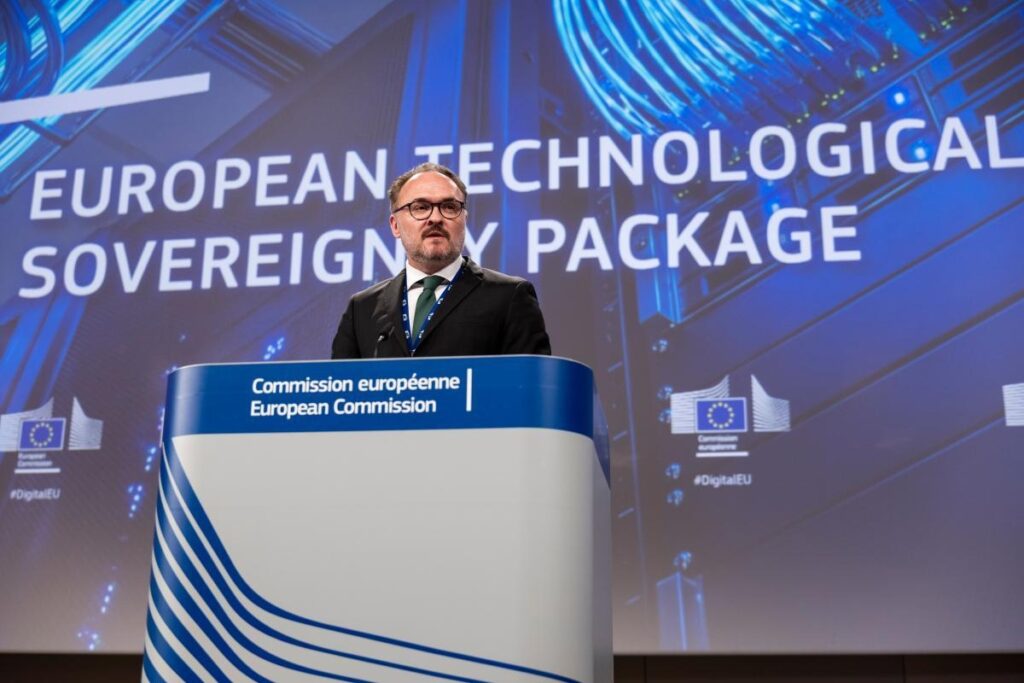
“We are living through a global digital revolution and a worldwide race to shape the future of artificial intelligence,” EU Energy Commissioner Dan Jørgensen said on Wednesday. “These technologies are transforming how we live, work, and power our economies. Europe must not simply participate in this transformation, it must lead it.”
Mr Jørgensen published the Strategic Roadmap for Digitalisation and AI in the Energy Sector, setting out a plan to modernise energy infrastructure and integrate rapidly expanding data centres into electricity networks. It also creates a European framework for energy data exchange. The roadmap is part of the European technological sovereignty package.
The initiative reflects growing concern that Europe risks falling behind global competitors in the race to deploy AI. At the same time, rising energy demand and decarbonisation goals warrant digital innovations. “First of all, we need to integrate digital infrastructure in our energy system in a sustainable way. Because there can be no digital sovereignty without energy sovereignty,” Mr Jørgensen said.
Vast amounts of electricity
At the heart of the strategy lies a recognition that AI and cloud computing are increasingly dependent on vast amounts of electricity. “Of course, we will need and welcome data centres to power Europe’s digital economy, but we must recognise that they also absorb increasing shares of our energy at a moment when we need to electrify our entire economy,” Mr Jørgensen said.
Data centres currently account for approximately 2.5 per cent of EU electricity consumption. They consumed enough energy in 2024 to power nearly 20 million European households. Demand is set to more than double from around 12 gigawatts in 2025 to 28 gigawatts by 2030.
First of all, we need to integrate digital infrastructure in our energy system in a sustainable way. Because there can be no digital sovereignty without energy sovereignty — Dan Jørgensen, EU Energy Commissioner
The Commission aims to sustainably integrate data centres into the energy system. It plans an EU-wide sustainability rating scheme covering energy efficiency, water use, clean energy consumption, and waste heat recovery. The first labels should arrive in 2027.
Digital navigation
A second key part of the roadmap seeks to accelerate the deployment of digital technologies throughout the energy system. Smart grids, advanced metering systems, and AI-powered operational tools should play a major role in improving network efficiency and integrating renewable energy.
“Thanks to digital solutions, consumers can get greater control over their energy use. Shifting consumption to cheaper hours can truly help in lowering energy bills. To give you one example, already today, Swedish households that use electric heating can save up to 40 per cent on their bills thanks to demand flexibility,” Mr Jørgensen said.
The Commission wants to help consumers navigate their energy use through a rollout of smart meters across the EU, enabling more active participation in energy markets through demand-response programmes and dynamic pricing systems.
Energy is a sector of strategic importance for our whole economy and for our security — Dan Jørgensen, EU Energy Commissioner
AI improves electricity demand forecasting, detects faults in infrastructure, manages grid congestion, and optimises renewable energy generation. The Commission also sees potential benefits for building renovation planning, energy efficiency programmes, and nuclear power operations. “Energy is a sector of strategic importance for our whole economy and for our security,” Mr Jørgensen said.
Strengthening Europe’s competitiveness
The roadmap’s third pillar addresses one of the most persistent obstacles to digitalisation: fragmented energy data systems. Existing legislation governs data access and exchange, but significant differences remain among member states. These create barriers for companies offering cross-border energy services.
The Commission wants to build a new AI model for the energy sector, training it on European data and developing it through European companies. “This is a matter of European technological sovereignty and of strategic autonomy,” Mr Jørgensen said. Brussels intends to establish a simplified framework for energy data sharing across the bloc.
To monitor implementation, the Commission will launch an annual Energy Digitalisation Forum beginning in 2026. The forum will assess progress, identify obstacles, and track the adoption of digital technologies across member states.
The roadmap signals the EU’s determination to link its digital ambitions with its energy transition objectives. By combining investments in AI, data infrastructure, and smarter energy networks, the Commission hopes to strengthen Europe’s competitiveness while building a more efficient, secure, and sustainable energy system for the decade ahead.
“If we do this right, we will truly secure our tech sovereignty while transforming and not overwhelming our energy system. And we can step closer to a cleaner, more competitive, and more independent Europe,” Mr Jørgensen said.