EU has finally agreed on how to share the burden of migration. The consensus, however, remains fragile. The Pact on Migration and Asylum entered into force across all 27 member states. Hungary and Slovakia have pledged nothing to the solidarity fund, and six more countries are asking to pay less.
Commissioner for Internal Affairs and Migration Magnus Brunner set the tone in Nicosia, where ministers gathered on Friday to mark the occasion. “On 12 June we will not be cutting the ribbon. We will be launching the operational system,” he said. His ambitions for the new framework went further. “We are putting our European house in order. This creates the conditions for us to decide who can come to Europe, who can stay, and who must leave.”
The results of the new approach are already visible. Illegal border crossings have fallen by 55 per cent compared to two years ago, according to the European Commission. The Entry-Exit System is now fully rolled out, and the upgraded Eurodac database gives authorities the tools to track movements across the bloc for the first time.
Who pays, who moves, who opts out
At the heart of the pact is a solidarity mechanism designed to relieve pressure on the countries that receive the most arrivals. For 2026, the reference figure is 21,000 relocations or €420 million in financial contributions. Each member state chooses how it contributes: cash, taking in asylum seekers, or in-kind support.
Cyprus, Greece, Italy and Spain are under migratory pressure and will benefit from the fund. These are also the countries that have spent years calling for exactly this kind of binding solidarity. For them, Friday marks a vindication.
The picture elsewhere is more complicated. Austria, Bulgaria, Croatia, Czechia, Estonia and Poland face what the Commission calls a significant migratory situation, largely due to the presence of Ukrainian refugees. All six have requested reduced contributions. Czechia has been granted a full exemption for 2026.
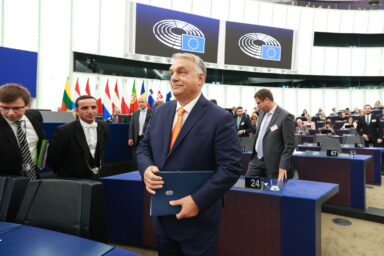
Hungary and Slovakia have pledged nothing at all. Under former Prime Minister Viktor Orbán, Hungary rejected the pact outright. Brussels is now watching carefully to see whether his successor, Péter Magyar, brings the country into line. The European Commission said it was in close contact with Budapest on all fronts, including migration. “The government has only been in office for a few weeks,” Commission spokesperson Markus Lammert said at Friday’s midday briefing. Slovakia has given no indication it intends to change course.
There is also a sharper paradox elsewhere. Spain is one of the four countries officially under migratory pressure and a beneficiary of the solidarity fund. At the same time, Madrid moved to regularise the status of around 500,000 irregular migrants from June 2026, covering people who had been in the country for at least five months with no criminal record. Critics, including some members of the European Parliament, have argued the move undermines the very framework the pact is trying to build.
System launched, work not done
After the summer, Brunner said, the Commission will give Frontex a new mandate to increase support for member states on returns. The goal is to ensure that return decisions translate into actual departures, not just paperwork. Member states are gradually linking into Eurodac, the core IT system underpinning the pact. Technical glitches on the first day are to be expected, Lammert said, adding that overall the rollout was going “rather well.” Deputy Cypriot Migration Minister Nicholas Ioannides, whose country holds the Council presidency and hosted Friday’s conference, called the day the culmination of a decade-long effort.
It seems highly unlikely that they will be ready to absorb the shock to fundamental rights that the pact will bring.
— Julie Lejeune, director, European Council on Refugees and Exiles
Julie Lejeune, director of the European Council on Refugees and Exiles, offered a starker assessment. The pact introduces harsher rules while the safeguards meant to protect people have not received the necessary attention or resources from member states. “It seems highly unlikely that they will be ready to absorb the shock to fundamental rights that the pact will bring,” she warned.
The framework is in place. Whether it holds is another question.