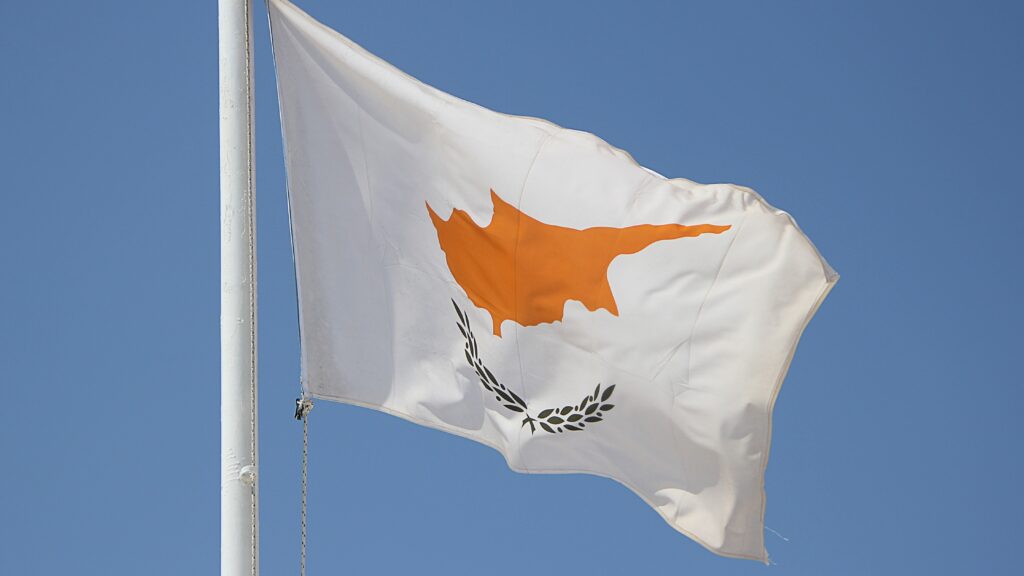
The decision now rests with member states, which must decide whether to admit the bloc’s last remaining Schengen hopeful. Their verdict could also shape how Europe’s passport-free zone operates on Cyprus’s divided island.
“The Cyprus accession to the Schengen area would be a significant step forward for the country and for the EU as a whole,” Commission spokesperson Markus Lammert said.
The Commission’s 2025–2026 Schengen report draws on a monitoring mission carried out in Cyprus in December 2025. Officials assessed the country’s preparedness across the key areas needed for Schengen membership, including border management, security cooperation and the use of shared European information systems.
According to the Commission, Cyprus has made significant progress in aligning with Schengen rules in recent years. The report will now go before the member states, which will decide how to proceed. “The decision on when and how Cyprus joins the Schengen area lies with the Council,” Mr Lammert confirmed.
Schengen also featured prominently in talks between Cypriot President Nikos Christodoulides and European Commission President Ursula von der Leyen during their meeting in Paris on Tuesday. According to the Cypriot government, both leaders agreed that Cyprus has completed all the necessary technical requirements and that only a political decision by the member states remains. Ms Von der Leyen voiced her support for “the full integration of Cyprus into the Schengen area as soon as possible”.
The island’s division still raises questions
Cyprus’s path to Schengen is not entirely straightforward. The island has remained divided since 1974, and the assessment also examined the so-called Green Line separating the internationally recognised Republic of Cyprus in the south from the north, which is controlled by the self-declared Turkish Republic of Northern Cyprus, recognised only by Türkiye.
The EU assessment considers the current system of checks along the Green Line effective. However, it says practical issues still need resolving before Schengen rules can fully apply.
The main sticking point is how the EU’s new Entry/Exit System (EES) would operate at crossing points between the two sides of the island. Critics warn that, without a clear solution, tensions could emerge between Schengen requirements and the current arrangements that allow people to cross the Green Line.
Turkish Cypriot leader Tufan Erhürman has also entered the debate, describing it as “extremely important” for the Turkish Cypriot side to take part in Cyprus’s Schengen accession process. He argued that membership could create complications for Turkish Cypriots who are not citizens of the Republic of Cyprus, particularly when it comes to freedom of movement.
The last piece of the Schengen puzzle
Another sensitive issue concerns cooperation with the UK’s Sovereign Base Areas on the island. According to sever Kathimerini, the EU wants Cyprus to strengthen certain security measures there so they fully meet Schengen standards.
Cyprus will now focus on persuading member states that it is ready not only in technical terms but politically as well. The government argues that Schengen membership would deepen the island’s European integration while making travel easier for its citizens.
If the member states give their approval, Cyprus will become the last EU country to join the Schengen area, with the exception of Ireland. Ireland has a permanent opt-out from Schengen and instead maintains its own travel arrangements through the Common Travel Area with the United Kingdom.