Not long ago, Europe was welcoming people fleeing the Taliban’s harsh rule. Now it is preparing to sit down with the movement’s representatives in Brussels to discuss the terms under which some Afghans could be sent back.
Taliban officials head to Brussels. Belgium announced on Monday that it had issued visas to a five-member delegation. The group is due to meet EU leaders to discuss the return of Afghans who no longer have the right to stay in member states.
The visas come with tight restrictions. Taliban representatives will not be free to move across the Schengen area. “These are visas with limited territorial validity and limited duration: only for Belgium (…) and only for a single day,” a spokesperson for Belgium’s Foreign Ministry said. The ministry declined to reveal the exact date of the visit for security reasons.
However, sources in Kabul told The New York Times that the visas are valid on Tuesday, 23 June, when the meeting is due to take place.
A carefully choreographed meeting
The European Commission, which organised the meeting, insists it is purely technical and does not amount to recognition of the Taliban government. It follows a similar round of talks held in Kabul in January.
It will, however, mark the first time Taliban representatives have visited EU institutions since the movement swept back to power in 2021. Since then, hundreds of thousands of Afghans have sought asylum in Europe.
According to a document seen by Reuters, the discussions will focus on the “the return and readmission of Afghan nationals without a right to stay in the European Union”.
Confirmation of the visit follows months of debate over whether — and how — European governments should engage with Afghanistan’s rulers. The Commission has not disclosed which representatives specifically were invited to the meeting. Several Taliban officials are subject to EU sanctions.
Rights groups sound the alarm
The planned meeting has drawn sharp criticism from human rights organisations. Amnesty International and Human Rights Watch argue that cooperation centred on deportations could place Afghans at risk and erode the values the EU claims to uphold.
“The desperate scenes of people — including EU staff — fleeing Afghanistan are a recent memory,” said Eve Geddie of Amnesty International. “It is unconscionable that the EU would now try and deport people to Afghanistan, which has only become more dangerous in the meantime.”
Nobel Peace Prize laureate Malala Yousafzai also condemned the invitation, saying she is “shaken and deeply disturbed”. “Europe must not legitimise a regime responsible for one of the worst human rights crises in the world,” she wrote on X. Any engagement with the Taliban should be grounded in the rights of Afghan women and girls, she added.
The shadow hanging over the talks
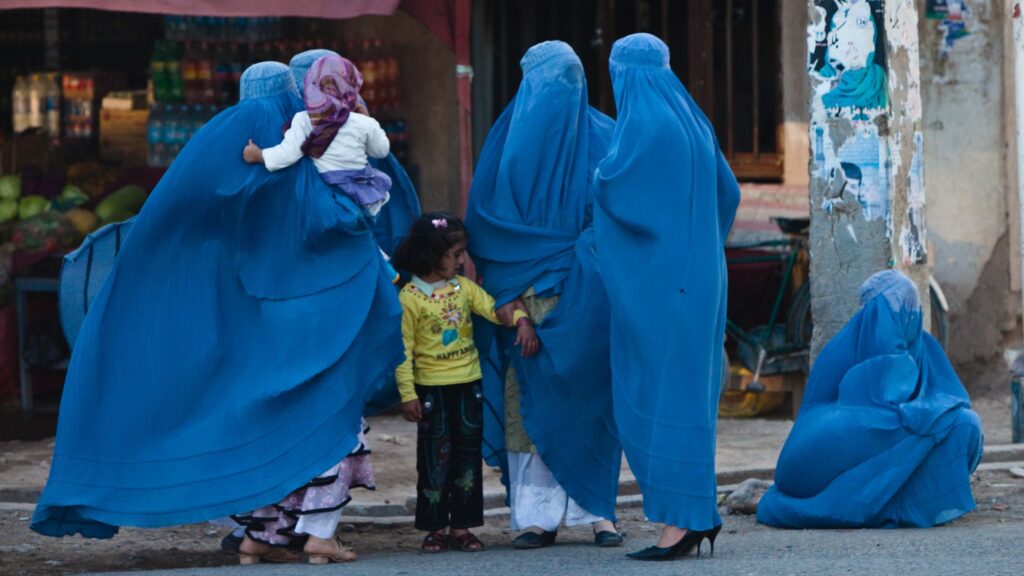
Since returning to power, the Taliban have steadily stripped away women’s rights from almost every sphere of public life. The movement has barred girls from secondary schools and universities and pushed women out of most jobs. It also imposed strict rules governing how they dress, travel and appear in public.
Its crackdown reaches far beyond women. Human rights groups accuse the Taliban of targeting journalists, activists, government critics and people linked to Afghanistan’s former Western-backed administration.
The backdrop is a country already deep in crisis. According to the UN World Food Programme, more than 17 million Afghans—roughly one-third of the population—face food insecurity. At the same time, Afghanistan is absorbing tens of thousands of returnees from Iran and Pakistan, placing further strain on an already fragile situation.