A controversial project in Albania’s protected Vjosa-Narta coastal area linked to Jared Kushner could affect the country’s journey towards EU membership. The scheme has already triggered mass protests and drawn a warning from the European Commission.
The European Commission has warned Albania that the planned project could jeopardise its commitments to EU accession‚ particularly in the area of environmental compliance and public consultation. Guillaume Mercier spokesperson for enlargement‚ confirmed that the Commission already expressed concerns with the Albanian Minister of the Environment Sofjan Jaupaj about the potential shortcomings․
The Commission did not clarify whether the project would already be in breach of Albania’s accession requirements. The minister, however, had promised to halt works and carry out an environmental impact assessment․
The dispute concerns a luxury real estate development planned in the Vjosa-Narta protected landscape on Albania’s southern coast. The project is linked to Jared Kushner, the husband of US President Donald Trump’ daughter Ivanka.
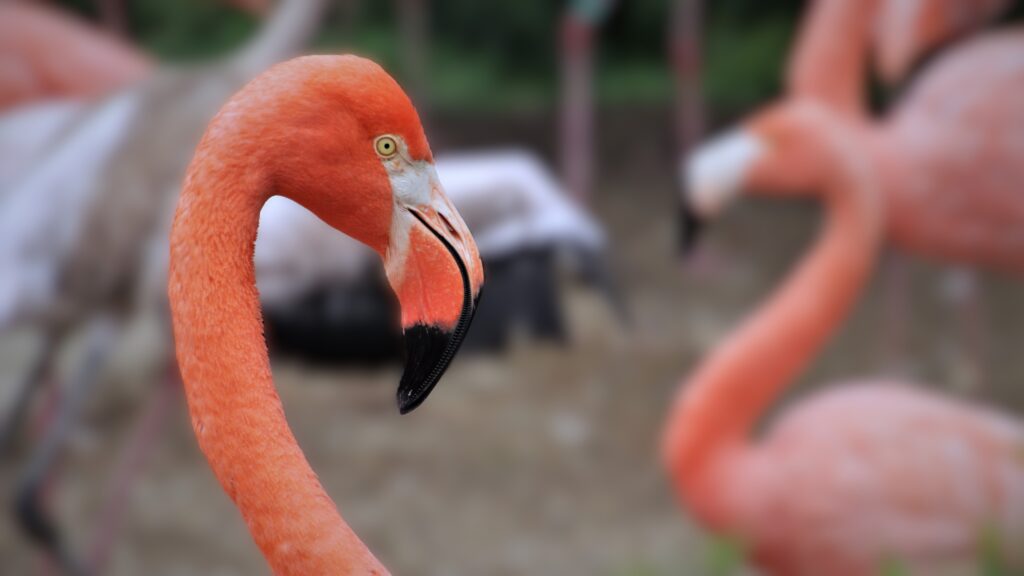
The Narta lagoon is one of Albania’s most important wetland ecosystems and a key stopover site for migratory birds travelling between Europe and Africa. The protected area hosts more than 200 bird species, including greater flamingos and Dalmatian pelicans, while conservation groups also point to the presence of species such as loggerhead sea turtles and Mediterranean monk seals.
Protests against the development have entered their second week, with demonstrators raising concerns over environmental protection, transparency and public consultation. The project is also subject to a criminal investigation by Albania’s Special Structure against Corruption and Organized Crime (SPAK)‚ which according to the Commission goes beyond environmental impacts related to the project․
Chapter 27 and accession benchmarks
The Commission acknowledged the concerns expressed in the area of Chapter 27 of Albania’s EU accession negotiations, which covers environment and climate change. For that chapter to be closed‚ Albania will have to align environmental legislation with standards set by EU Birds and Habitats Directives․
Member states must be able to manage future Natura 2000 sites‚ to define the conservation objectives‚ and to protect the habitats and species. The Commission also noted that Albania was to repeal its 2015 calculated investments law as part of the closing conditions of Chapter 27․
The Commission said that‚ in its enlargement report‚ it had already warned that repeated renewals of the planned investment law could have adverse effects on the environment‚ including on protected areas. Mr Mercier stated that Albania should refrain from steps that could weaken the fulfillment of the closing benchmark‚ and expected the authorities to act without delay․
Brussels avoids a definitive verdict
Despite the warning, the Commission did not say directly whether proceeding with the development would prevent Albania from closing Chapter 27. When asked whether Albania could close the chapter‚ the spokesperson reiterated that the country should avoid actions that could weaken the benchmark․
The Commission dismissed concerns as to whether the matter would also be taken to the political level‚ including possibly to Albania’s Prime Minister Edi Rama․ Mr Rama defended the project‚ and stated that it would go ahead‚ despite the environment minister reportedly saying construction has been suspended․
A key point of contention between the two positions is whether suspension is to be permanent‚ or whether the government intends to amend the project following the results of the environmental assessment․
The Commission reiterated that a halt to construction and an environmental impact assessment had to be carried out․ “Our expectation here is for this assessment to be made in a transparent way‚”Mr Mercier added.
Although the reply focuses on the environmental impact assessment as the Commission’s immediate answer‚ it does not touch upon other potential safeguards‚ such as regarding access to documents‚ investor selection‚ land use planning or public consultation for calculated infrastructure projects․
A test of Albania’s accession credibility
The dispute shows that environmental compliance is not only an exercise of technical adoption of legal acts. Candidate countries have to prove that EU standards are also effectively applied‚ especially in areas like protected areas and politically sensitive investments․
For Albania‚ the issue is of particular relevance as the Commission directly linked the project with Chapter 27 and the related closing benchmarks for the country․