Europe’s farms are no longer being treated only as a food story. They are now a matter of security too. A new EU livestock strategy and a protein action plan aim to make Europe’s agri-food system more resilient‚ more competitive and less dependent on imports.
The package, adopted by the European Commission, outlines the EU’s long term vision for farming and food at a time when livestock farmers face rising costs, climate change, animal disease and new welfare and sustainability demands.
Raffaele Fitto, Executive Vice-President for Cohesion and Reform, called the livestock farms a key component of the European economic and territorial fabric. “Livestock is not only about agriculture, it is about competitiveness, it is about food security, it is about our territories, and it is about Europe’s future,” he said.
Mr Fitto described the plan as realistic: it would not pit producers‚ consumers and environmental protection against each other. He argued that livestock farming is tied to place‚ whereas farmers themselves cannot move their land. He stated livestock products are “the expression of a territory‚ of its history‚ of its culture”․
Farmers face heat‚ expense and illness challenges
Agriculture Commissioner Christophe Hansen highlighted the impact of the heatwave hitting European farms. He said that crops were disappearing‚ animals were under stress and farmers were working in difficult conditions. The livestock strategy‚ he noted‚ would give farmers the confidence to invest․
Our approach must be based on the very simple principle that prevention is always better than cure. — Olivér Várhelyi, Commissioner for Health and Animal Welfare
Nevertheless‚ it remains a major part of the EU economy‚ with Mr Hansen estimating that it employs seven million people‚ generates a turnover of €400 billion and contributes to an annual trade surplus of €37 billion for the EU. However‚ he warned that the model is under strain․
“Europe’s livestock sector is a success story, but today it is a success story at risk,” he said, adding that unused land in areas close to the eastern border of the EU could also be dangerous․
Europe wants more home grown protein
One of the package’s key components is the protein supplementation plan. The Commission is pushing the EU to reduce its reliance on imported feed. Hansen said that by 2035‚ 35 per cent of the protein required for feed must be home-grown‚ up from the current figure of 25 per cent. He called it the “35 by 35” objective․
The plan will promote more EU production of sustainable protein and support the use of livestock proteins alongside plant proteins. According to Hansen‚ the two can contribute to more regenerative farming systems‚ healthy soils‚ and greater calculated autonomy․
Animal welfare regulations to be reviewed
Health and Animal Welfare Commissioner Olivér Várhelyi focused on disease prevention and animal welfare. He stated that healthy animals were critical to a resilient sector. Animal diseases, he warned, are occurring more frequently and are harder to predict. The past few years have seen the EU experiencing outbreaks of diseases previously rare in Europe.
Mr Várhelyi stated that the bloc must advance preparedness‚ surveillance and early response. “Our approach must be based on the very simple principle that prevention is always better than cure,” he concluded.
The Commission would like to see vaccination play a greater role‚ and has asked the European Food Safety Authority to review both the disease categories‚ and how vaccination can be applied․
Cage phase out on the table
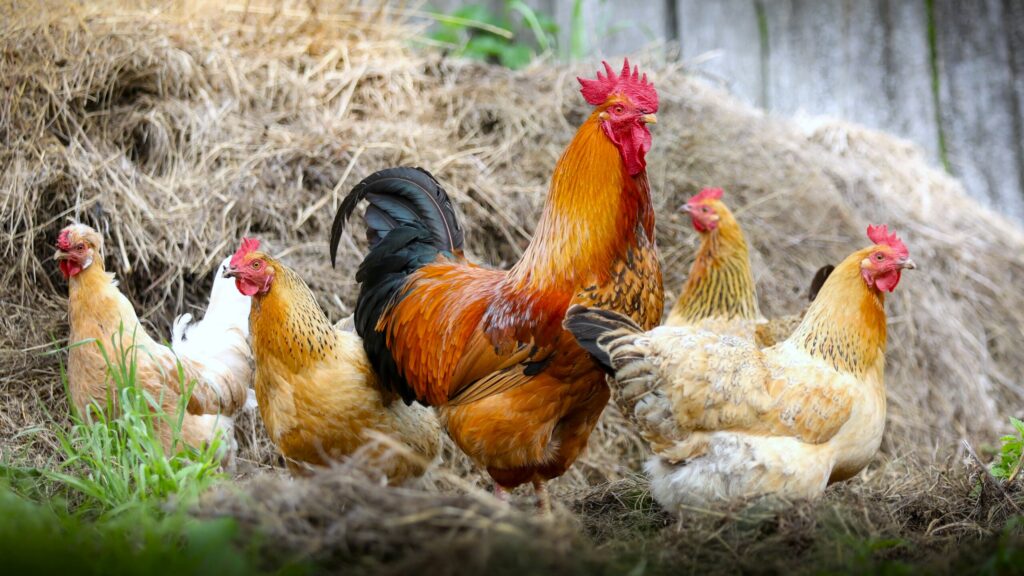
The Commission is also planning a revision of EU animal welfare law. It will submit a proposal on laying hens and broilers by the end of the year‚ and a proposal on pigs by the end of next year. The aim is to follow up the European Citizens’ Initiative End the Cage․
The Commission also intends to propose a ban on the killing of day old male chicks․ Mr Várhelyi said the transition has to be practical‚ and time must be given to the farmers‚ adding that financial support‚ including from the European Investment Bank‚ would be needed. He also stated that imported goods must be of the same welfare standards as those produced in the EU․
A strategy built on balance
The Commission is trying to strike a careful balance. It wants lower emissions, stronger welfare rules and better environmental protection. But it also wants farmers to remain profitable. According to Mr Hansen‚ the EU livestock sector is among the most efficient in the world and future reductions may be possible through policy‚ feeding strategies‚ genetics‚ technology and research․
As part of its work‚ the Commission will also make recommendations on the Common Agricultural Policy (CAP) to help member states address sectors with high livestock density. The Commission also wants to increase demand for quality EU products.
Mr Hansen pointed to public procurement, school canteens and the EU school scheme. He said that such tools can help raise awareness and encourage the consuming of sustainable high-quality European food. But he also cautioned that the Commission is not trying to prescribe diets. Instead‚ he said, the aim is to promote choice․
Rural Europe at stake
The livestock strategy is framed as an agricultural policy. But its message goes further. Brussels also links livestock to rural livelihoods‚ food security‚ animal health and welfare and the EU’s planned autonomy․
The plan will be an early test of whether the EU can transform the sector without hollowing out territories dependent on it. Europe wants farms to be greener, but it also wants farmers to stay in business.