Fertiliser prices are squeezing Europe’s farms just as harvest approaches, and shoppers could soon feel it at the till. Brussels is fast-tracking aid to keep food prices in check.
The Council od the EU formally adopted a regulation on Monday. It marks the final step in a package of measures to help farmers cope with soaring fertiliser and other input costs. The European Commission proposed the package last month, responding to the impact of the Middle East crisis on agricultural markets. The regulation aims to ease farmers’ liquidity pressure before rising costs hit production, harvests and food supplies across the EU.
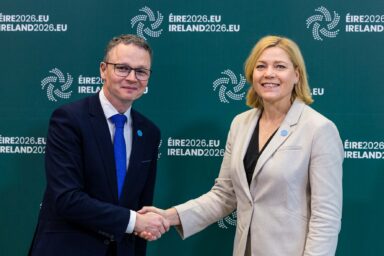
Martin Heydon, Minister for Agriculture, Food and the Marine of Ireland, welcomed the move. “Recent global supply chain disruptions and increased fertiliser prices have put strain on our agrifood sector,” he said. “Today’s decision demonstrates that the European Union is determined to respond swiftly and decisively to support European farmers and our food security.”
The new rules also amend the EU’s Common Agricultural Policy (CAP), the bloc’s main farming subsidy scheme. They give national governments more flexibility amid the fertiliser crisis, so member states can provide urgent support to the farmers hit hardest by rising costs. The tools include a new liquidity instrument under rural development funds, the option to pay direct payments earlier, and the possibility of adjusting 2027 direct payment allocations to reflect each country’s needs.
A new liquidity scheme
The European Agricultural Fund for Rural Development (EAFRD) can co-finance the new liquidity scheme at up to 65 per cent. The scheme can also draw on unspent EU rural development money that would otherwise be lost.
Member states can also add up to an additional 200 per cent in national support, giving governments more room to respond to the scale of the crisis in their own agricultural sectors. To simplify delivery and reduce bureaucracy, support can also be paid as a flat rate per hectare and implemented through national CAP Strategic Plans. This means farmers can be supported through existing CAP structures rather than through a new system.
Earlier payments and more flexibility
The regulation also allows member states to pay direct payments to farmers earlier than usual. This addresses the cash-flow problems facing farmers, who must buy fertilisers and other inputs before the harvest brings in any income.
Governments will also be able to adjust direct payment allocations for 2027. This lets them better reflect national situations and the varying impact of fertiliser price rises across member states.
The Council says the regulation will also encourage more sustainable farming practices that reduce and optimise fertiliser use, including a shift towards bio-based fertilisers. This links the emergency support to the EU’s longer-term goal of making agriculture more economically and environmentally resilient. The package also includes an additional €300m from the 2026 EU budget for the agricultural reserve.
Food security in focus
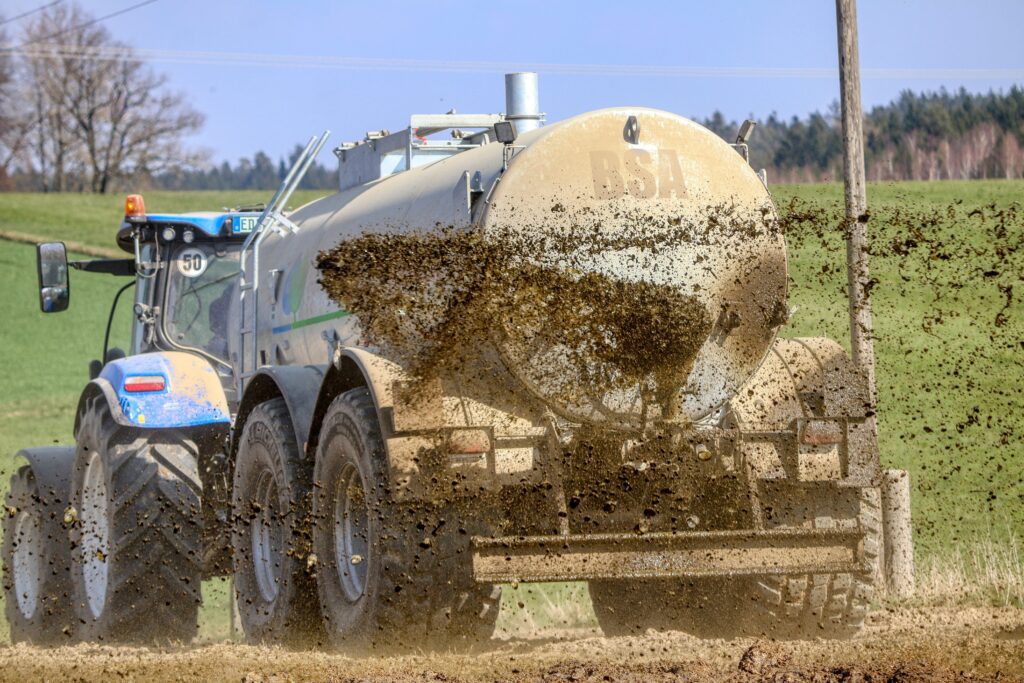
Fertilisers are an essential input in modern commercial crop production. High prices reduce their use, lowering yields and quality. That hits farm incomes first, and can then hit consumers too, as food supplies shrink and prices rise.
Today’s decision demonstrates that the European Union is determined to respond swiftly and decisively to support European farmers and our food security.
— Martin Heydon, Minister for Agriculture, Food and the Marine of Ireland
The Council’s move shows just how quickly the price of agricultural inputs can become a pressing issue. What began as a fertiliser price shock has grown into a wider question about food security, supply chains and Europe’s dependence on imported inputs. Geopolitical instability triggered the shock, and it now shapes debate on the sector’s resilience. With the Council’s adoption, the legislative process is complete. The regulation will enter into force the day after the Official Journal publishes it.