Ship 10,000 tonnes of steel into the EU today and the carbon bill runs to around €66k. Wait until the levy reaches full strength in 2034, and the same shipment would cost over €2.6m at today’s price. That gap between today and tomorrow is exactly why the US ambassador calls Brussels’ carbon levy a tariff in disguise.
Words like that land hard in Brussels. Andrew Puzder wrote them in an opinion piece for the Financial Times on 12 August. The US ambassador to the EU—and a Trump appointee—argued that the bloc’s carbon border charge is nothing more than a tariff. It just comes dressed up as environmental policy, he said. “A tariff is a tariff even by a different name,” he wrote. He compared the mechanism directly to American duties on steel and aluminium. Brussels has, after all, spent years condemning those duties as protectionist.
The jab touched a nerve. It flips the story Brussels has told for years. Officials insist CBAM does the opposite of shielding EU industry unfairly. Instead, it charges importers only for the carbon a product actually generated. That levels a playing field which already tilts against European manufacturers, since they already pay for their own carbon footprint at home.
A climate measure, not a tariff
Louise Bogey, dismissed the parallel at today’s midday briefing. The Commission’s spokesperson for agriculture and tax matters said that CBAM applies equally to all third countries. It is based on verified emissions, not country of origin. As a result, low-carbon goods face little or no charge under the scheme. That is the opposite of how a conventional tariff works.
Ms Bogey also stressed that CBAM avoids double taxation. Say an exporter has already paid a carbon price at home for the same emissions. That amount then gets deducted from what it owes under CBAM. So, a carbon price is never paid twice for the same tonne of CO2.
You might be interested
The bill still to come
The clash lands awkwardly, too, given last year’s truce. Brussels and Washington struck a wider transatlantic trade deal in August 2025. In it, Brussels promised flexibility on how it applies the carbon levy to American exports. Washington, in turn, agreed to cap tariffs on most EU goods at 15 per cent.
The mechanism itself entered its definitive phase on 1 January. Imports of steel, aluminium, cement, fertilisers, electricity, and hydrogen already generate a bill, even though the first certificates go on sale only in February 2027. For now, though, the actual charge stays modest. Only 2.5 per cent of a shipment’s embedded emissions require certificates in 2026, and that share will climb every year until it reaches 100 per cent in 2034.
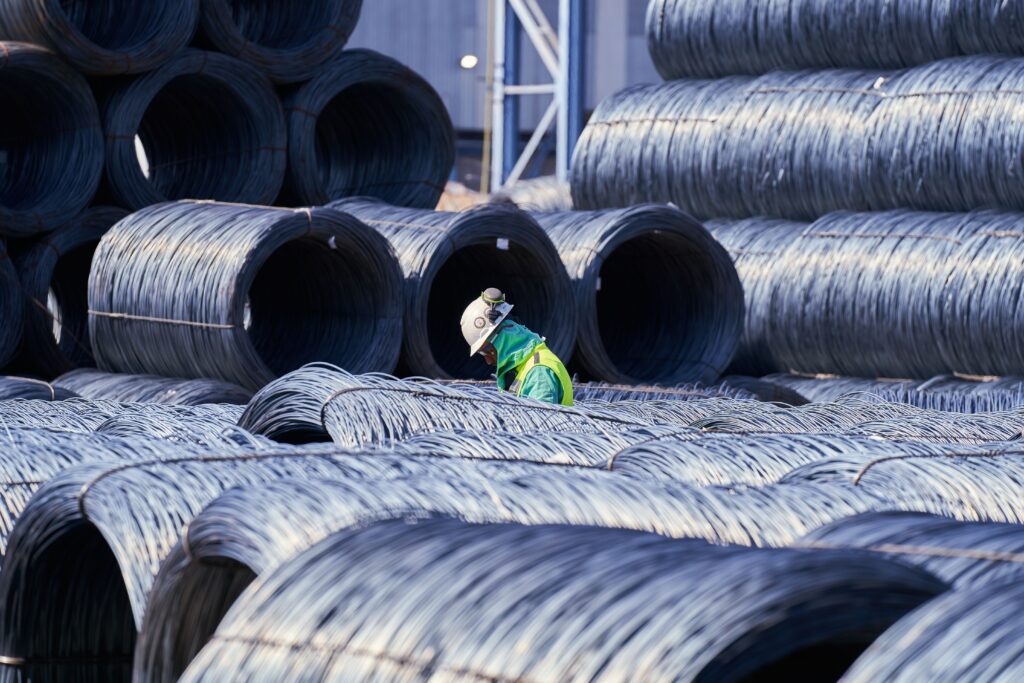
Take, for example, a European workshop importing 10,000 tonnes of high emission steel this year. At current prices, it would owe around €66,000 in CBAM certificates. Import the same shipment once the phase in is complete, however, and the bill would run past €2.6m, assuming prices stay where they are today. That current price stands at €75.28 per tonne of CO2, the official Q2 2026 rate set by the Commission. It sits close, in fact, to the €80 figure Mr Puzder cited in his op-ed as evidence of the levy’s real world bite.
Same fight, new front
Today’s exchange fits a broader pattern. Brussels has faced similar accusations from Washington before. Its Methane Regulation and corporate due diligence rules have drawn the same complaint, bundled together in earlier letters as barriers to American energy exports.
A tariff is a tariff even by a different name. — Andrew Puzder, US ambassador to the EU
“We therefore do not agree with comparisons with unilateral tariff measures,” Ms Bogey said. It is a line Brussels has used since CBAM’s earliest drafts. Still, the Commission remains committed to keep engaging with Washington on the mechanism’s implementation, particularly given concerns raised by small and medium sized exporters.
For now, both sides seem to be repeating familiar lines rather than opening a new front. But the price tag on every tonne of imported steel is only set to rise. So the question of what actually counts as a tariff looks unlikely to go away quietly.