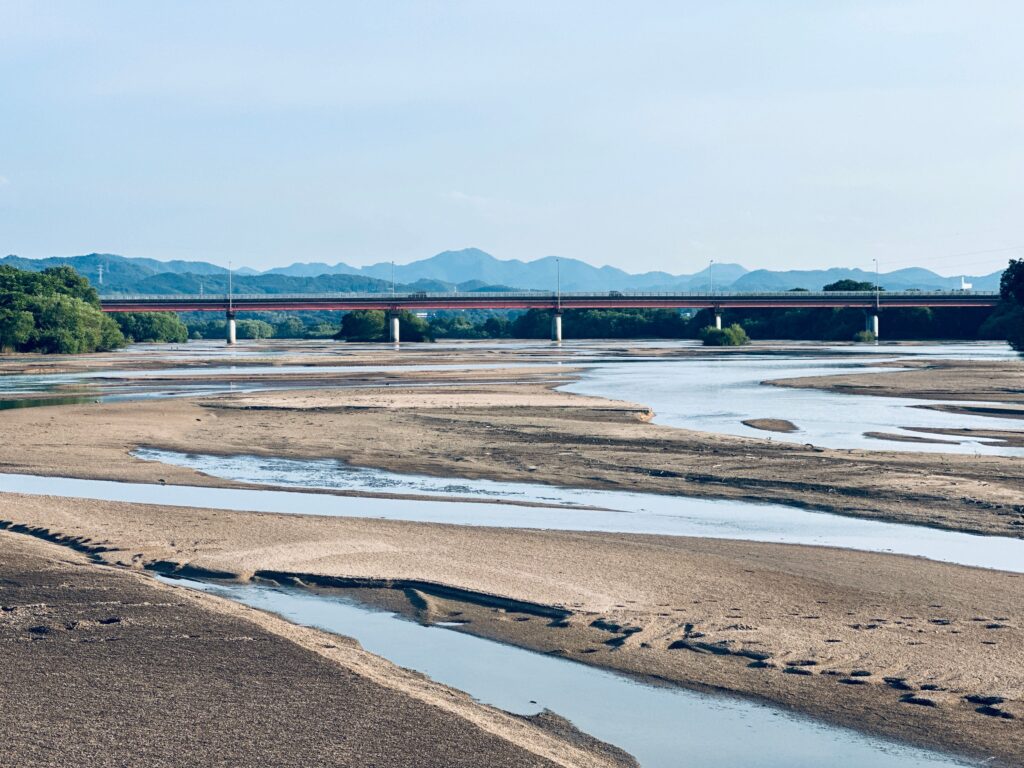
Shipping a tonne of fuel down the Rhine cost €45 in June. Today, it costs €150. One of Europe’s busiest waterways is running dry, and factories across Germany are already scrambling to keep production running as the bill for water scarcity keeps climbing.
The Rhine’s most critical bottleneck, at Kaub, is expected to fall to 18 centimetres on Friday. That would break the previous record of 25 centimetres, set in October 2018. Barges can currently carry only around a fifth of their usual load.
The cause is simple: weeks without rain, combined with high temperatures. Grain, minerals, ores, coal and oil products all move along the Rhine, one of Europe’s most important waterways. When the water disappears, so does the capacity to move any of it.
A new minister’s first test
Germany’s new transport minister, Steffen Bilger, is now facing his first crisis in office. “It’s already a very tense situation with the low water,” he told Reuters TV on Monday. He spoke at an event on Danube expansion works in Bavaria. He has now called industry experts, regional officials and logistics firms to an emergency meeting in Bonn on Thursday.
“We are used to low water situations coming up now and then, but it is very early in the year for a problem like the one we are facing now,” Mr Bilger added. Thursday’s meeting will focus on two things. One is widening shipping channels. The other is retrofitting vessels to operate in shallower water. Longer-term adaptation measures are also on the agenda.
Freight costs on the Rotterdam–Karlsruhe route have already tripled since June. The cause is shrinking cargo capacity. Industry representatives say the effect is already being felt across the supply chain. “The low water levels on the Rhine and many other rivers are massively slowing down freight transport,” Dirk Binding of the German Chamber of Industry and Commerce (DIHK) told Reuters.
Overall, the effects could be strong enough to dampen gross domestic product by 0.1 to 0.2 per cent in the third quarter.
— Stefan Kooths, Economist, Kiel Institute for the World Economy
Economists expect the disruption to leave a mark on the wider economy, too. “Overall, the effects could be strong enough to dampen gross domestic product by 0.1 to 0.2 per cent in the third quarter,” Kiel Institute economist Stefan Kooths told Reuters.
A problem beyond one river
Germany is not struggling alone. On the Danube, the same drought pushed Hungary’s Paks nuclear plant to the brink of a full shutdown last week; by Tuesday morning it was running at just over 10 per cent capacity, after water levels rose slightly overnight. Romania, meanwhile, remains under a state of energy alert.
Brussels does not consider the timing accidental. As of the weekend, Germany’s Low Water Information System reported that 44 per cent of Rhine measuring points and 78 per cent of Danube measuring points were recording extremely low water. The Commission’s European Water Resilience Strategy, adopted in June last year, was designed with exactly this kind of shock in mind.
For now, the Rhine’s fate depends on rain that has not come. Until it does, German industry will keep paying for every tonne the river can no longer carry.