Six EU countries want to open talks on a common tax on extraordinary profits for oil companies. They are responding to a sharp rise in energy prices driven by supply disruptions and restrictions on oil shipments through the Strait of Hormuz.
In a joint letter, Germany, Spain, Portugal, Italy, Poland and Austria have urged the Irish presidency of the EU Council to put the issue on the agenda of the next meeting of finance ministers (ECOFIN). “We are experiencing one of the biggest supply shocks in decades, and all over the world there is growing discontent about the rise in the cost of living,” the letter says.
Governments across Europe are rightly attentive to developments in energy markets and their impact on households, businesses and the wider economy.
— Irish Presidency of the Council of the EU
Ireland has now confirmed to EU Perspectives that it will consider the request. “Governments across Europe are rightly attentive to developments in energy markets and their impact on households, businesses and the wider economy,” a spokesperson for the Irish presidency said.
Irish Tánaiste and Finance Minister Simon Harris will discuss with his European counterparts “the most appropriate way to take forward the issues raised in their letter”, the spokesperson added. The presidency is not yet backing a new tax. But it has confirmed that it will take up the six countries’ request.
Brussels leaves the door open
The European Commission is taking a cautious line. According to Commission spokesperson Maciej Berestecki, windfall taxation falls within the remit of member states. They can introduce such measures under their national fiscal powers, provided they comply with EU law.
“Member states indeed can rely on their national fiscal powers to address social fairness costs. In this context they can adopt windfall profit taxation measures if they wish so, as we mentioned earlier in the AccelerateEU communication on the 22 April,” the spokesperson said.
The Commission will respect member states’ decisions and share examples of good practice from measures already introduced at national level, he said. At the same time, it will assess their impact on the single market.
Why oil companies are making more money
The immediate pressure comes from a sharp rise in oil and petroleum product prices. Restrictions on shipments through the strategic Strait of Hormuz have disrupted global supplies and pushed prices higher.
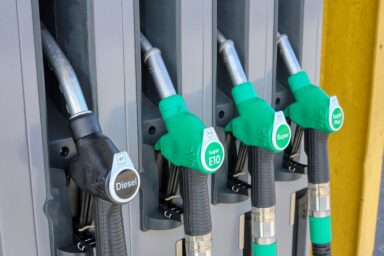
According to figures cited by the ministers, the price of oil has risen by around 25 per cent since the start of the US-Israel conflict with Iran. Over the same period, diesel prices in Europe have climbed by more than 70 per cent, while petrol has risen by around 20 per cent.
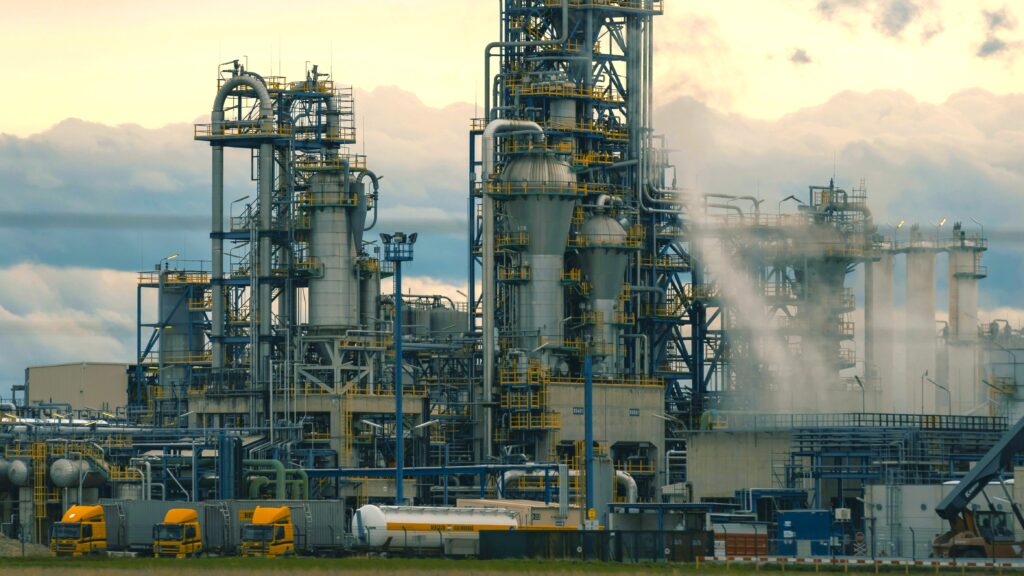
Higher prices also create more room for profits across the oil supply chain. Companies can sell their products for much more while their costs do not rise at the same pace. The ministers point in particular to high profitability among oil companies and rising refinery margins. They say these are increasing faster than the price of crude itself.
Member states indeed can rely on their national fiscal powers to address social fairness costs. In this context they can adopt windfall profit taxation measures if they wish so.
— Maciej Berestecki, European Commission spokesperson
“Government measures taken so far have not been sufficient to reduce or stabilise prices for businesses and citizens on a permanent basis,” the six countries wrote. “This is why we need a common approach, one that ensures that those who are profiting from the crisis do their part to ease the burden on the general public.”
They are also calling for the European Commission to publish the results of its investigation into refinery margins as soon as possible. They want to establish whether some refineries are exploiting the current situation to drive profits up excessively.
The EU has taxed windfall profits before
The EU faced a similar debate during the energy crisis that followed Russia’s invasion of Ukraine. In 2022, member states approved a temporary solidarity contribution for companies active in oil, gas and coal extraction and refining.
The contribution applied to taxable profits more than 20 per cent above the average profits of previous years. Its rate was set at a minimum of 33 per cent. Member states were to use the revenue to support households and businesses hit by high energy prices.
The six countries are now pointing to that experience. But they do not simply want to repeat the 2022 measure. Their letter calls for a closer look at how a potential new European mechanism could also target foreign profits made by multinational oil companies.
Some member states have already started considering similar measures on their own this year. Portugal, for example, approved a proposal in July for a 33 per cent tax on the windfall profits of oil and refining companies for 2026.
The proposal’s backers now want EU finance ministers to begin discussing a bloc-wide approach at their meeting on 18 and 19 September in Dublin.