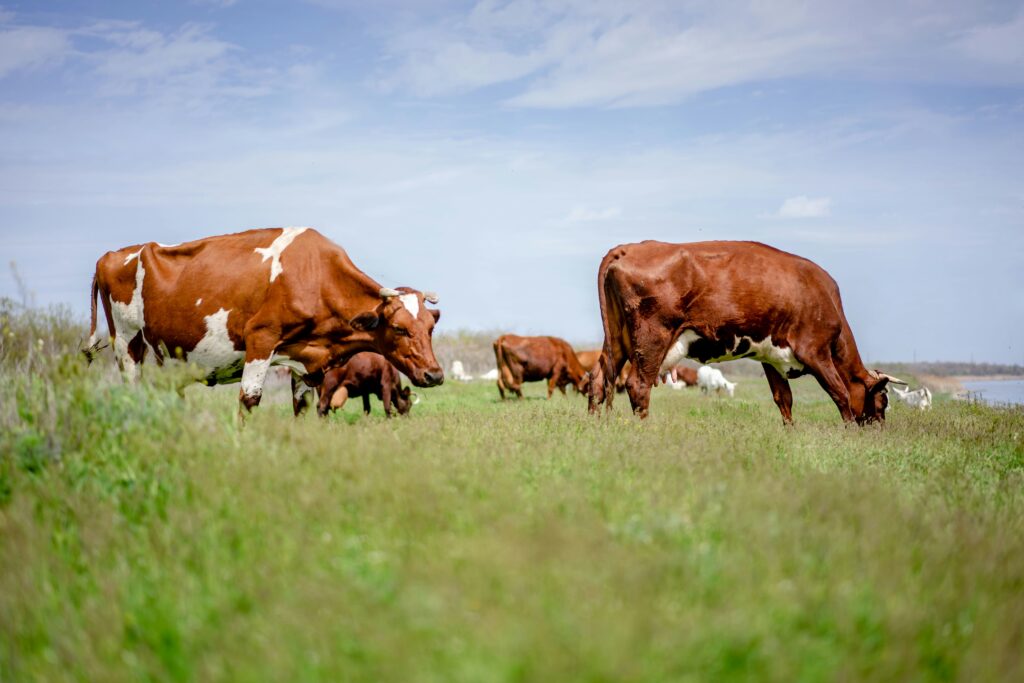
This summer, farmers trucked water uphill to cattle and worked through 48C heat just to keep their herds alive. EU Agriculture Commissioner Christophe Hansen says Europe’s livestock sector will survive the climate shocks already here. But only, he warns, if it becomes far more resilient than it is today.
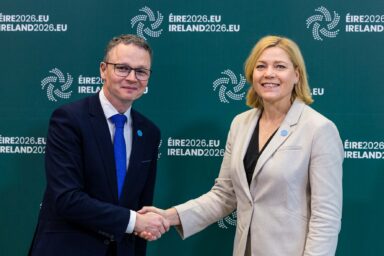
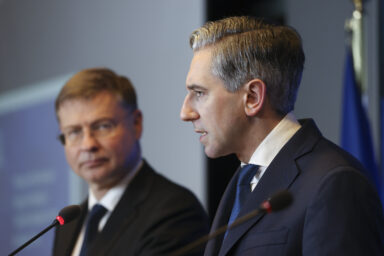
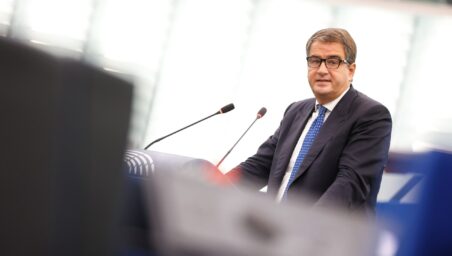
Hansen made the comments on the sidelines of an informal meeting of EU agriculture ministers in Dublin, chaired by Ireland’s Martin Heydon. The sector has a future, the Commissioner said, but only if it becomes more resilient, more viable, and better backed by research and innovation. Livestock, he added, remains central not just to Ireland but to the EU’s food security, rural communities, and farming economy as a whole.
The Dublin meeting also covered sustainable livestock, the EU livestock strategy and the protein action plan. Ministers spent the day visiting three Kildare research sites: the UCD Lyons Farm Estate, the Irish National Stud, and the Irish Cattle Breeding Federation’s test centre. The visits, Heydon said, showed how research and innovation could build “more efficient, competitive, and resilient agricultural systems”.
Drought turns strategy into urgency
The talks were quickly overtaken by a more urgent issue: the severe drought that has hit farmers across Europe this year. Hansen said he had followed the situation “very closely and with great concern” throughout spring and summer. The economic losses, he warned, will be significant, even if their full scope is not yet clear.
One farmer, Hansen said, told him he had worked in a French greenhouse where temperatures hit 48C, doing “five times more work than usually needed” just to save what he could. Elsewhere, water had to be trucked up to mountain pastures, where cattle normally rely on rivers that had simply run dry.
“The Commission stands alongside farmers and alongside member states in responding quickly to this situation,” Hansen said. He wrote to member states this week, reminding them of flexibilities already built into the Common Agricultural Policy (CAP): advance payments to ease liquidity, derogations in exceptional circumstances or natural disasters, and the option to adapt manure-spreading calendars under the nitrates directive to changing climate conditions.
Liquidity first, resilience next
For many farmers, Hansen said, the immediate concern is cash flow. The Commission has already proposed €540m in exceptional aid for those hit by fertiliser and energy prices. Member states can top this up by up to 200 per cent, bringing the total to roughly €1.6bn.
Hansen said the Commission could make the money available quickly, between now and February. Top-ups agreed at national level would still be needed, though. Asked whether the fertiliser package had left nothing for drought assistance, he said the farmers’ crisis was not just about fertiliser, energy or drought. “Nobody will be asking if it is for X or for Y,” he said. “They just want to survive.”
He acknowledged that member states would split the EU’s €450m crisis reserve for next year among themselves. It was, he said, a “drop on warm stone”. That is why, Hansen argued, future policy cannot simply rely on emergency payments. The next CAP, he added, should focus on better irrigation, precision technologies, and improving soils so they can store more water.
Livestock strategy meets methane politics
The Dublin meeting also touched on biogenic methane, one of the most politically sensitive questions in livestock policy. Hansen was asked whether methane from livestock should be treated differently from other greenhouse gases. He said the livestock strand of the European Board on Agriculture and Food will discuss the issue on 16 September.
Hansen avoided prejudging the outcome, saying the discussion should rest on scientific evidence and close cooperation with the sector. Emissions, he noted, vary widely depending on feed, farming systems, and genetics.
“Some people just say a cow is a cow, but that is not necessarily the case,” Hansen said. Such techniques, he added, need to move from isolated examples into wider practice across Europe. Farmers and breeders should deploy these technologies and methods more widely. Doing so, he said, cuts emissions while boosting farm profitability.
Citing Irish research, Heydon said the animal ministers had visited produced 23% less methane and 4% more carcass weight when farmed using different feeding and breeding methods.
A sector under pressure
Hansen also tied the livestock strategy to the wider CAP and budget negotiations. Its aim, he said, is to reconnect consumers with the quality of European production, partly through a Buy European Food campaign and greater reciprocity in production standards.
He pointed to recent EU action on Brazilian beef and maximum residue levels for certain plant protection products as examples of this reciprocity agenda. Hansen wants the future CAP proposal to offer more targeted coupled support to livestock in sensitive areas, such as grass-fed beef in mountain regions or other less-favoured areas.
This matters, he said, because livestock numbers are already falling in Europe even without political intervention. Dublin taught Brussels that the livestock debate is entering a new era: the sector is being asked to cut emissions, rely less on imported feed and fertiliser, retain more water, grow more resilient, and stay profitable, all at once. Yet farmers themselves have a more immediate problem.
The question is not whether livestock has a future in Europe. — Christophe Hansen, European Commissioner for Agriculture and Food
Hansen summed up the dilemma facing Brussels. “The question is not whether livestock has a future in Europe,” he said. “The question is how we ensure that this future is strong, sustainable, and economically viable for farmers and for society.”
They need liquidity now, but they also need a system that can withstand every drought, price shock, or climate shock still to come. That is the difficult balance the EU livestock strategy will have to strike: keeping animal farming in Europe alive while changing it fast enough to survive the conditions Europe is already facing.