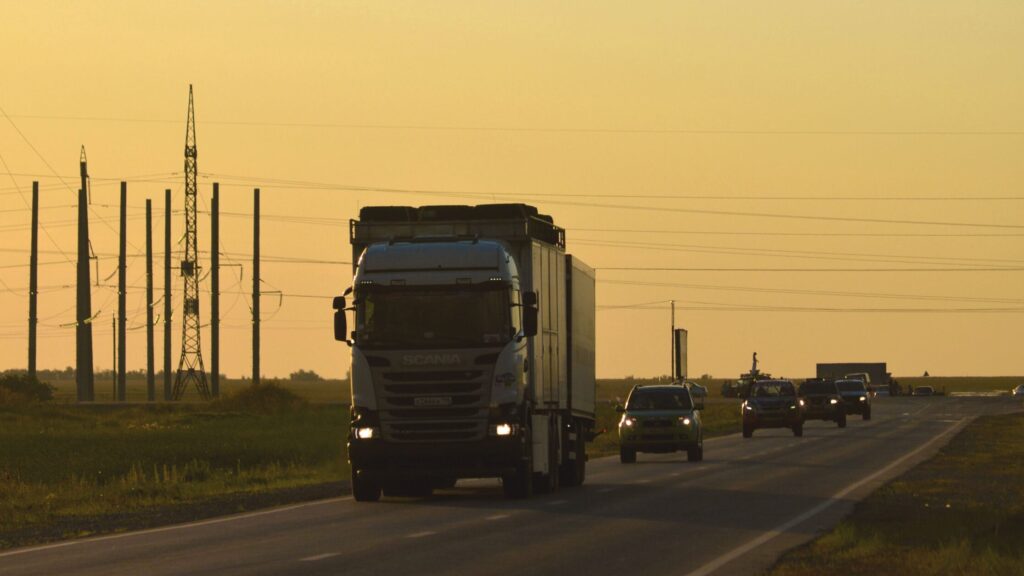
A free pass for zero-emission trucks could continue for another five years in EU countries that choose to exempt them. After that, they could still qualify for a significant discount. Lowering costs is intended to give haulage companies more incentive to go green.
The European Parliament has approved a provisional agreement setting out how zero-emission and low-emission heavy-duty vehicles will be treated under EU road-toll rules. Member states that currently exempt zero-emission vehicles from tolls will be able to keep doing so until June 2031, while low-emission vehicles can qualify for toll discounts of up to 75 per cent until then.
After 2031, the maximum discount will fall to 75 per cent for zero-emission lorries and 50 per cent for low-emission ones. “The principle is clear: Who pollutes less pays less tolls,” rapporteur Matteo Ricci (S&D/ITA) said.
Transport companies hope that lower toll costs will help make the switch to cleaner lorries more affordable. While the impact on hauliers’ operating costs varies significantly from country to country, tolls are estimated to account to around 14 per cent.
Deal avoids vehicle reclassification
Trailers remain one of the unresolved parts of the system. Mr Ricci said that the EU still has “no harmonised strategy” for dealing with trailers under the CO₂ based rules.
The agreement gives the Commission until June 2029 to assess the issue, using evidence from pilot projects. Brussels could then consider further measures if needed. For now, this gives the EU more time to work out a common approach.
Without a deal, member states would also have had to reclassify vehicles, according to Mr Ricci. He said this would have created “a lot of burden for the authorities and the companies”. The agreement avoids those costs and provides a more orderly transition, he added.
How much difference the new rules make in practice will depend largely on how individual countries apply them. For haulage companies operating across several markets, that could mean a patchwork of different toll regimes rather than a single EU-wide approach.