Extra costs for shopping cheap. Europeans buying inexpensive goods from outside the EU could face higher prices from November. Online platforms will formally pay the charge, but they may pass the cost to shoppers through product prices or delivery fees.
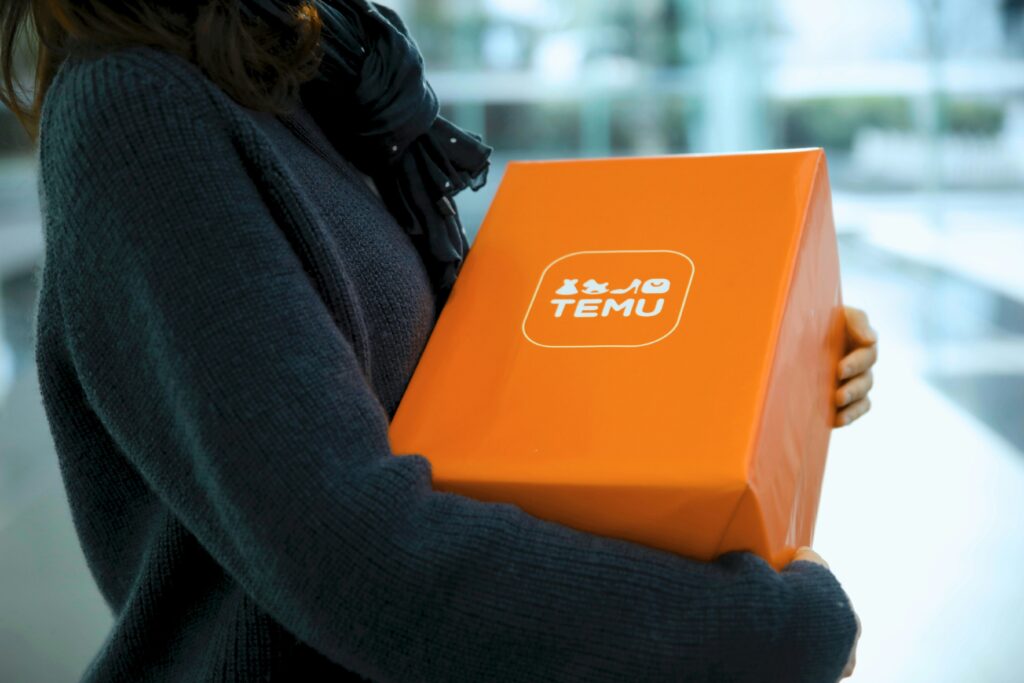
The European Parliament gave its final approval to the EU Customs Code reform on Wednesday. It targets the billions of low-value products delivered directly to European customers by platforms including Temu, Shein and AliExpress.
The new fee will apply to each item bought from a non-EU seller and sent directly to a customer. Member states must begin collecting it by 1 November, although the European Commission has not yet set the amount. It will come on top of the temporary €3 customs duty introduced in July for low-value e-commerce imports.
“This is the biggest reform of European customs since 1968,” Parliament’s lead negotiator Dirk Gotink said. He accused Chinese platforms of overwhelming customs authorities with a “tsunami” of products that avoided charges or failed to meet European standards.
Cheap orders could become more expensive
Platforms or sellers responsible for other customs charges will formally pay the handling fee. Customers should therefore not receive a separate demand for payment from customs authorities when their parcels arrive. However, shoppers may still bear the cost indirectly.
The charge applies to individual items, an order containing several products could therefore generate several fees. The precise effect will depend on the amount set by the Commission and whether platforms absorb part of it. Combined with the existing €3 duty, the additional cost could significantly reduce the savings offered by very cheap products ordered individually from outside Europe.
The reform encourages platforms to import goods in bulk and store them in European warehouses. Products subsequently delivered from within the EU would qualify for a lower handling fee. Customers could consequently see more items shipped from European distribution centres, potentially providing faster delivery and fewer complications at the border.
Approximately 5.8 billion low-value parcels entered the EU in 2025, an increase of 26% in one year. The Commission estimated that 65% were undervalued, potentially allowing sellers to avoid customs charges.
Platforms become responsible for product safety
The reform should also give shoppers clearer protection when products prove dangerous or fail to comply with EU rules. Platforms facilitating direct sales from outside the bloc will become legally responsible importers. They must provide accurate customs information, pay the relevant charges and ensure that products meet European safety standards.
This is the biggest reform of European customs since 1968.
— Dirk Gotink (EPP, NL), Member of EP
Consumer organisations have previously identified dangerous toys, electric heaters, cosmetics and protective equipment sold through major marketplaces. Tests cited by The Guardian found choking hazards, fire risks and products offering inadequate protection. Companies that repeatedly break the rules could face fines ranging from 1% to 6% of the value of goods they imported during the previous year.
“We are finally giving Europe’s 80,000 customs officers the instruments they need to protect consumers and businesses for the decades to come,” said Mr Gotink. A new EU Customs Authority in Lille will coordinate enforcement. An EU-wide data hub will eventually replace at least 111 national customs systems, helping authorities identify unsafe or suspicious shipments before they reach customers.
The Council approved the reform earlier in September, making Parliament’s vote the final legislative step. The handling fee must take effect by November, while the remaining changes will be introduced gradually over the coming years.